History
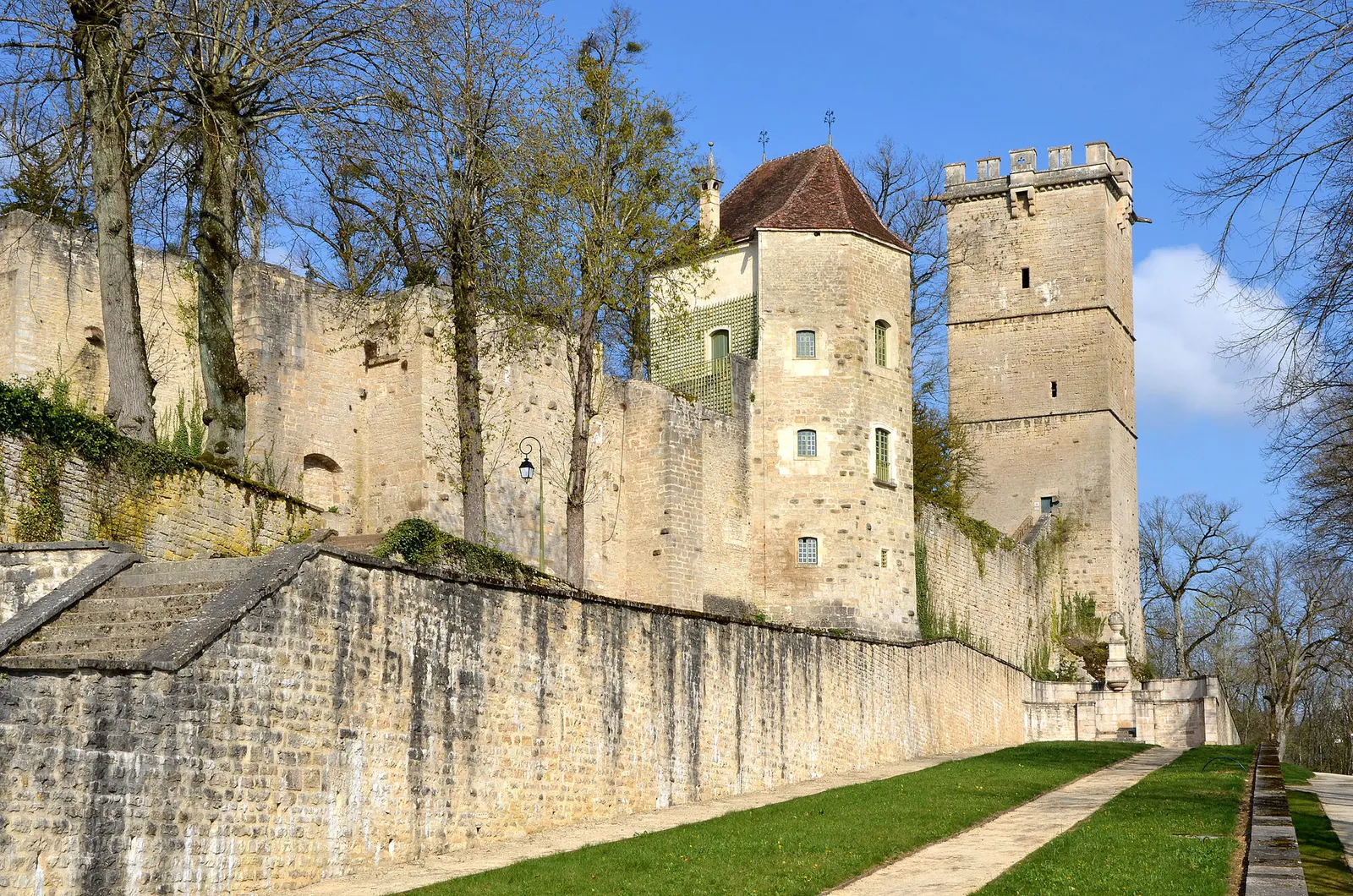
The château was built in the second half of the 16th century for the Chenu family, lords of the area, in the middle of the Wars of Religion. It controlled the Armançon valley on the border between Burgundy and Champagne, and served as a frontier post. Loopholes, arrow slits and crenellations were built into its walls. Its design combines Renaissance refinement with serious defences.
In 1667 Nuits became the property of the barons of Clugny, who kept it until the Revolution. The best known of them, Jean Étienne Bernard de Clugny, who lived from 1729 to 1776, was a senior royal finance official. Sold as national property during the Revolution, the château was bought in the early 19th century by the Marquise de La Guiche. It then passed to the family that still owns it. The whole estate was classified in 2016.
Architecture
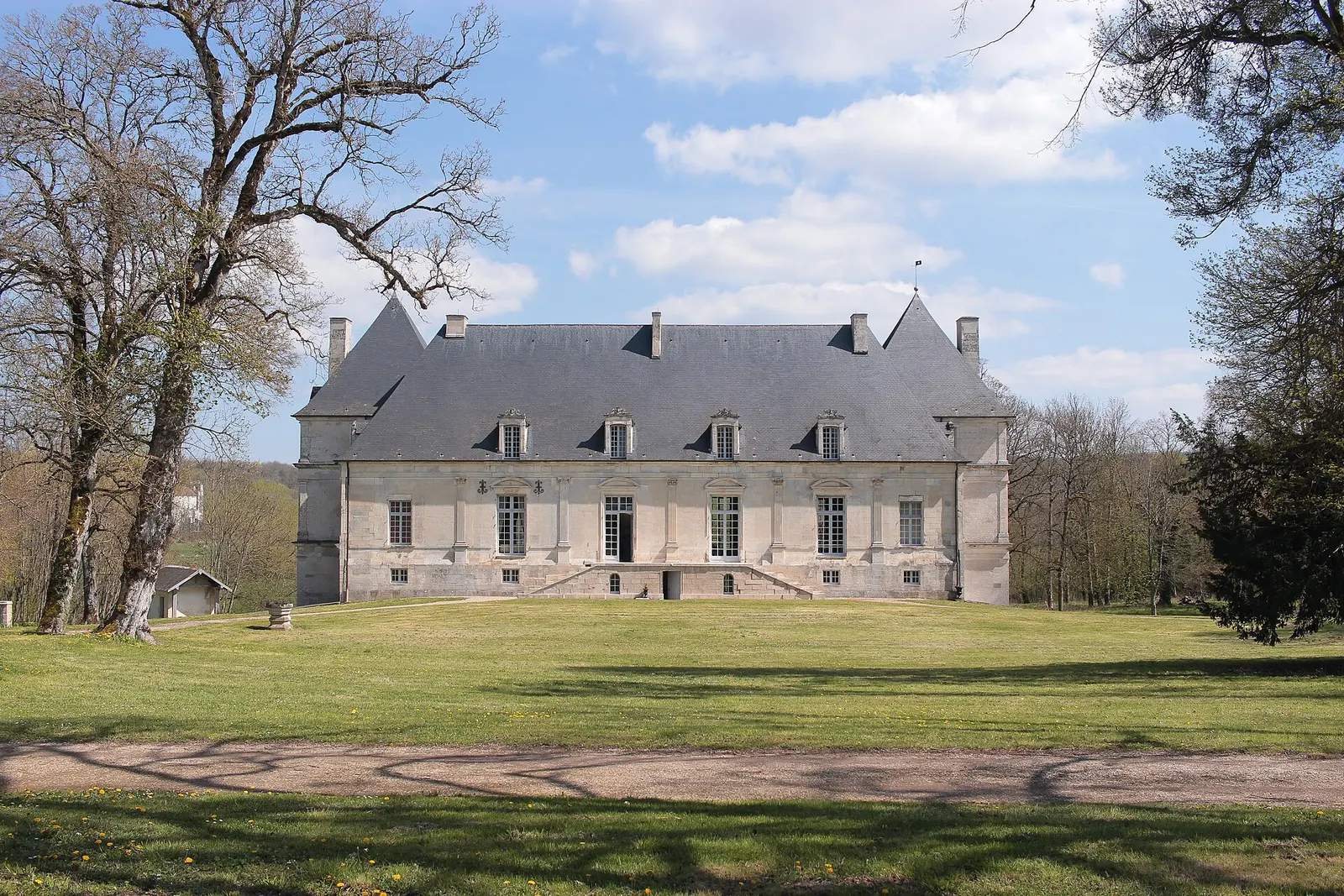
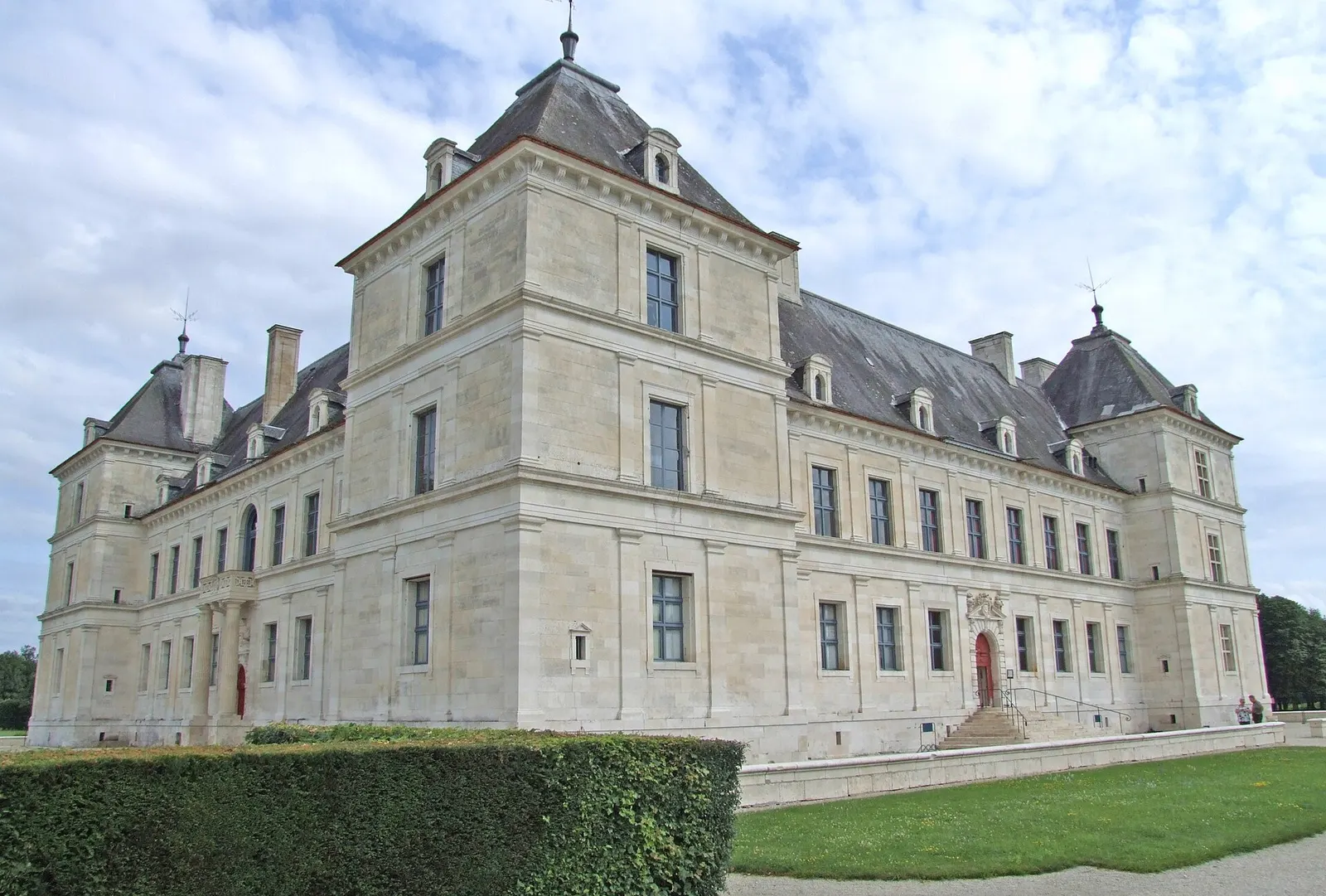
The main building stands on a massive stone base about eight metres high, sloping outwards to resist attack. Two strong square pavilions frame it. The west façade is refined Renaissance work, with fluted pilasters and dormers carved with lions' heads, under a huge roof. Inside, the lower halls are vaulted, many monumental fireplaces survive, and a well supplied water to the guard room. The English-style park was laid out in the early 19th century under Châtelain, a pupil of Berthault.