Beaune
The wine capital of Burgundy, with the Hôtel-Dieu, old ramparts and cellars beneath its streets.
- Wine village
- Your base
- Red and white wines
- 42 premiers crus
€290for a half-day wine tour from Beaune, up to 4 guests
At a glance
- Appellations
- Beaune, Côte de Beaune
- Grapes
- Pinot Noir, Chardonnay
Getting there
Coming by train or plane? Transfers from stations and airports →
About Beaune
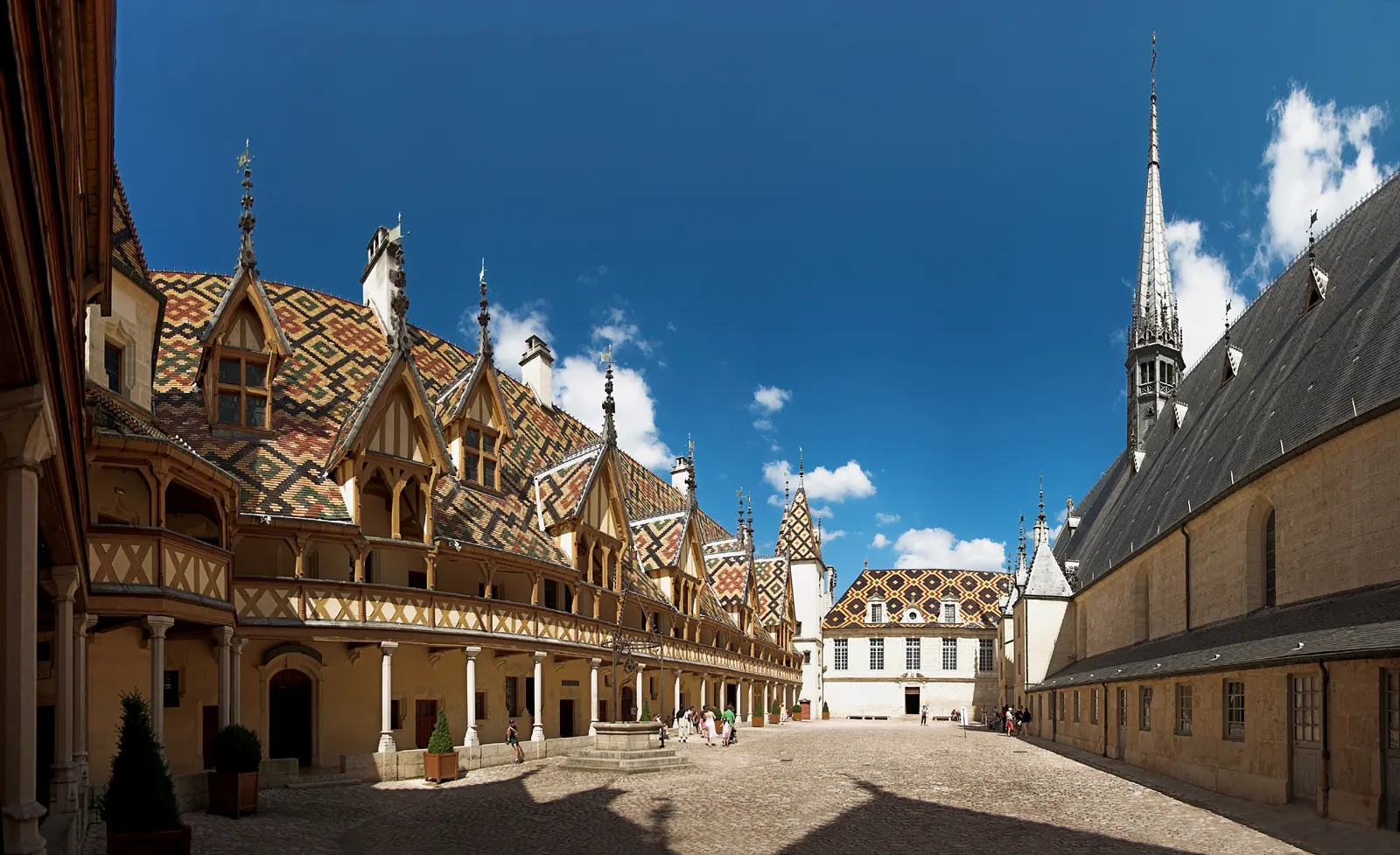
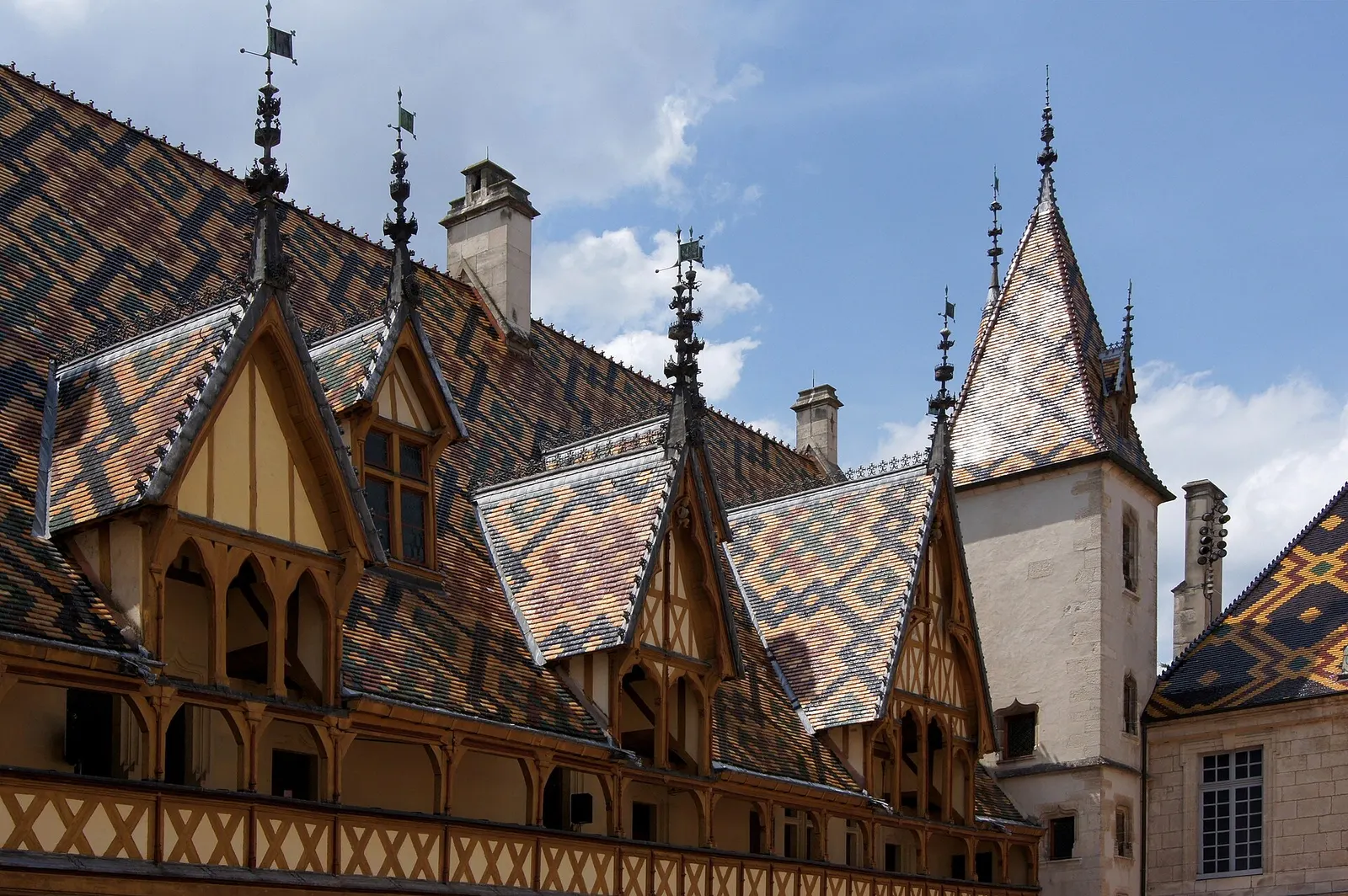
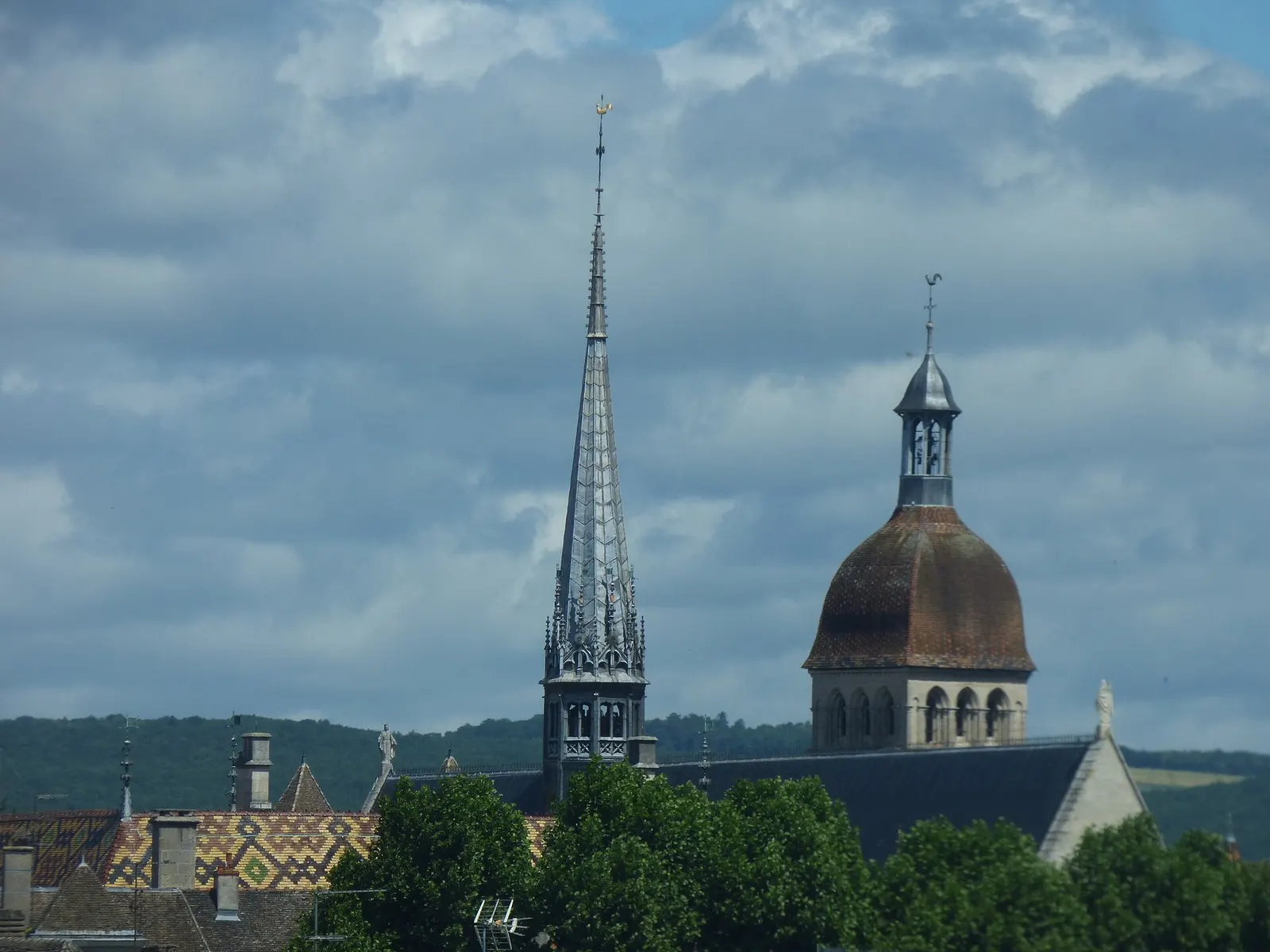
Beaune is the heart of the Côte de Beaune and the natural starting point for a day in the vineyards. Inside its ramparts stand the famous Hôtel-Dieu with its glazed-tile roofs, a Romanesque collegiate church and the cellars of the wine merchants. Around the town lies one of the largest vineyards of the Côte.
The wines
The Beaune appellation covers the slope north and south of the town, with 42 premier cru climats between 220 and 300 metres. Thin brown soils on hard limestone lie at the top, deeper marls at mid-slope, and limestone mixed with clay at the foot. Most wine is red Pinot Noir, bright with black and red fruit, turning to truffle and leather. Reds from north of the town tend to be more powerful. Chardonnay whites are rarer, with almond and white flowers.
History
Beaune began as a small Roman fort and grew under the Dukes of Burgundy, whose red wine was prized from the early Middle Ages. In 1443 Nicolas Rolin, chancellor to the Duke of Burgundy, and his wife Guigone de Salins founded the Hôtel-Dieu, a hospital for the poor. Its great ward, the Grande Salle des Pôvres, opened in 1452 and keeps its original size: 50 metres long and 16 metres high.
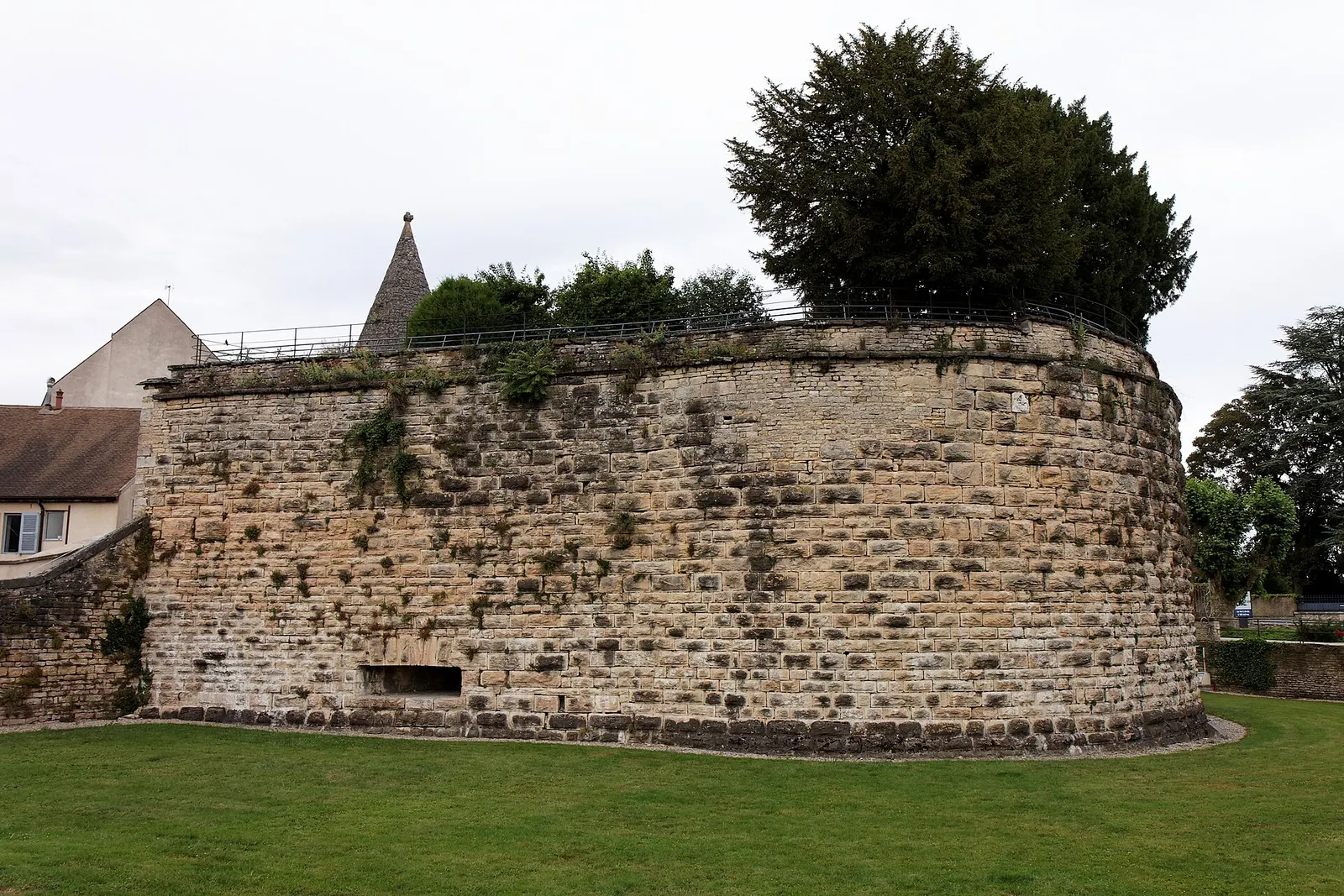
After the death of Charles the Bold in 1477, King Louis XI built a castle here, and massive bastions were added in the 16th and 17th centuries. Today the bastions and the vaulted cellars under the town hold millions of bottles belonging to the négociant houses. The Hospices estate, built up from gifts and legacies, covers about 60 hectares. Its wines have been sold at a charity auction since 1859, now held every third Sunday of November.
Well-known premiers crusLes Grèves · Le Clos des Mouches · Les Bressandes · Les Marconnets · Les Teurons · Clos des Ursules
What to see
Hôtel-Dieu
Founded in 1443, the hospital cared for patients for more than five centuries and is now a museum. Look for the glazed-tile roofs, the great ward and Rogier van der Weyden's Last Judgment.
Collégiale Notre-Dame
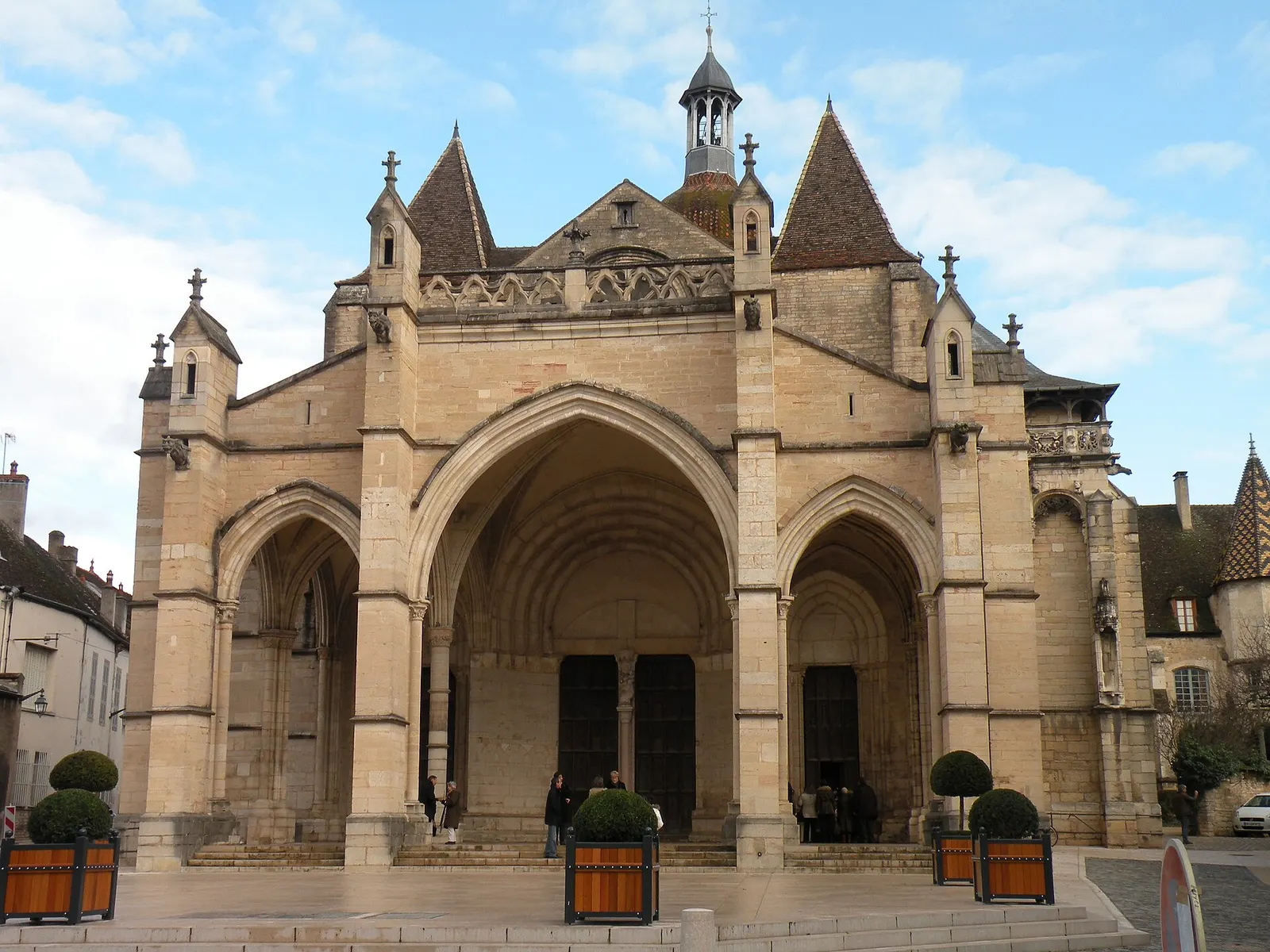
A Romanesque church inspired by Cluny, built mostly in the 12th and 13th centuries. Inside are a 12th-century Black Virgin and tapestries of the Life of the Virgin, usually shown from April to October.
The ramparts walk
A 2.5-kilometre route follows the top of the old walls and bastions around the town centre, with 17 stops explaining its history. Some passages have steps, and several bastions now shelter wine cellars.
Cité des Climats et vins de Bourgogne
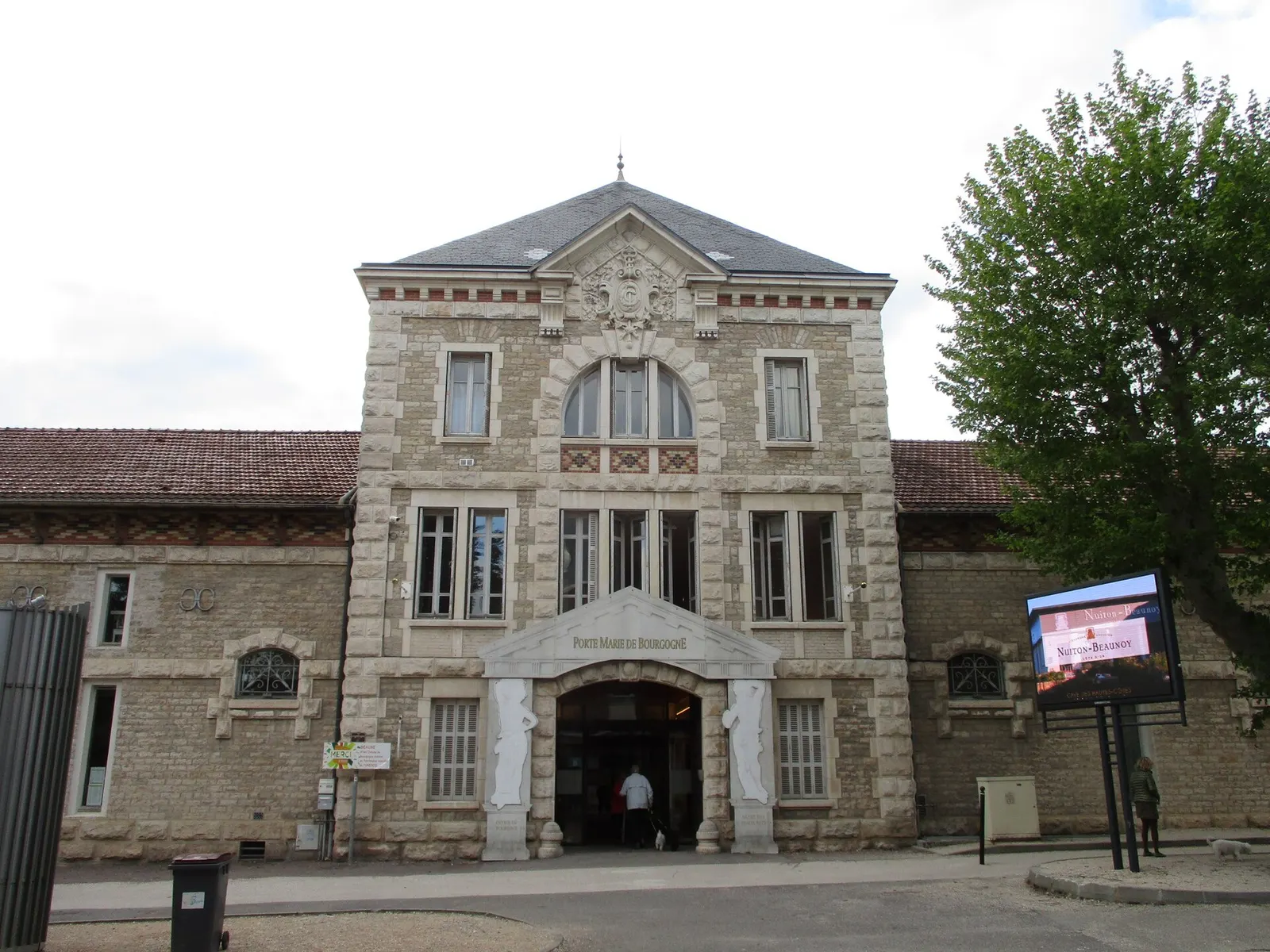
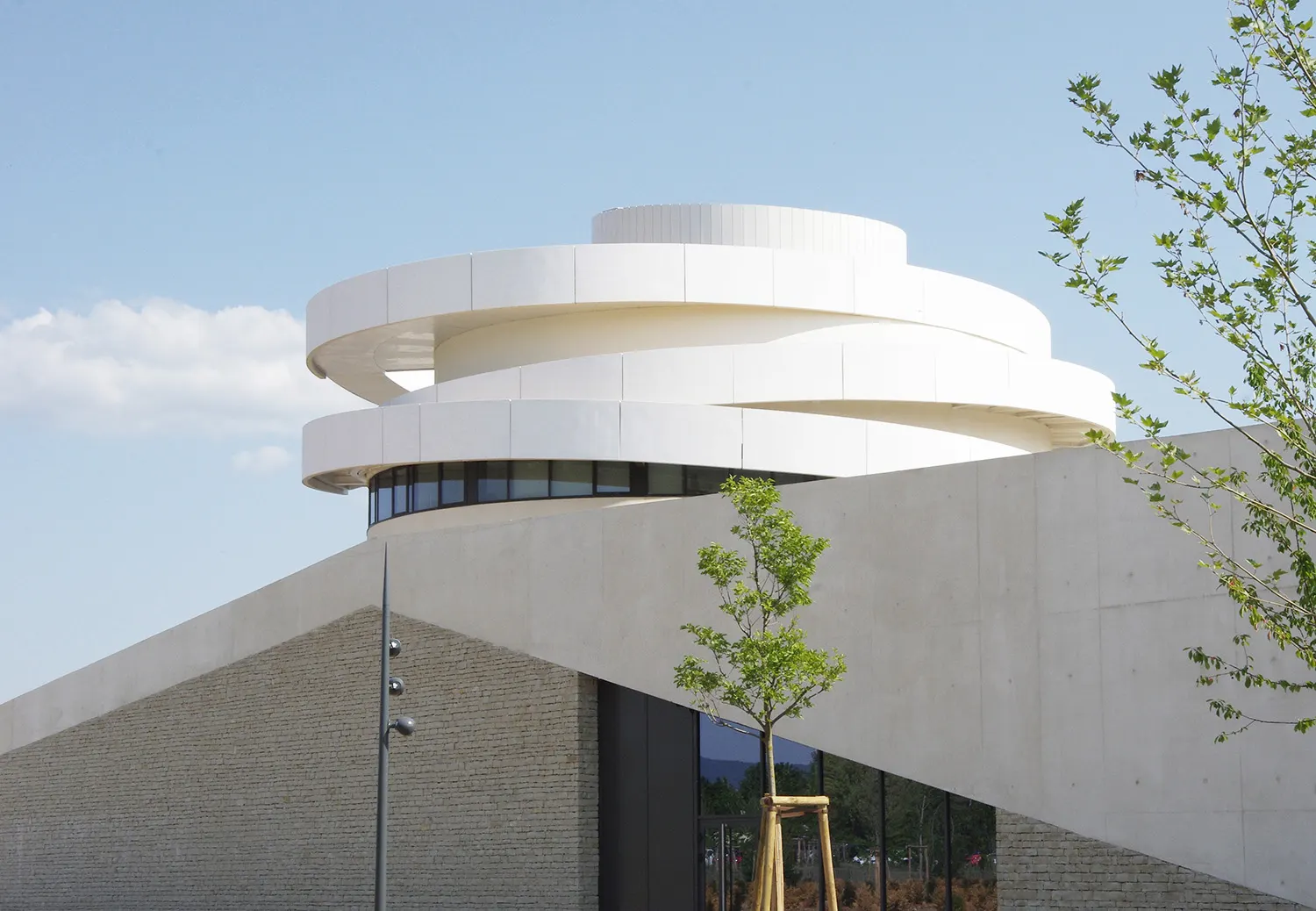
Opened in June 2023 at the entrance to the town, this visitor centre explains the Climats, listed by UNESCO in 2015. Its tower of bright tendrils rises 21 metres, like a vine on its wire.
Tips for your visit
Give Beaune at least half a day, with time for the Hôtel-Dieu and a cellar visit, which is best booked ahead. Pommard and Savigny-lès-Beaune are minutes away. The November auction weekend fills the town, so plan early.
Around here
What to combine with Beaune on the same day, nearest first.
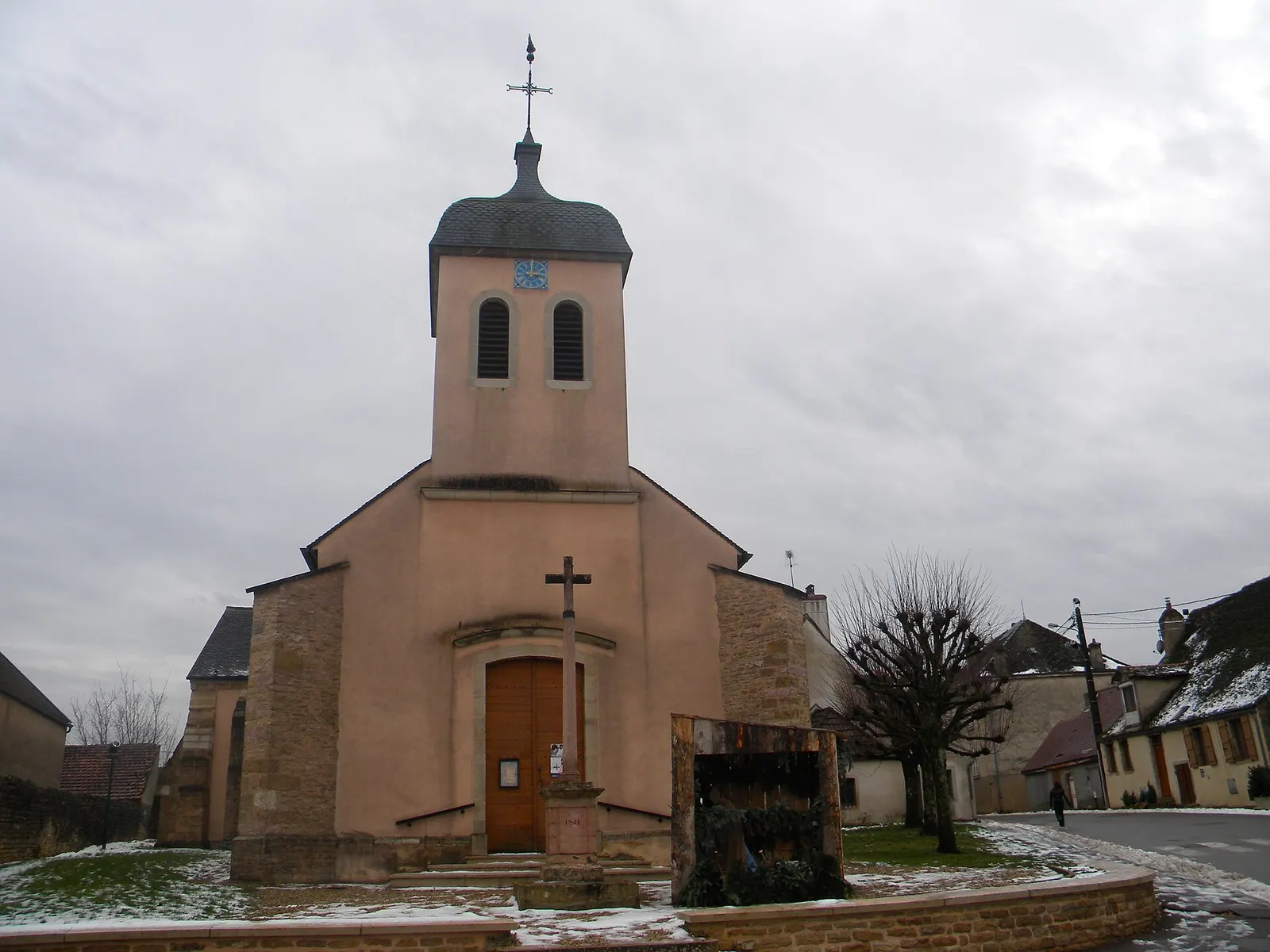
Chorey-lès-Beaune
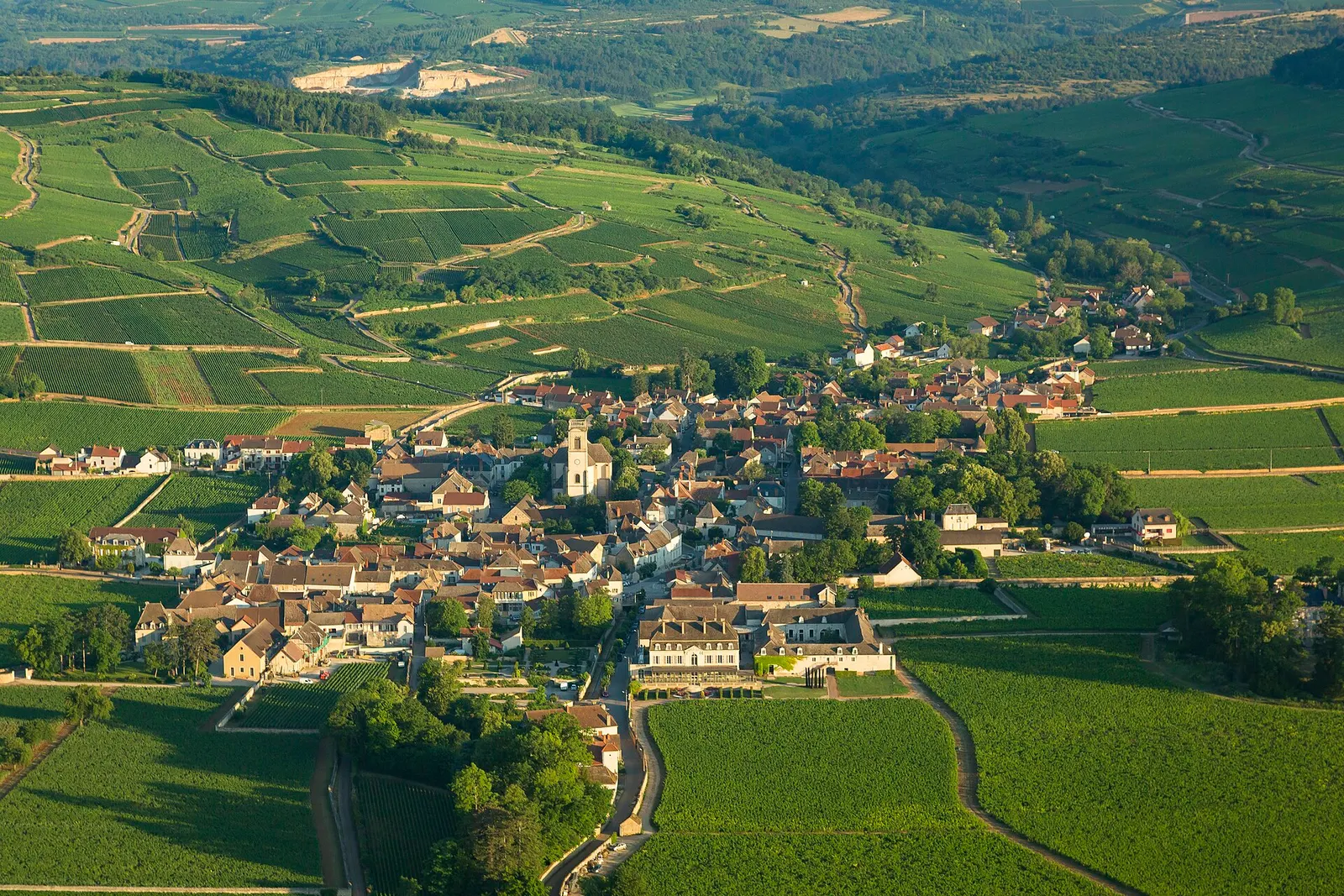
3 km awayPommard
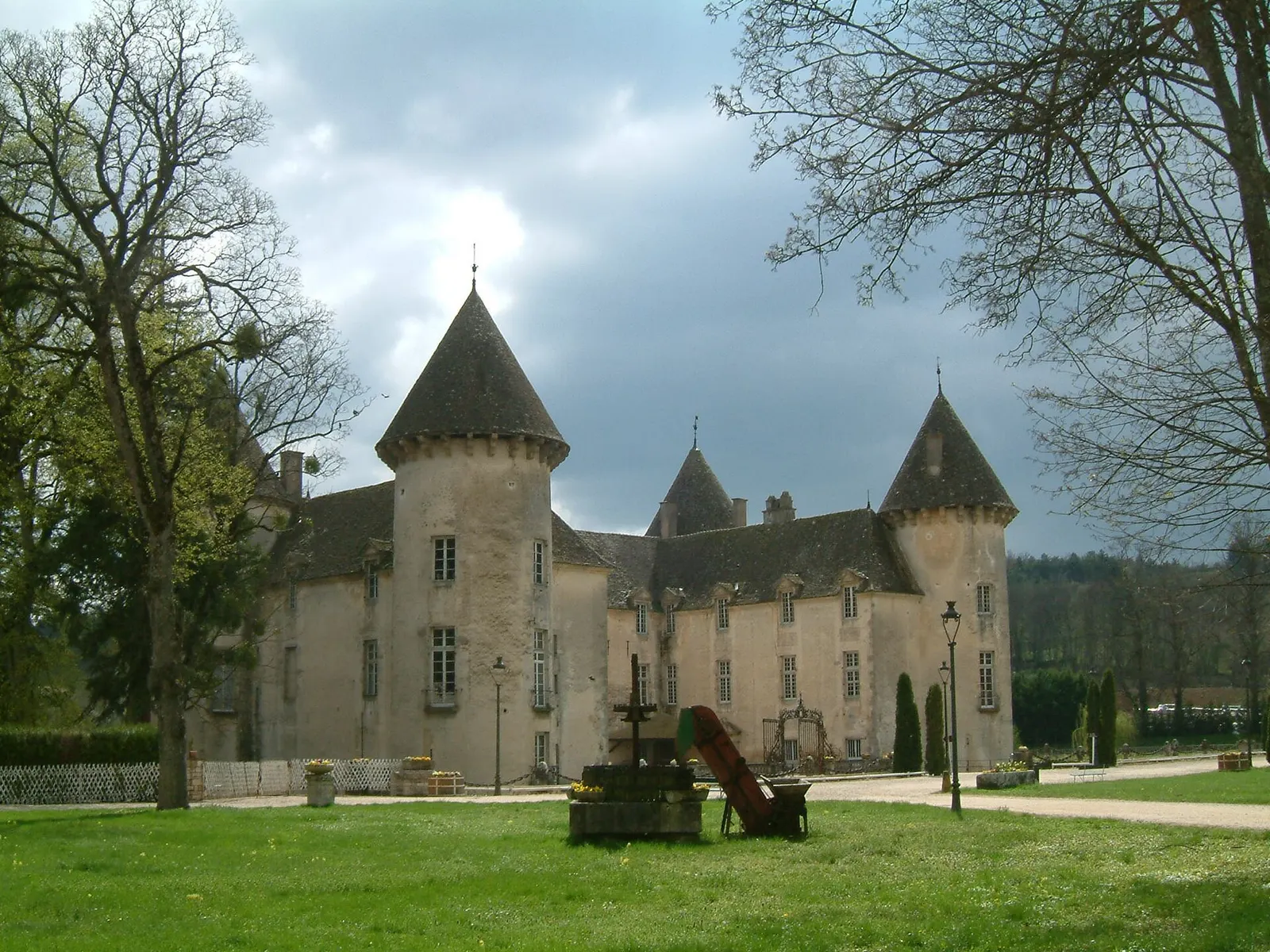
4 km awaySavigny-lès-Beaune
4 km away
- Nature and viewpoint
Beaune Premiers Crus Walk (Circuit No. 12) Circuit n°12, à travers quelques premiers crus de Beaune
1 km away
- Culture
Mois des Climats
Each year over several weeks in late spring and early summer, usually ending in early JulyBeaune - Wine festival
Beaune Saveurs de Vignes
Usually Ascension Thursday, in May, with staggered departures from late morningBeaune - Music
Festival international d’opéra baroque de Beaune
Usually four consecutive weekends in JulyBeaune
Questions
Beaune makes mostly red wines under these appellations: Beaune, Côte de Beaune. It has 42 premiers crus. Its best-known premiers crus include Les Grèves, Le Clos des Mouches, Les Bressandes.
Did you know? The Hôtel-Dieu treated patients for more than 500 years. Its services moved gradually to a modern hospital from 1971, and the historic building became entirely a museum only in 1988.
Sources
Beaune with a private driver
Half-day wine tour from Beaune: €290 for the car, up to 4 guests