Porte Saint-André
Autun's best-preserved Roman gate, with a ten-arch gallery and a Roman tower that is now a church.
- Heritage site
- 55 min from Beaune
- Allow 15 to 20 minutes
- Autun

At a glance
- Official website
- autun-tourisme.com
About the place
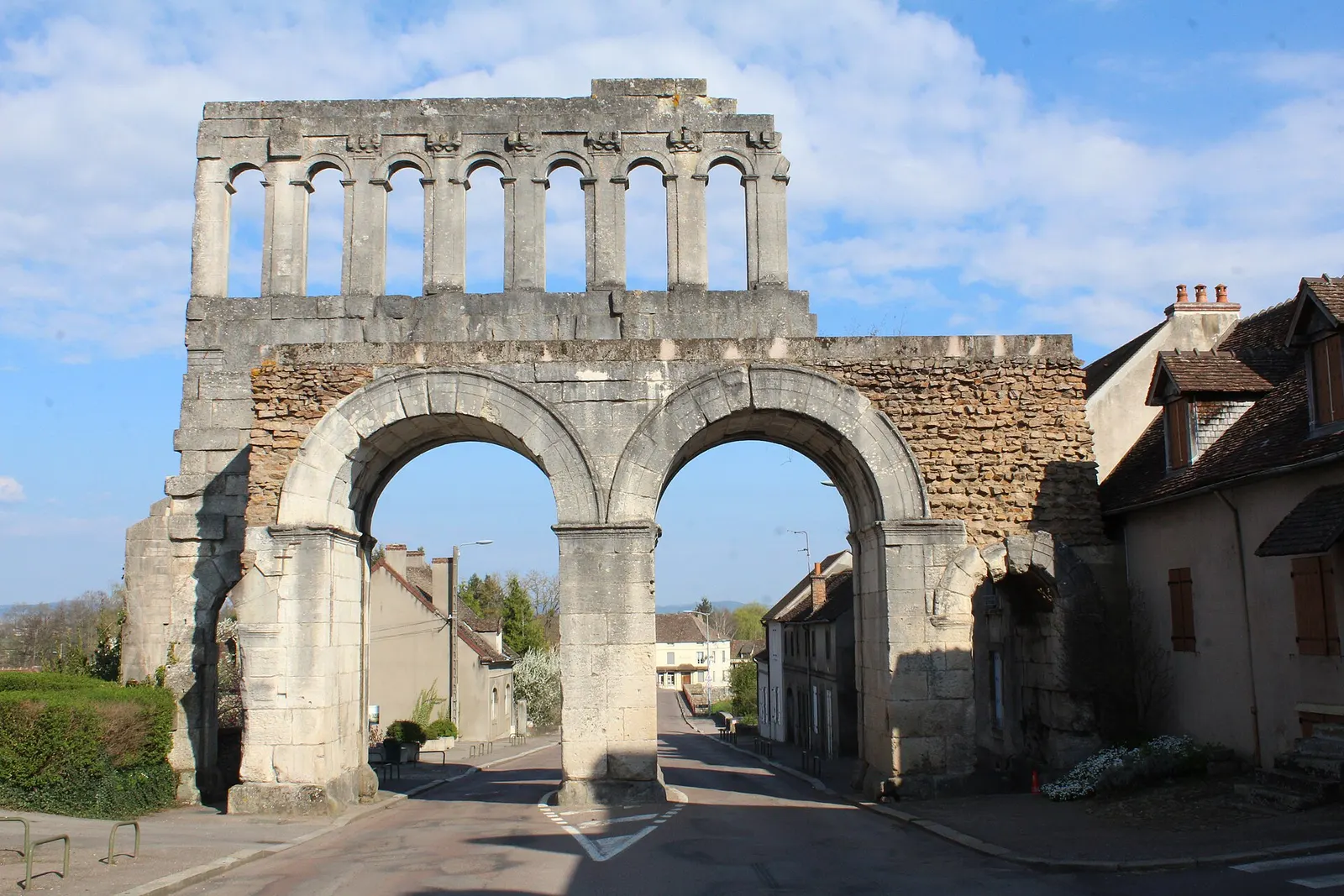
The Porte Saint-André is the best-preserved Roman gate of Autun: four arches for carts and walkers, a gallery of ten arcades above in a darker stone, and one of its flanking towers, which has served as a Protestant church since 1945. Restored by Viollet-le-Duc, it gives history lovers the clearest picture of how the gates of Augustodunum looked, in a short stop.
What you will see
Stand back from the gate to see its four round arches and, above them, the ten arcades of the gallery, whose capitals come close to the Ionic order. The lower part is built of pale limestone, while the gallery uses a darker arkose, a sign of the Roman rebuilding. Beside the gate, the surviving tower, rounded on the outside and flat on the town side, now houses the Protestant church.
History
Under Augustus, Augustodunum received a wall about 6 kilometres long with four main gates. The Porte Saint-André, also called the Porte de Langres, opened the road east towards Andemantunnum, today's Langres. Two wide central passages served carts and riders, and two narrower side passages served people on foot. Above them ran a gallery of ten arcades carrying the wall walk, and two massive towers about 10 metres wide stood on either side.
The gallery was rebuilt in Roman times in a different stone, an arkose quarried about ten kilometres east of Autun. By 1250 the northern tower had become a church, and a chapel blocked the passage beside it. Sold at the Revolution, the tower was bought back by the State in 1844, and Eugène Viollet-le-Duc restored the whole gate to its Roman appearance, rebuilding the most damaged parts. The gate was classified as a historic monument in 1846; the southern tower has disappeared.
Planning your visit
Tips for your visit
Pair it with the Roman theatre, a short walk away, then compare it with the Porte d'Arroux on the northern side of town and walk out to the Temple de Janus: a Roman morning before lunch and the cathedral of Saint-Lazare. The gate stands in the street and can be seen at any time.
Getting there
From Beaune, a day out: 55 min each way by road (49 km). There and back, your driver waiting up to 3 hours: €290 for the car, up to 4 guests.
From Paris (Charles de Gaulle, Orly or your address): about 3 h 01 from central Paris, 3 h 31 from Charles de Gaulle; €750 for the car, and the same fare back for your flight.
From Lyon airport and the stations too: all fares Book this ride
Around here
What to combine with Porte Saint-André on the same day, nearest first.
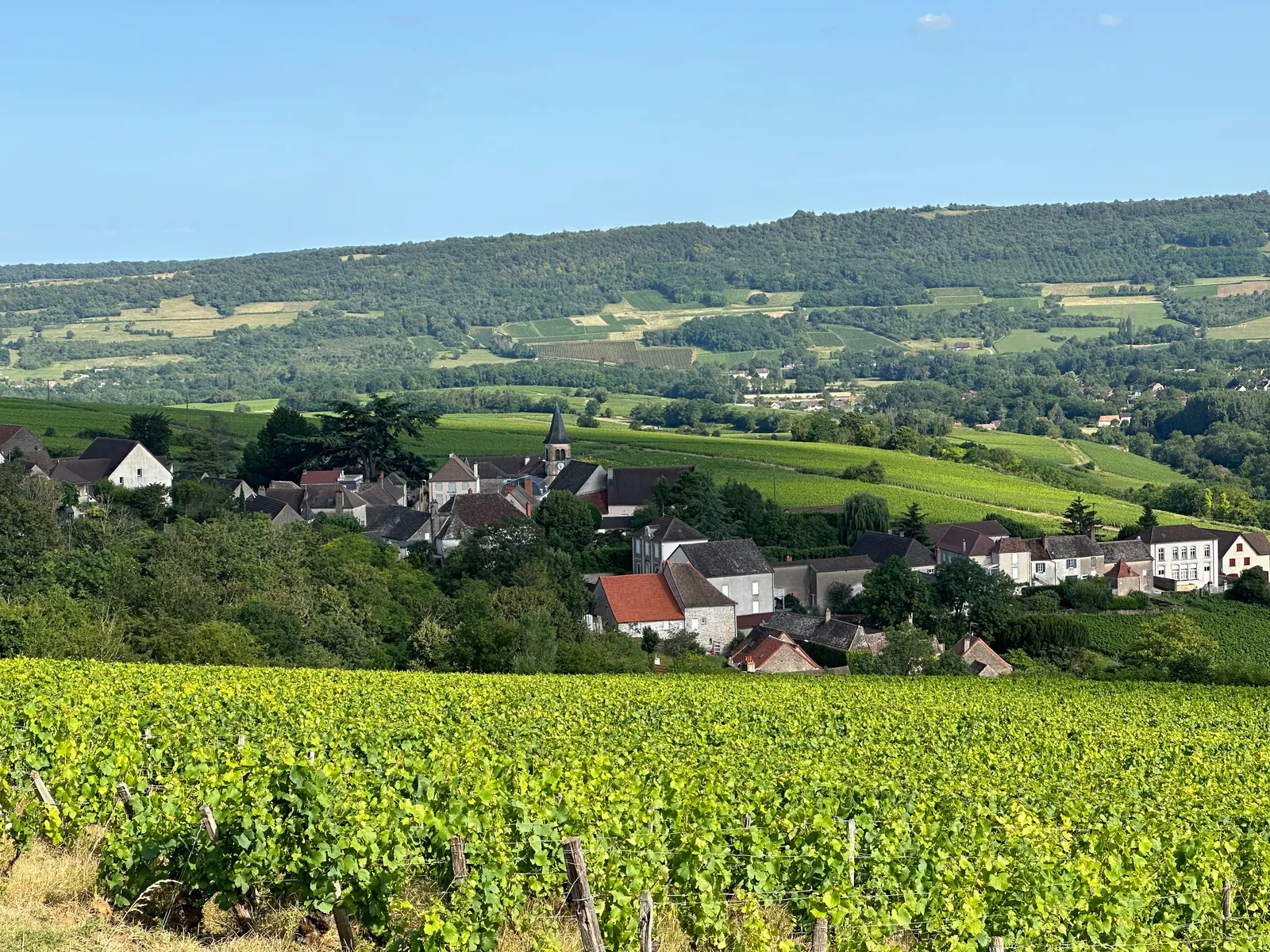
Maranges
Three quiet villages at the very end of the Côte de Beaune, for fruity reds and the Mont de Sène view.
27 km away
- Renaissance château
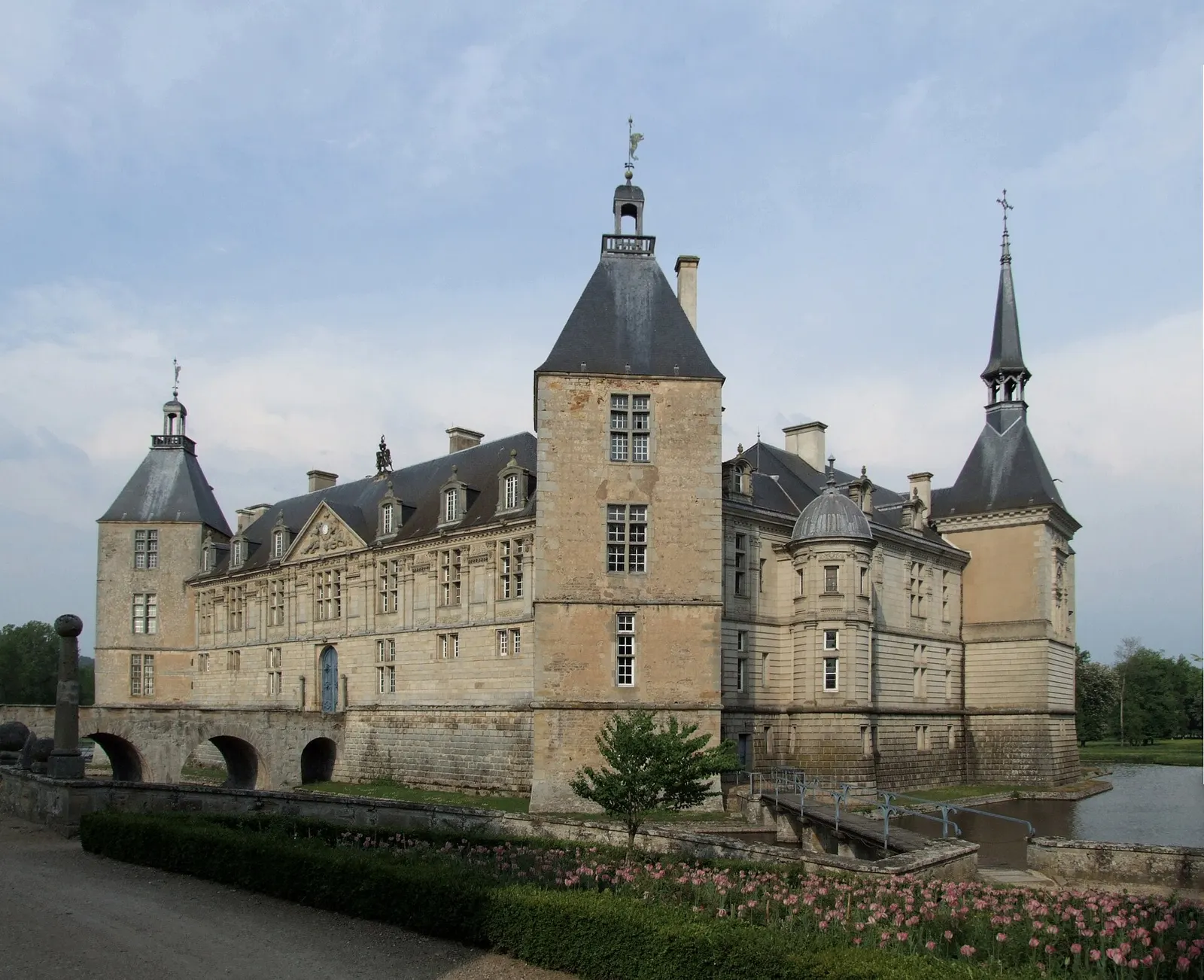
Château de Sully
A moated Renaissance palace still lived in by the Mac-Mahon family, with furnished rooms and a kitchen garden.
14 km away - Renaissance château
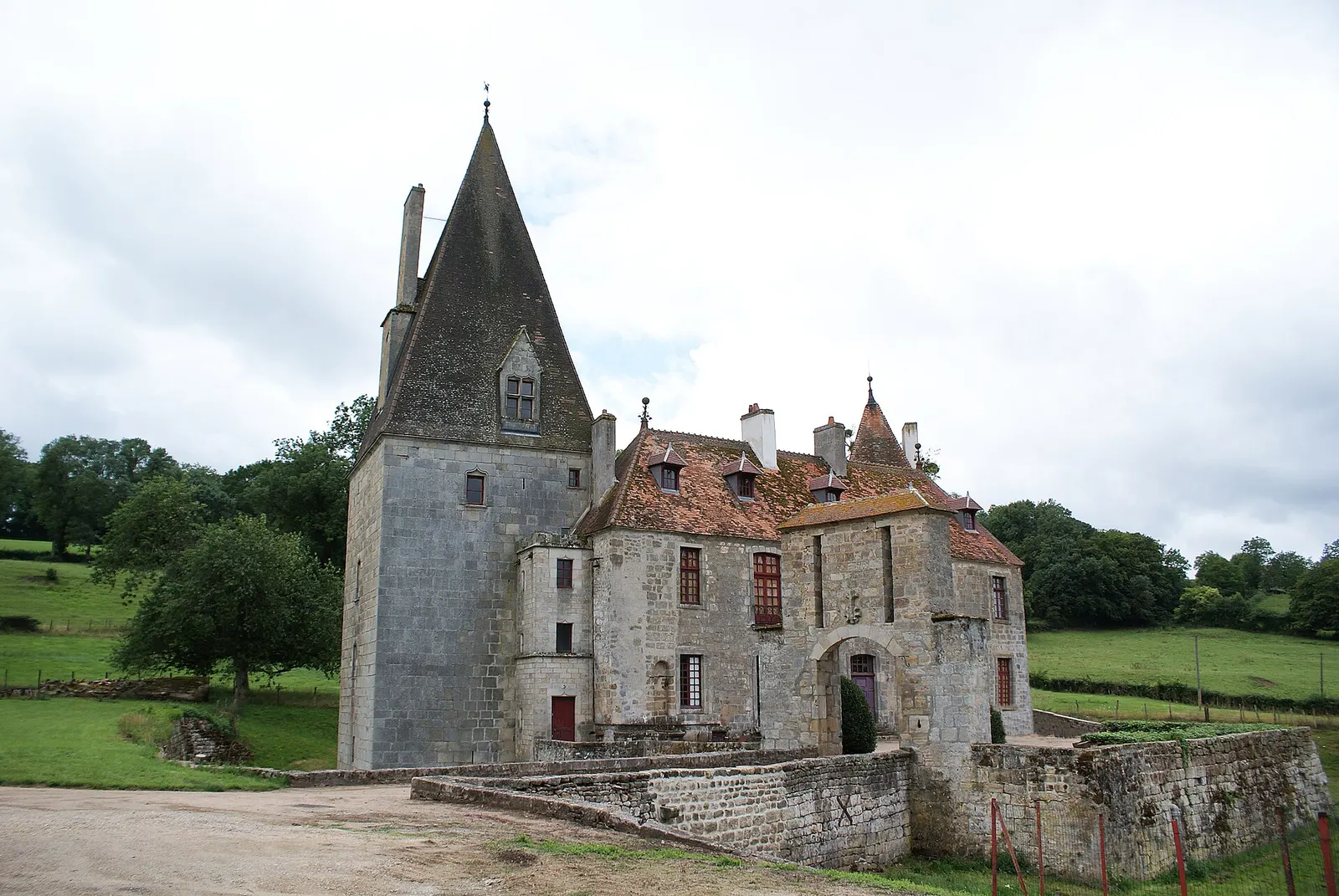
Château de Morlet
A gatehouse of 1584 bristling with gunports and carved masks, shown by the family restoring it.
15 km away - Medieval fortress
Château d’Épinac
Chancellor Rolin's castle on a spur above the Drée valley, let whole as a holiday house.
16 km away
- Heritage site
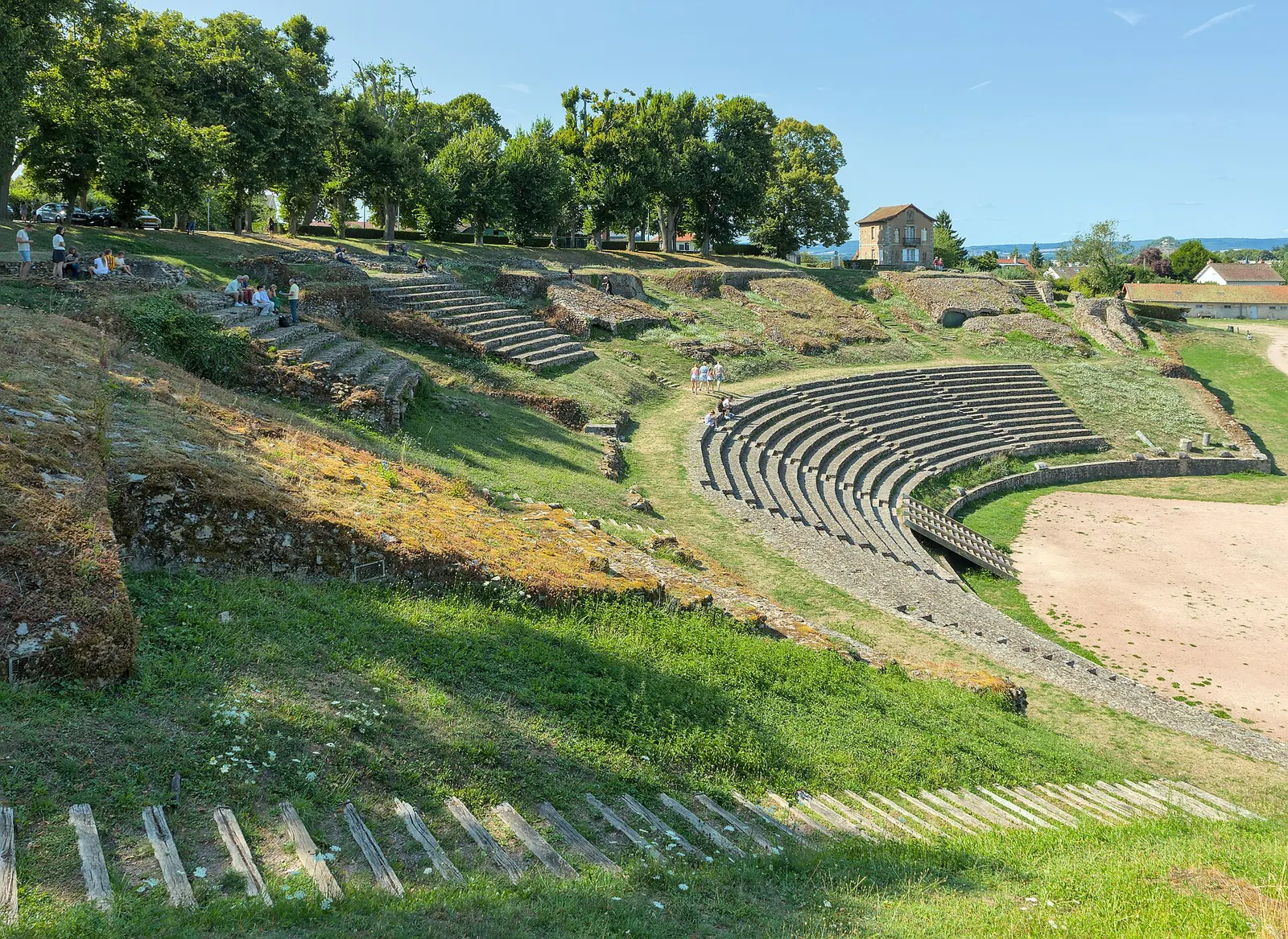
Roman Theatre of Autun Théâtre romain d’Autun
A 148-metre Roman theatre on a grassy slope, where the Augustodunum show plays on summer nights.
1 km away - Heritage site
Arroux Gate Porte d’Arroux
Autun's Roman north gate from the reign of Augustus: four arches, an upper gallery and portcullis grooves.
1 km away - Heritage site
Temple of Janus Temple de Janus
Two 20-metre walls of a Gallo-Roman temple standing alone in the meadows outside Autun.
1 km away
Questions
Porte Saint-André is about 55 min from Beaune by road (49 km). The fares for the car are under “Getting there”, above.
Did you know? With its gallery, the gate stands 14.6 metres high, and its central passages are just over 4 metres wide, made to fit Roman carts.
Sources
Porte Saint-André with a private driver
A fixed fare for the car · 1–4 guests · tolls and parking included