History
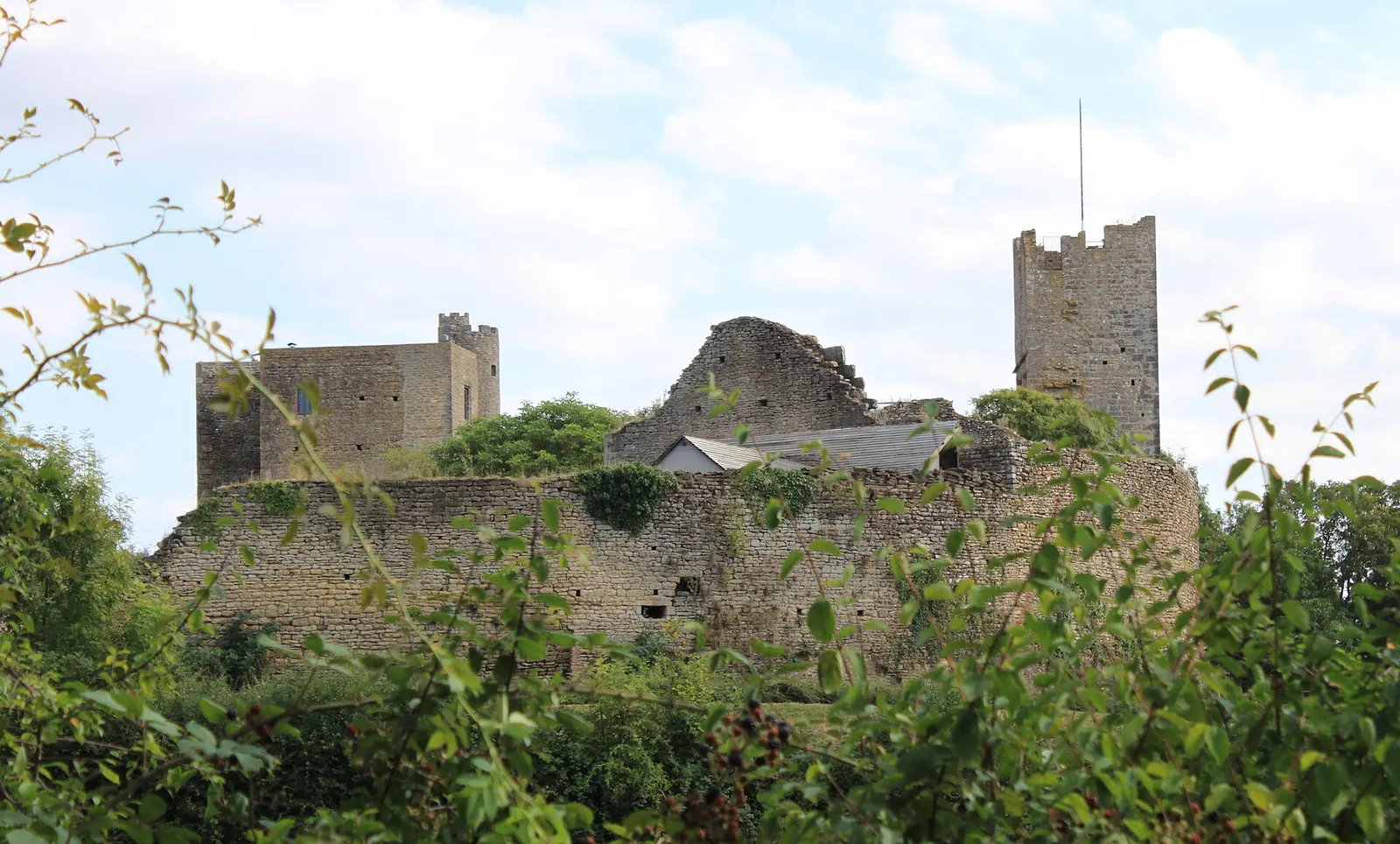
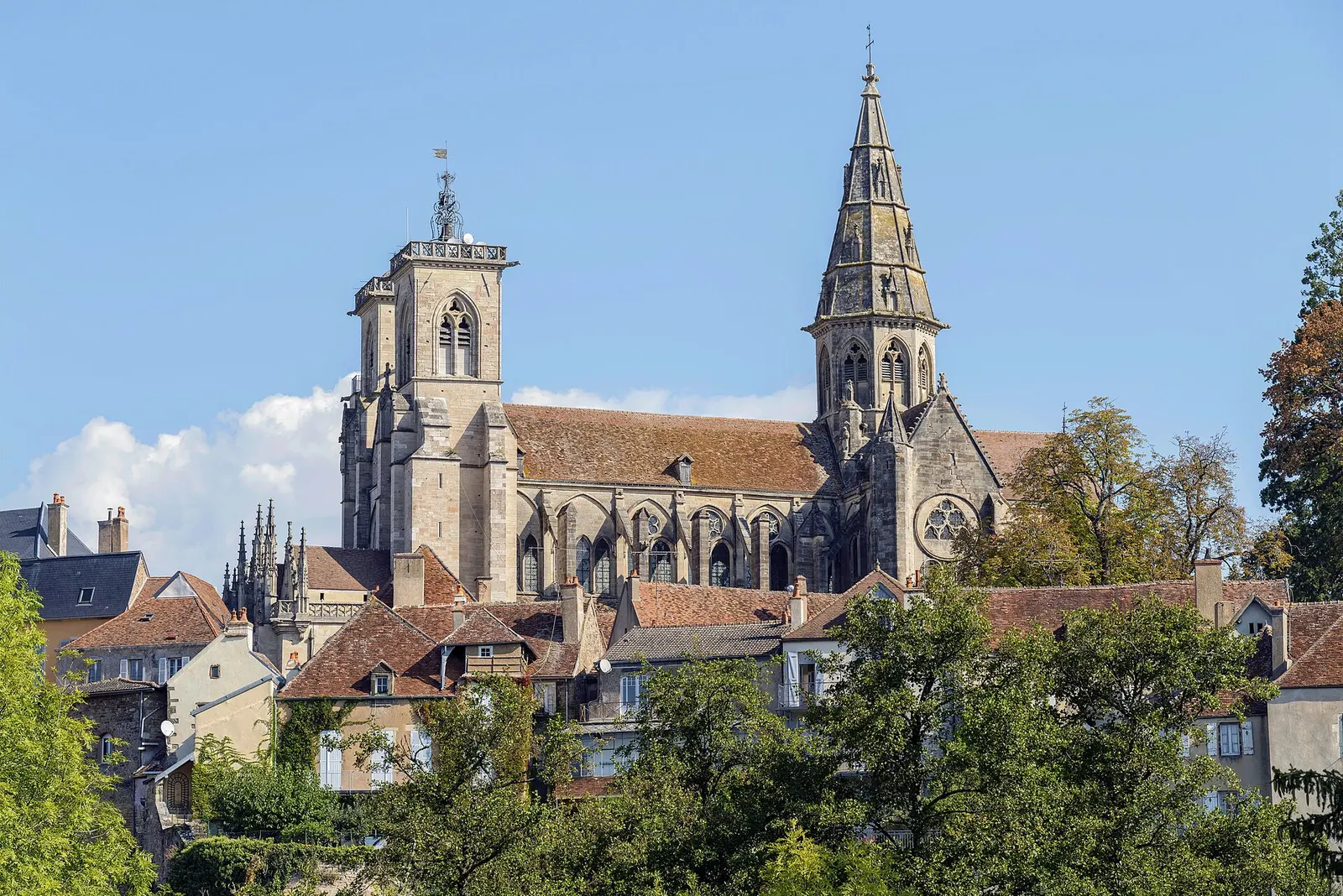
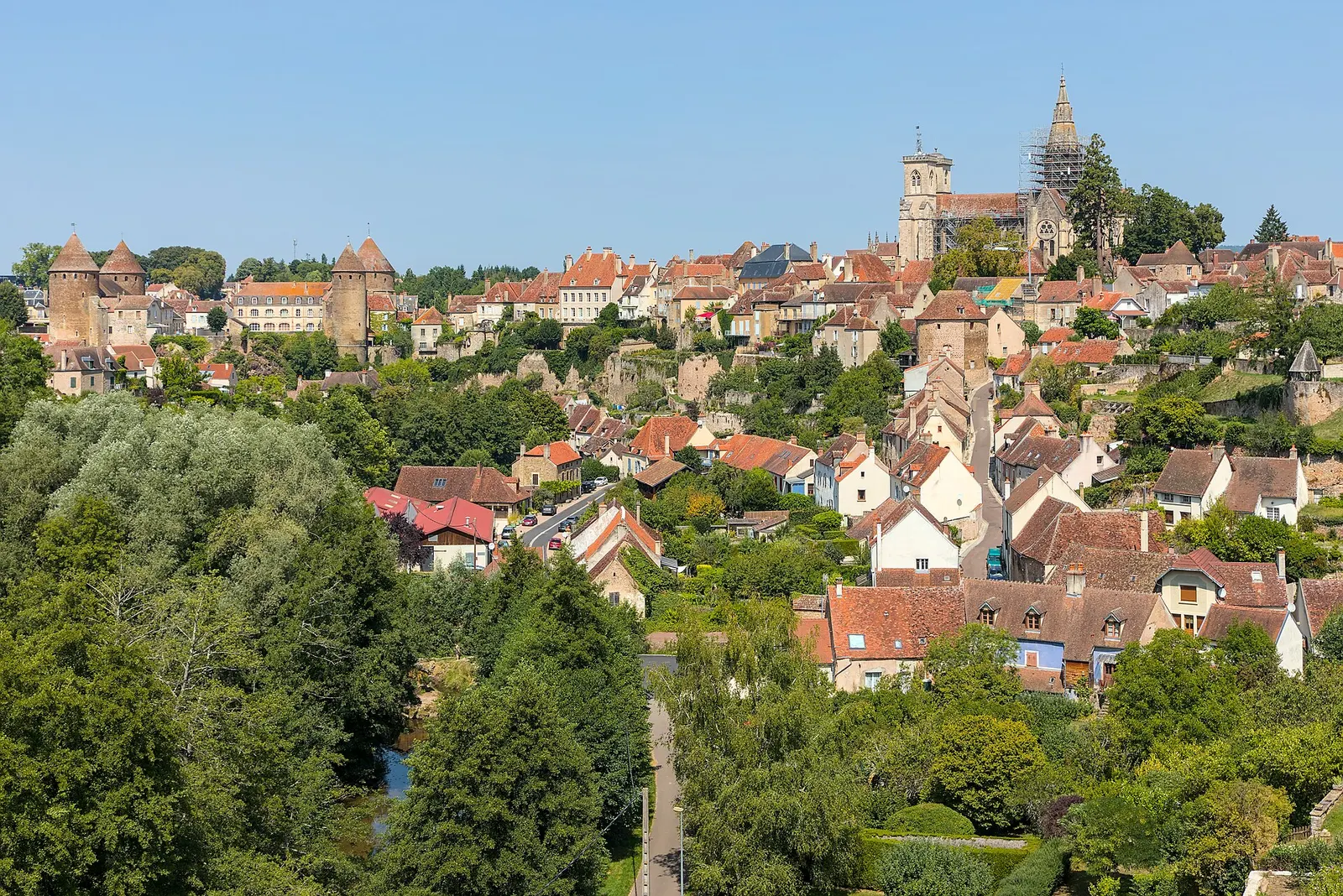
A fortress on the hill of Thil is mentioned as early as the 11th century. The lords of Thil held it from the dukes of Burgundy, and in 1307 Guillaume de Thil acknowledged the duke as his overlord. Around 1340 Jean de Thil founded a collegiate church at the far end of the hill, served by a chapter of canons.
The castle was already ruined by the late 16th century, when the Comte de Tavannes seized it during the Wars of Religion. In the 17th century the Sayve family acquired the lordship and kept it until 1777. The ruins were listed as a historic monument in 1905. Today the fortress is privately owned, and its owner opens it to visitors. The collegiate church is also a listed monument.
Architecture
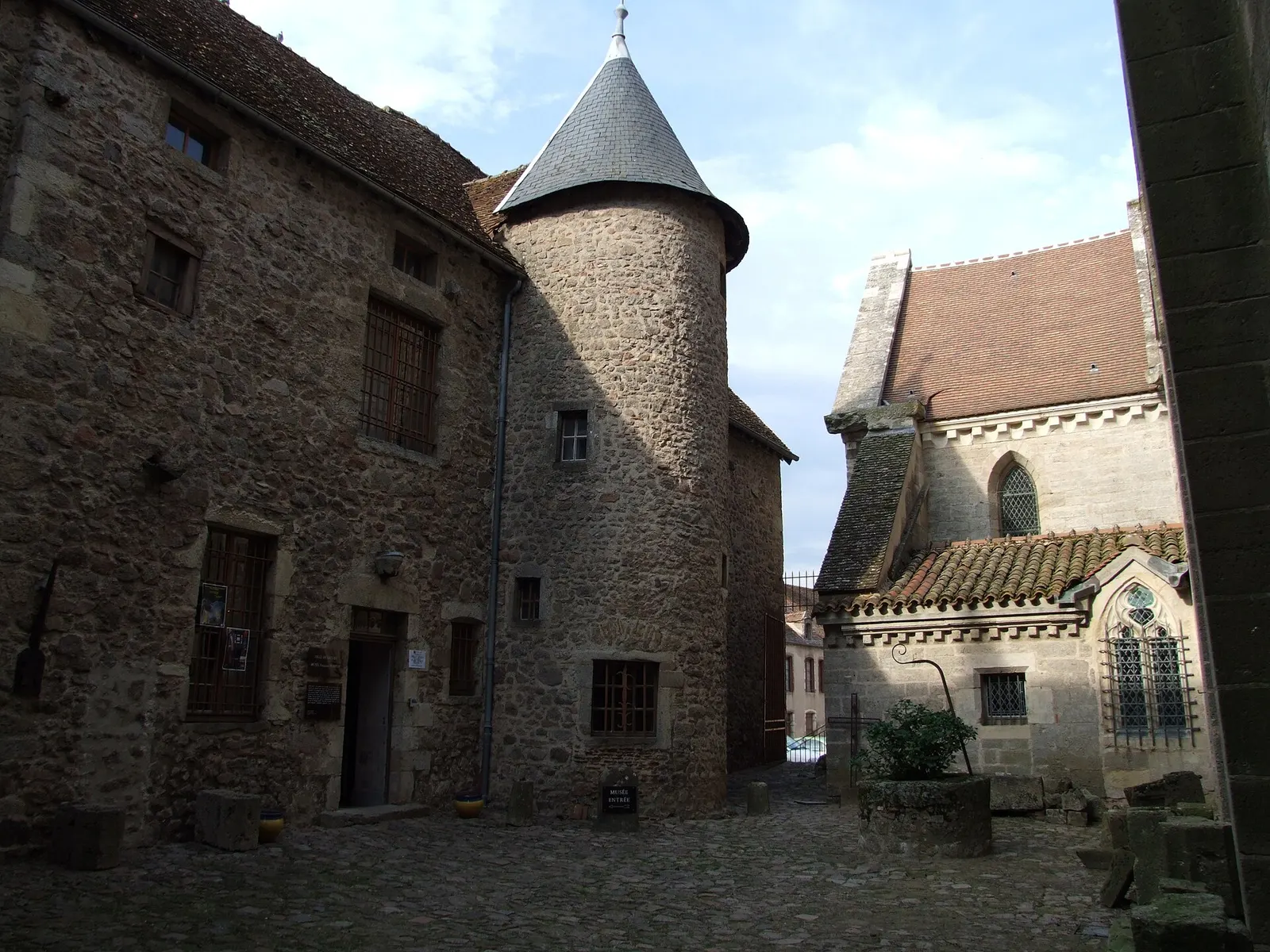
The fortress stretches along the crest of the hill. Its most striking element is the square watchtower, about 25 metres high and five storeys tall, which local tradition calls the 'Spy of the Auxois'. Around it survive a 13th-century cellar, parts of the curtain wall and later openings for guns. An avenue of old lime trees links the castle to the Gothic collegiate church, whose walls are pierced with arrow slits.