What you will see
The archaeology room follows people in the Avallon area from the Palaeolithic to the Merovingian period, with stone tools, Bronze Age ornaments, an Iron Age armlet found at Noyers and a pair of bird-shaped Merovingian brooches set with garnets. The fine arts rooms show paintings, drawings, prints and about a hundred 19th- and 20th-century sculptures, by artists such as Pierre Vigoureux and Georges Loiseau-Bailly. One room is given to Jean Després, whose pewter and silver pieces draw on modernism and Art Deco. The Yao rooms show embroidered textiles, silver jewellery and objects of Yao Taoism.
History
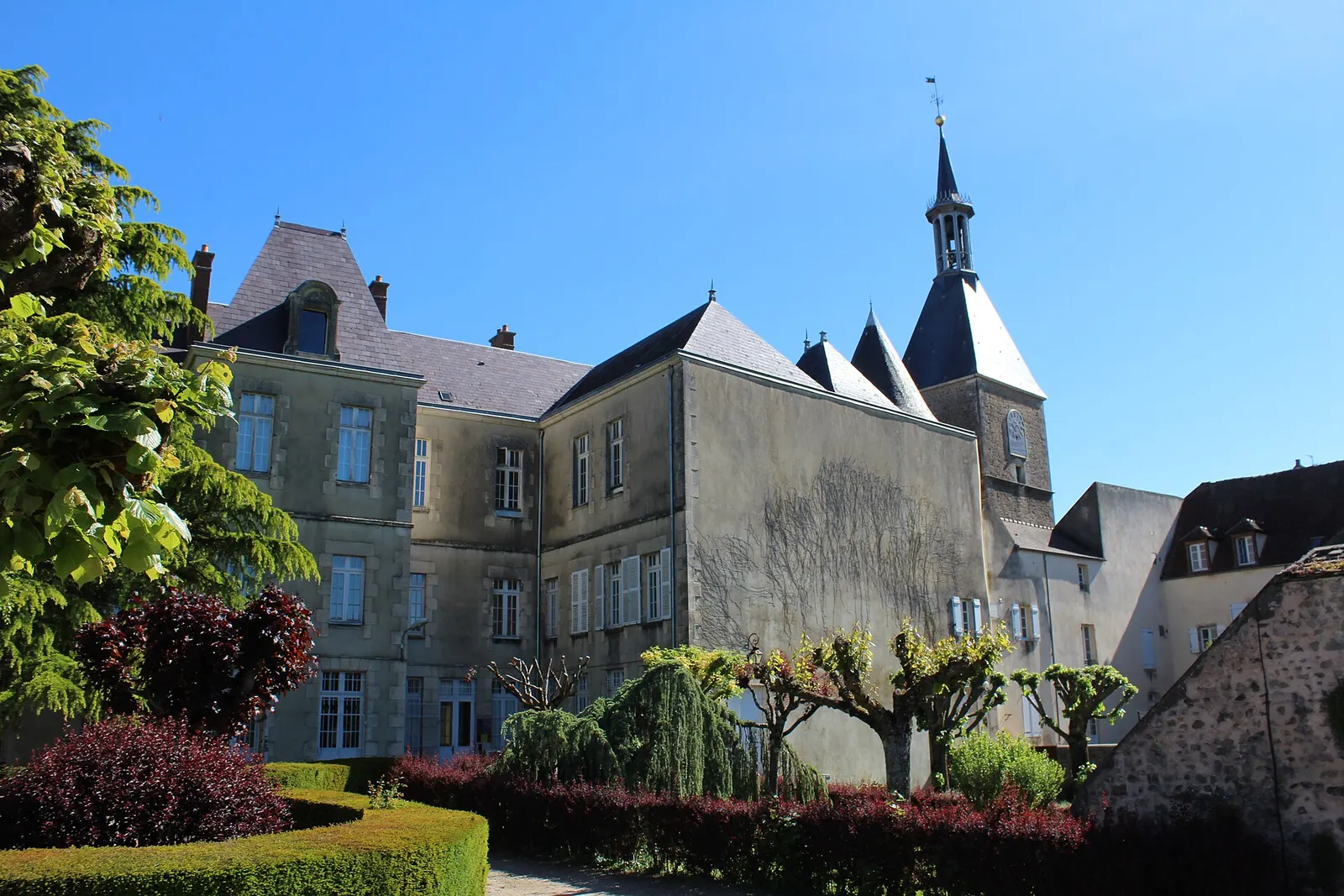
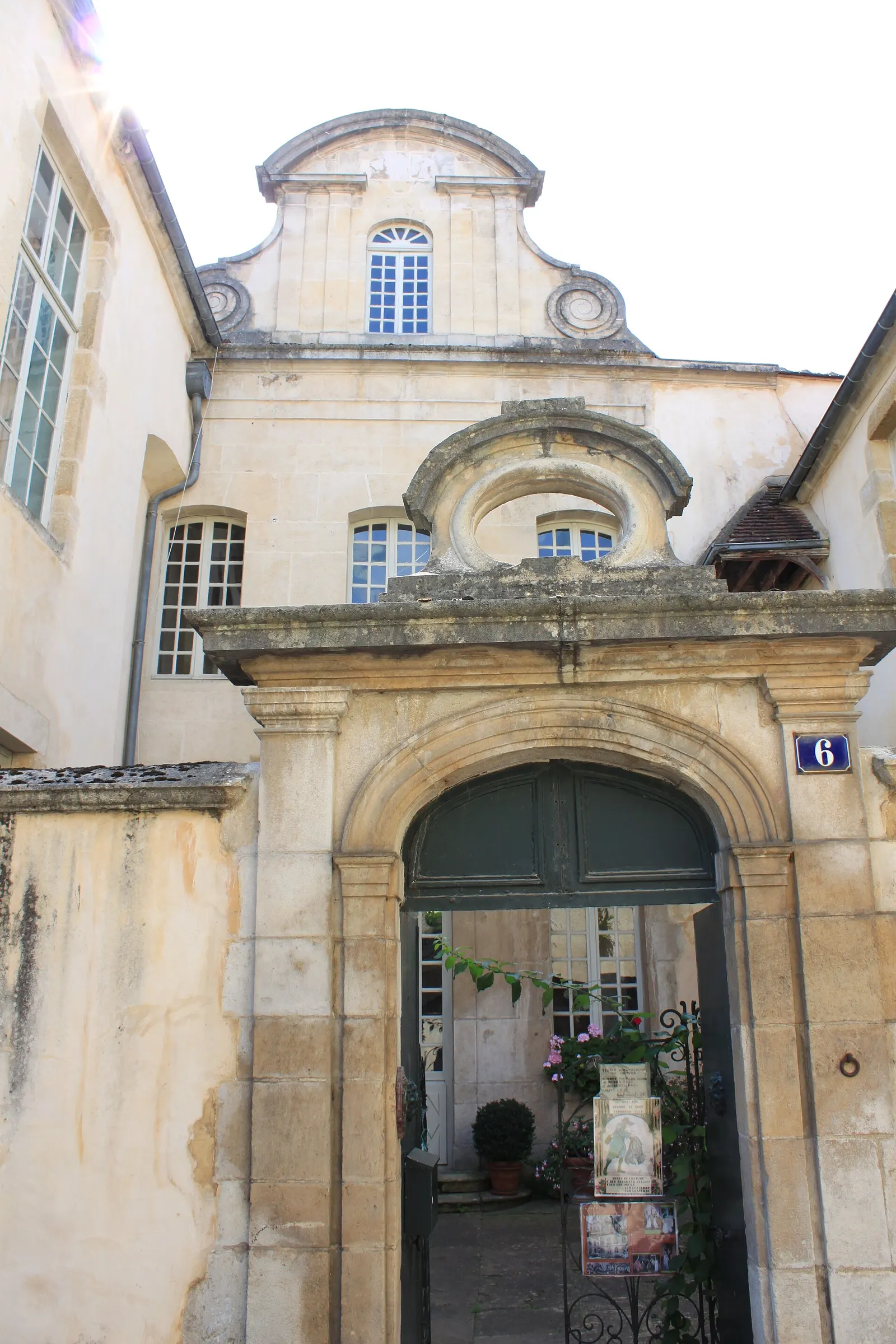
The Société d'Études d'Avallon, a society of local scholars, founded the museum in 1862 and first set it up in the upper room of the Tour de l'Horloge. Gifts from collectors built up the collections, among them the coins gathered by the teacher Alfred Bardin, which today form a set of nearly 24,000 coins and medals. In 1912 the museum moved with the town hall to the Hôtel de Gouvenain, and in 1946 it became a municipal museum.
In 1971 the collections moved into the old collège, where generations of Avallon pupils had studied. The museum received the Musée de France label in 2002. In 2011 seven new rooms opened for a collection of about 2,500 objects from the Yao Mien and Yao Mun peoples of southern China and South-East Asia, given to the museum in 2008. In 2017 it added to its name that of Jean Després, the goldsmith who lived and worked in Avallon until his death in 1980.