Châtillonnais Museum and the Vix Treasure (Musée du Pays Châtillonnais, Trésor de Vix)
Home of the Vix krater, the largest known metal vessel from Western classical antiquity.
- Museum
- 1 h 45 from Beaune
- Allow 1.5 to 2 hours
- Châtillon-sur-Seine

At a glance
- Official website
- musee-vix.fr
About the place
At the Musée du Pays Châtillonnais in Châtillon-sur-Seine, you stand before the Vix krater, a Greek bronze vessel 1.64 metres high with a frieze of foot soldiers and chariots, buried around 500 BC beside a Celtic princess laid on her chariot, and around it her grave goods and finds from Mont Lassois. Further rooms cover the Gallo-Roman town of Vertillum and the spring of the Douix. One and a half to two hours for history lovers.
What you will see
The krater dominates its room: 1.64 metres of bronze, with a frieze of Greek foot soldiers and chariots around the neck and Gorgon heads on the handles. Around it are finds from the grave and from Mont Lassois. Other galleries show carved offerings from the spring of the Douix, finds from the Gallo-Roman town of Vertillum, including a Bacchus statue recovered in 2019, and rooms on Marshal Marmont, a native of the town.
History
In January 1953, the farmer Maurice Moisson and the archaeologist René Joffroy found a princely grave at the foot of Mont Lassois, near the village of Vix. A woman of about 30 to 35 lay on the body of a four-wheeled chariot, wearing rich jewellery. Beside her stood an enormous bronze krater, a vessel for mixing wine, made by Greek craftsmen in several separate pieces and then assembled.
The local archaeological society bought the Renaissance Maison Philandrier in 1928, and the museum moved into it in 1950. The Vix discovery made it famous, and the treasure stayed in Châtillon instead of going to the national archaeology museum near Paris. In 2009 the museum moved to the larger buildings of the former abbey of Notre-Dame, rebuilt in the 17th and 18th centuries. On 24 July 2026 the princess's gold torc was stolen from the museum.
Planning your visit
Tips for your visit
Châtillon is in the far north of Côte-d'Or, so make it a full day: the museum in the morning, the Source de la Douix bursting from its cliff a short walk away, lunch at Château de Courban, then the oak and beech forests of the Parc national de forêts; or stop at the Abbaye de Fontenay on the way back. Museum guides run free sessions on the Vix treasure at weekends. The museum is closed in January and February.
Getting there
From Beaune, a day out: 1 h 45 each way by road (128 km). There and back, your driver waiting up to 3 hours: €615 for the car, up to 4 guests.
From Paris (Charles de Gaulle, Orly or your address): about 2 h 24 from central Paris, 2 h 54 from Charles de Gaulle; €750 for the car, and the same fare back for your flight.
From Lyon airport and the stations too: all fares Book this ride
Around here
What to combine with Châtillonnais Museum and the Vix Treasure on the same day, nearest first.
- Nature and viewpoint
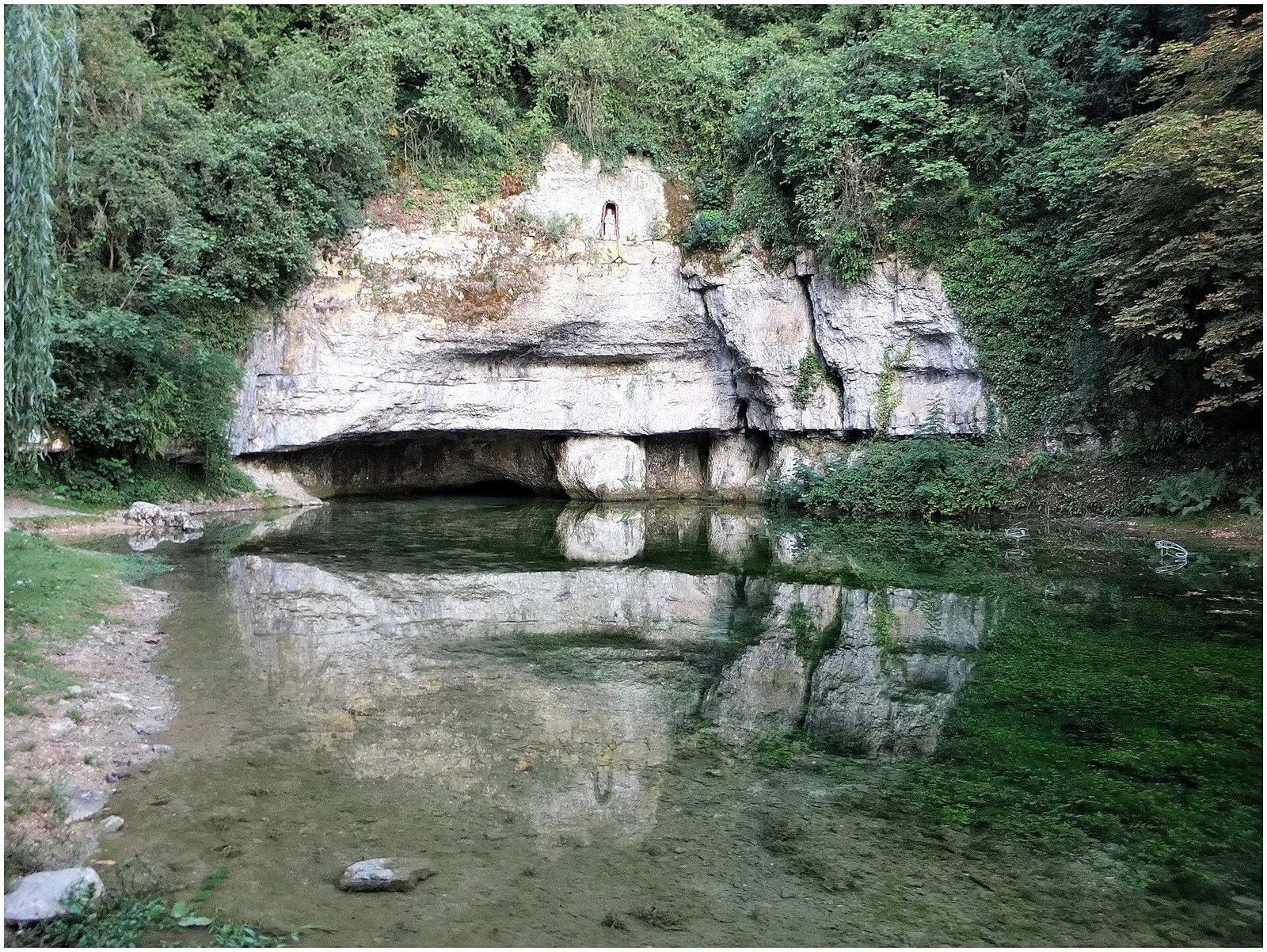
Douix Spring Source de la Douix
A clear spring welling up beneath a limestone arch in Châtillon-sur-Seine, sacred for 2,000 years.
1 km away - Nature and viewpoint
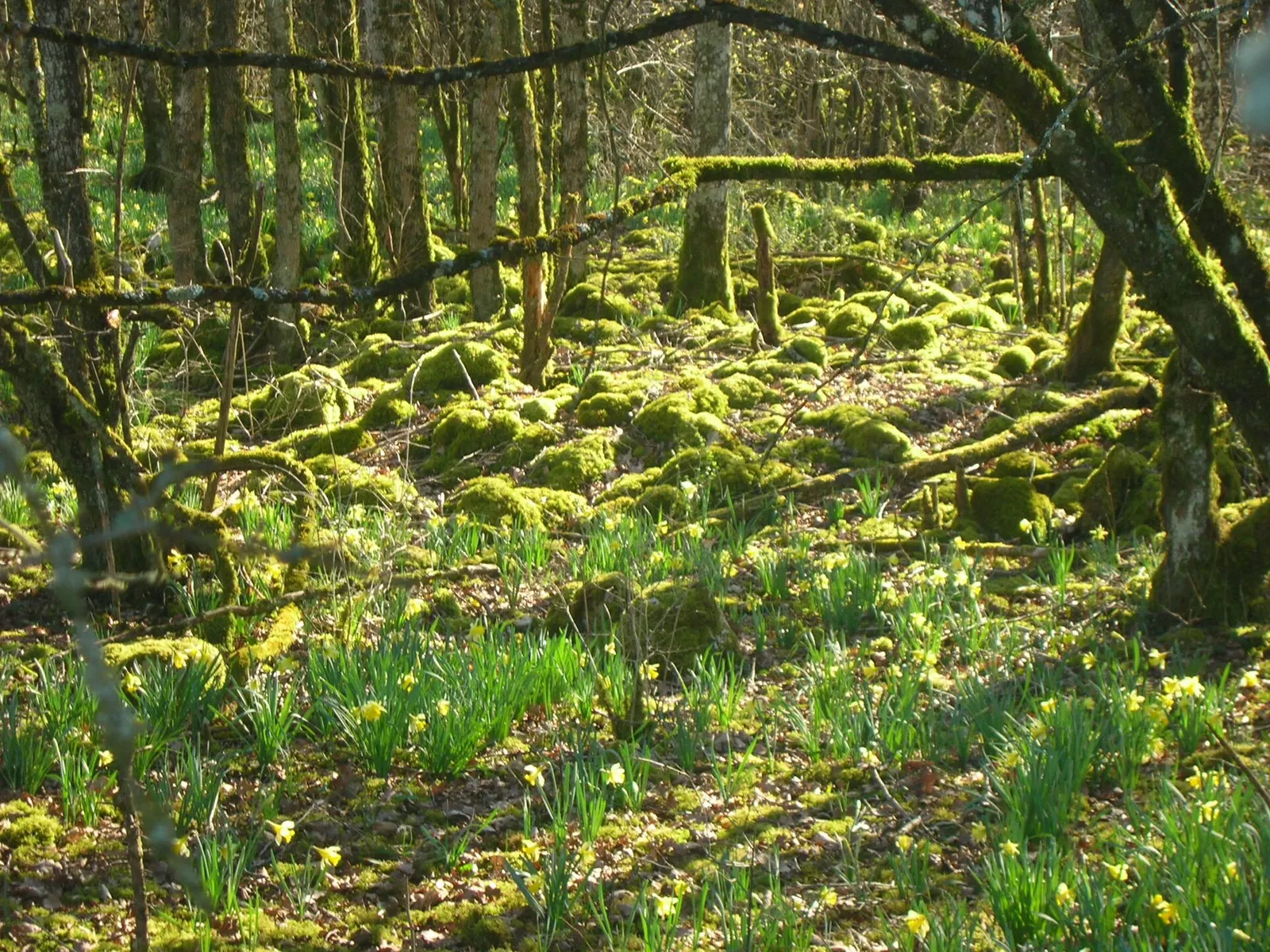
Forests National Park Parc national de forêts
Deep beech and oak forest, tufa springs and the black stork, in France's national park of lowland woods.
17 km away - Abbey or church
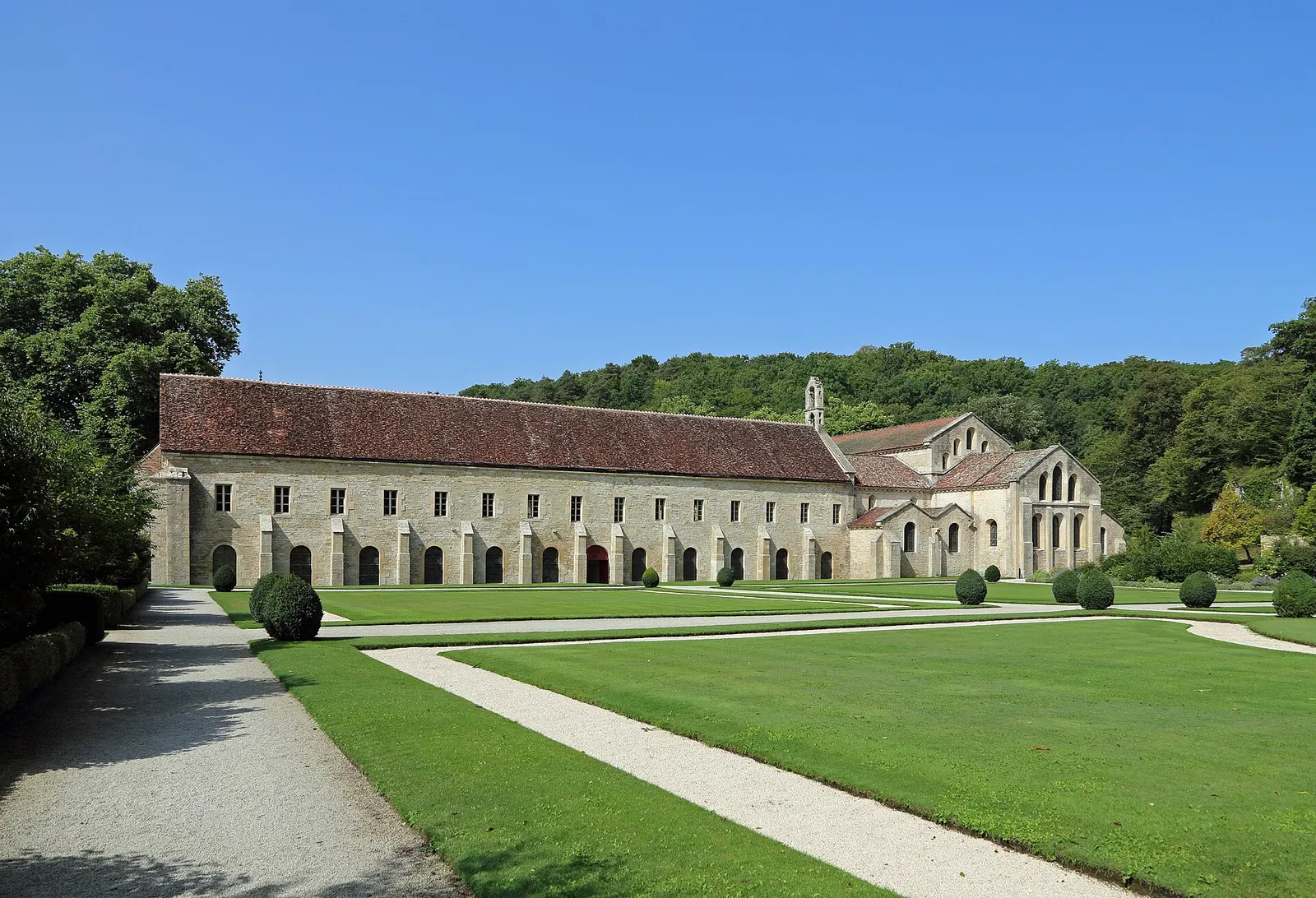
Fontenay Abbey Abbaye de Fontenay
The complete 12th-century Cistercian abbey, from church to forge, alone in a wooded valley (UNESCO).
28 km away
- Courban
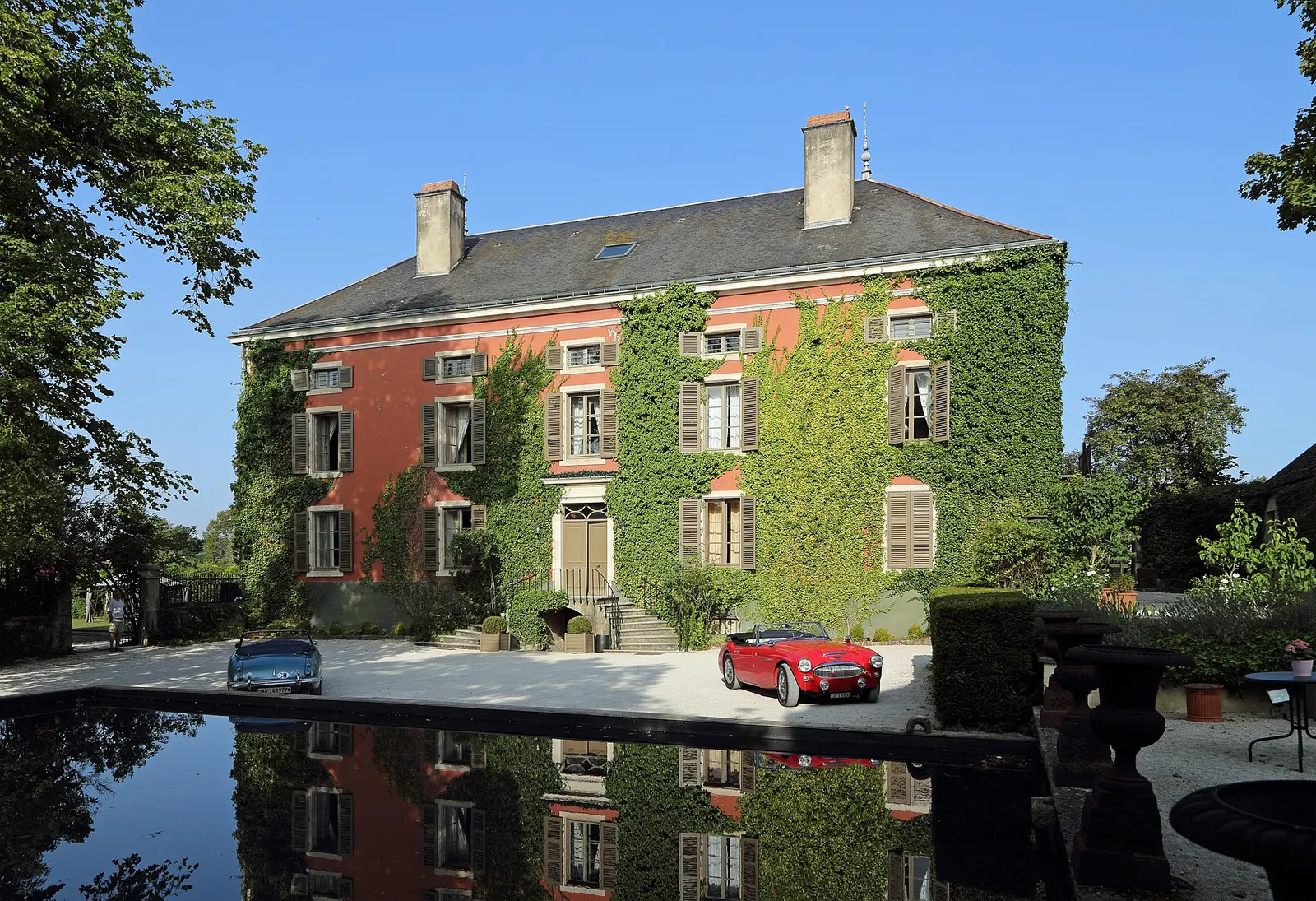
Château de Courban
An orangery over Italianate gardens, 1,000 wines and a spa: a starred country-house night in the Châtillonnais
14 km away
Questions
Châtillonnais Museum and the Vix Treasure is about 1 h 45 from Beaune by road (128 km). The fares for the car are under “Getting there”, above.
Did you know? The Vix krater weighs 208.6 kilograms and could hold about 1,100 litres of wine. It is the largest known metal vessel to survive from Western classical antiquity.
Sources
Châtillonnais Museum and the Vix Treasure with a private driver
A fixed fare for the car · 1–4 guests · tolls and parking included