MuséoParc Alésia
Where Caesar defeated Vercingetorix: rebuilt Roman siege lines, a round museum and a Roman town on the hill.
- Museum
- 1 h 10 from Beaune
- Allow 2.5 to 3 hours
- Alise-Sainte-Reine

At a glance
- Official website
- alesia.com
About the place
At the MuséoParc Alésia you stand where Julius Caesar besieged Vercingetorix in 52 BC. A round museum on the plain tells the siege, full-size Roman ramparts with towers, sharpened stakes and siege engines are rebuilt outside, and on Mont Auxois above you walk the streets of the Gallo-Roman town up to the giant copper statue of Vercingetorix. A half-day for families and history lovers.
What you will see
Start in the museum, where more than 600 objects, films and models follow the site from prehistory to the present day. From the roof terrace you look out over the plain and Mont Auxois. Outside, a stretch of the Roman double fortifications has been rebuilt with towers, ditches, sharpened stakes and siege engines. Then drive 3 km up to the hilltop to walk among the foundations of the Gallo-Roman town, with its theatre, forum and craft quarter, and on to the statue.
History
Caesar trapped about 80,000 Gaulish foot soldiers on the plateau. His legions built two rings of earthworks: an inner line of about 15 km to hold the besieged, and an outer line of about 21 km against the Gaulish relief army. After about two months, Vercingetorix surrendered. The town was not destroyed. In the 1st century AD a prosperous Gallo-Roman town grew up on the hill, known for its bronze workers, and it lasted until the 5th century.
Napoleon III, an admirer of Caesar, ordered excavations here in the 1860s. In 1865 a copper statue of Vercingetorix by Aimé Millet, 6.60 metres tall, was raised on the western tip of the hill, on a pedestal designed by Viollet-le-Duc. The MuséoParc opened in March 2012. Its circular building is by the architect Bernard Tschumi, whose larch lattice recalls the Roman fortifications. Since 2021 it has also displayed a larger selection of finds from the hill.
Planning your visit
Tips for your visit
Start in the museum in the morning and climb to its roof terrace, walk the rebuilt fortifications, then drive 3 km up the hill for the Roman town and the statue. Have lunch in Flavigny-sur-Ozerain, the hilltop village of the aniseed sweets, and add the Château de Bussy-Rabutin in the afternoon. The hilltop is exposed to sun and wind, so bring a hat or a warm layer. The museum closes from December to early February, and the hilltop remains are open from April to early November.
Getting there
From Beaune, a day out: 1 h 10 each way by road (81 km). There and back, your driver waiting up to 3 hours: €425 for the car, up to 4 guests.
From Paris (Charles de Gaulle, Orly or your address): about 2 h 34 from central Paris, 3 h 04 from Charles de Gaulle; €750 for the car, and the same fare back for your flight.
From Lyon airport and the stations too: all fares Book this ride
Around here
What to combine with MuséoParc Alésia on the same day, nearest first.
- Renaissance château
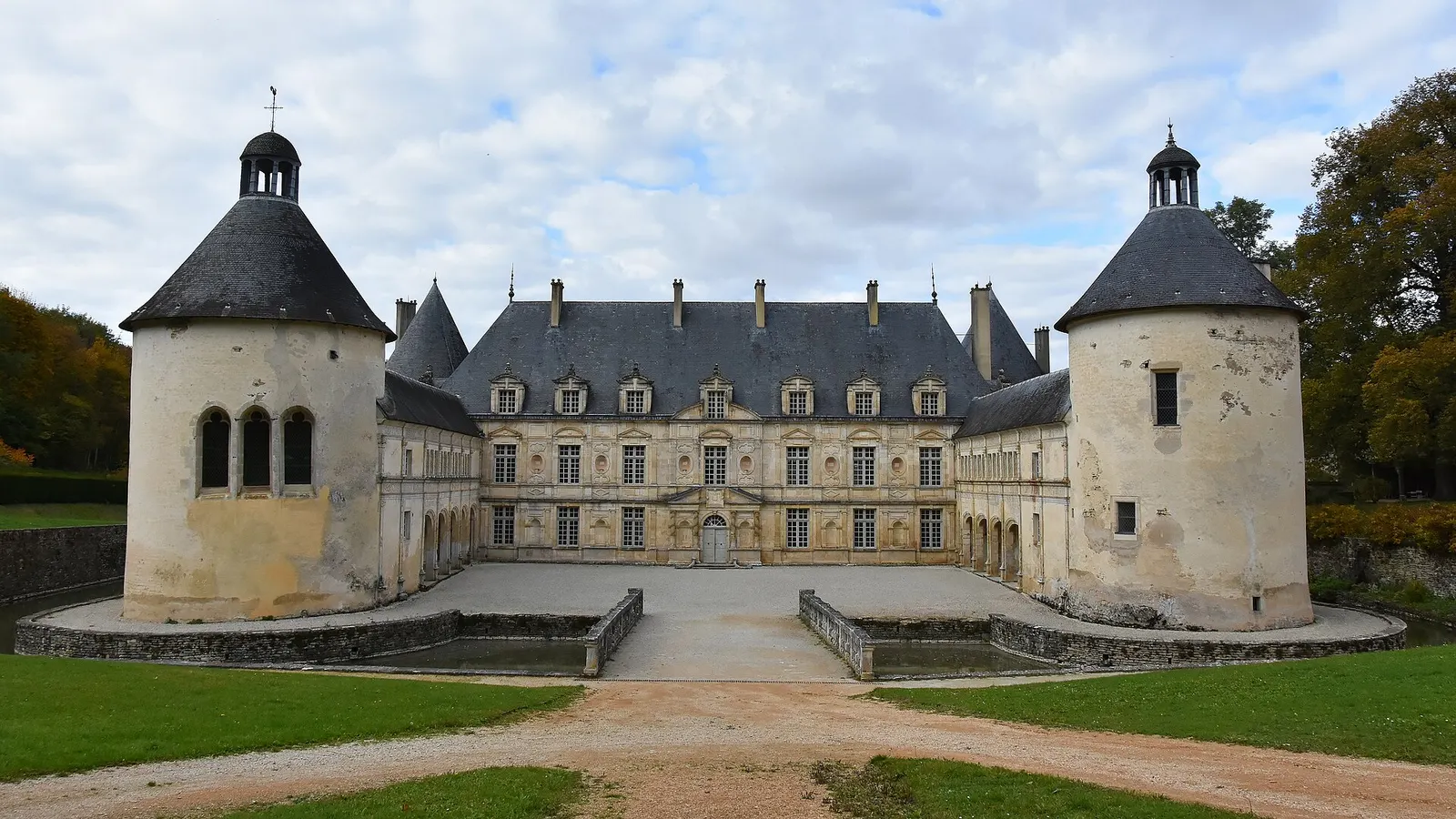
Château de Bussy-Rabutin
The home of a disgraced courtier in exile, painted wall to wall with portraits and mottoes.
5 km away - Classical château
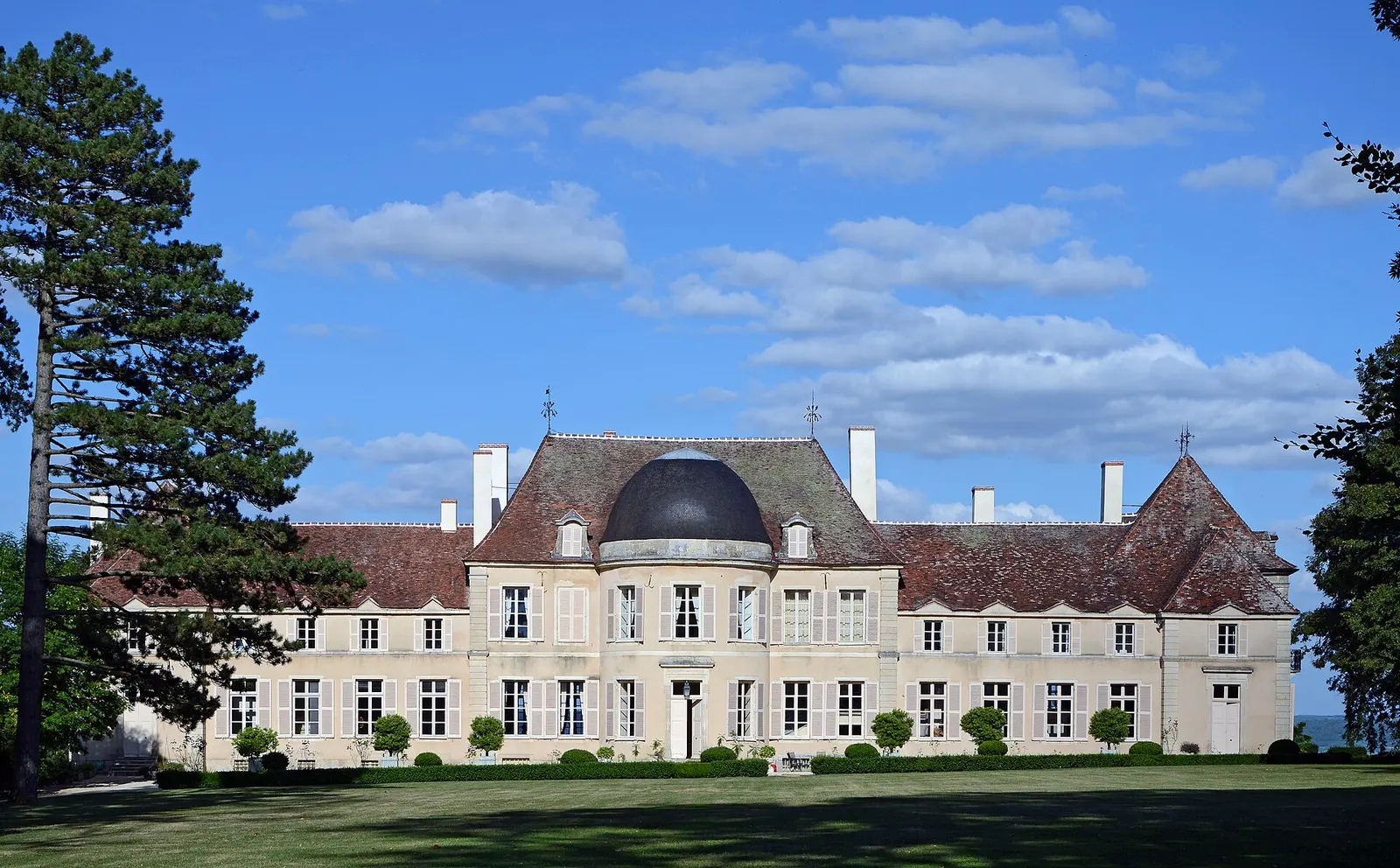
Château de Lantilly
The ‘château of a hundred windows', with a flowering kitchen garden labelled Jardin Remarquable, open in summer.
7 km away - Medieval fortress
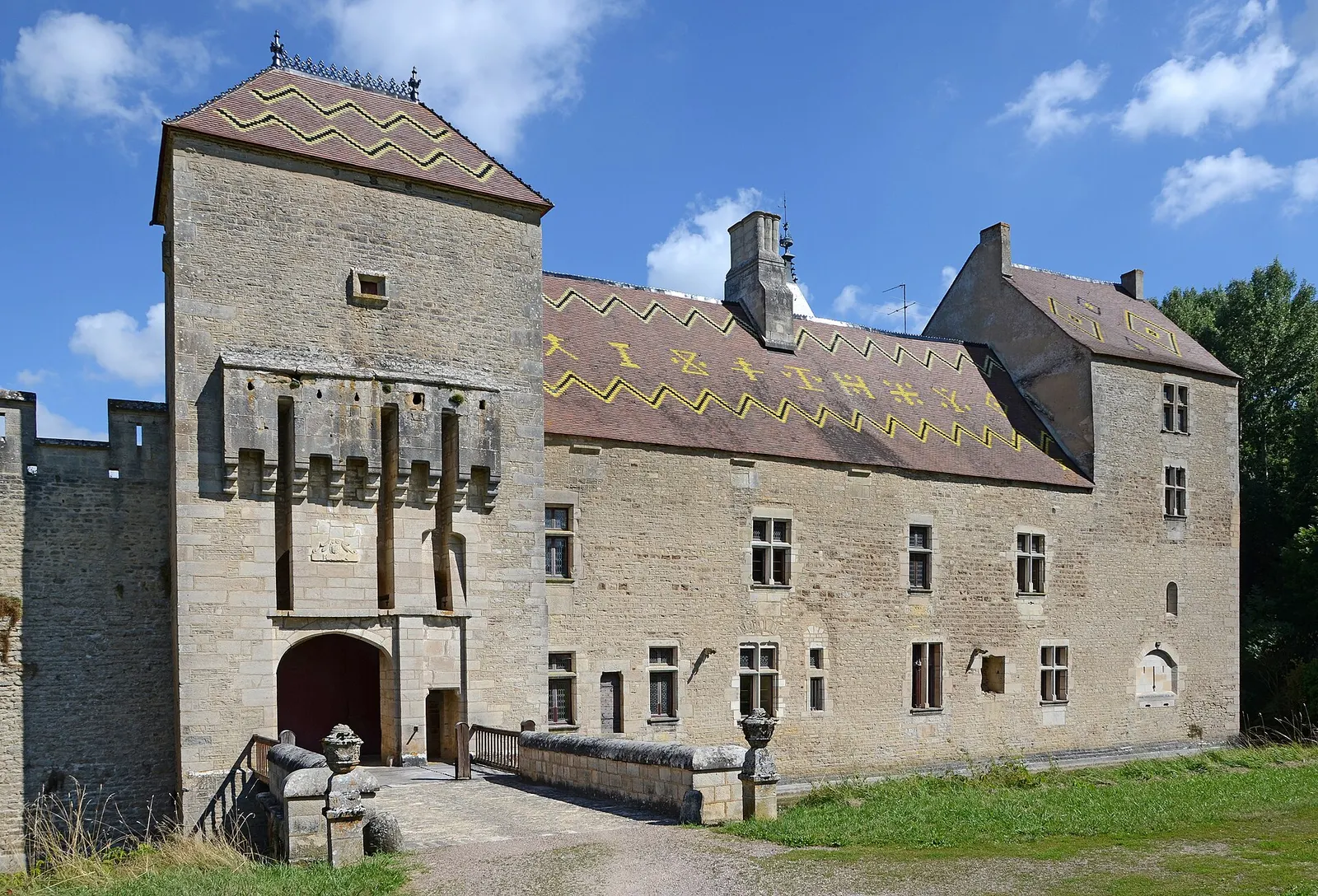
Château de Marigny-le-Cahouët
A moated castle of the plain behind a Gothic Revival gate and a working drawbridge, seen from its avenue.
8 km away
- Food maker
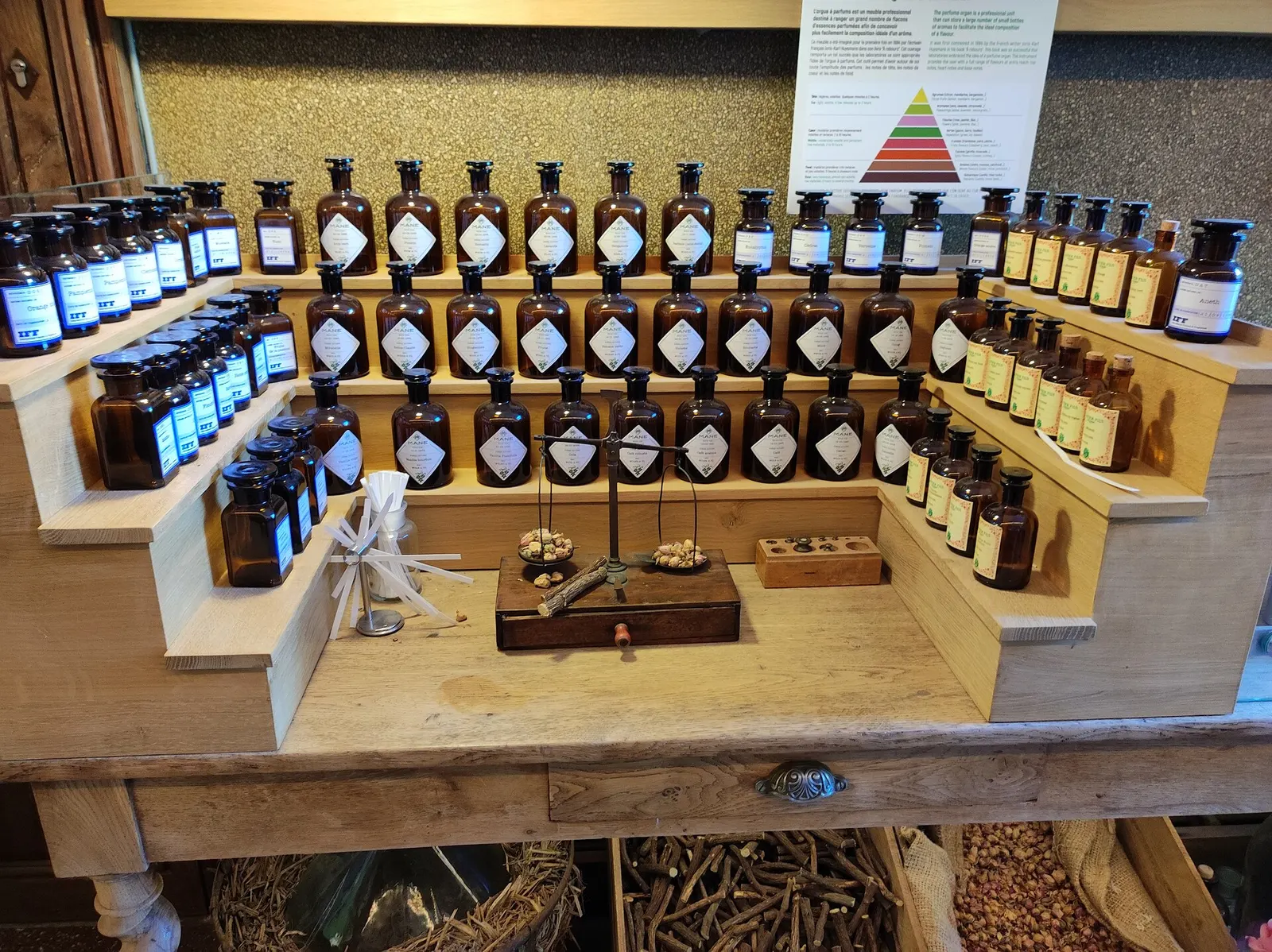
Les Anis de Flavigny
Aniseed sweets made in a Benedictine abbey, with a Carolingian crypt beneath the workshops.
5 km away - Heritage site
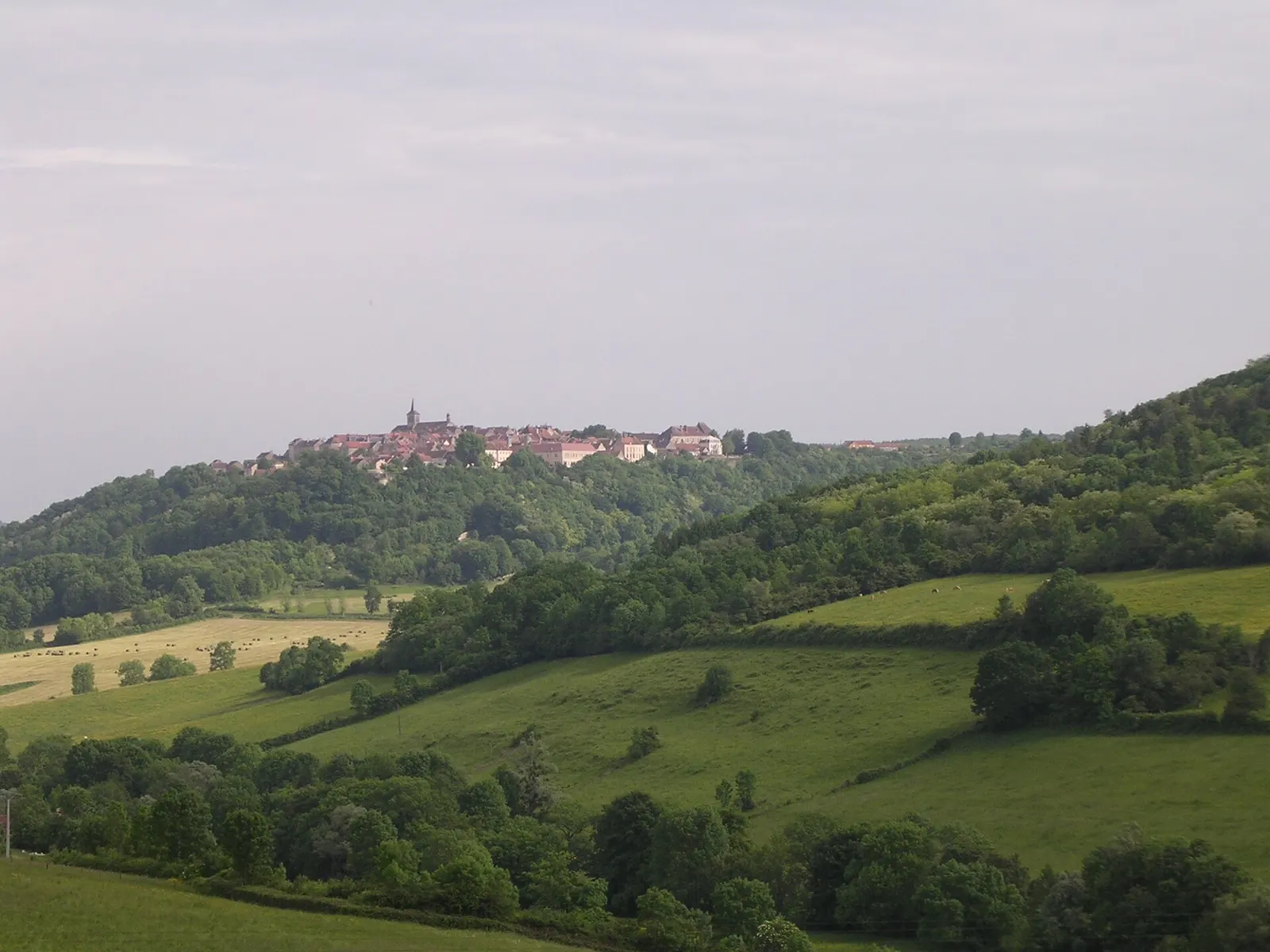
Flavigny-sur-Ozerain
A walled hilltop village of stone lanes, medieval gates and aniseed sweets, facing the Alésia battlefield.
5 km away - Abbey or church
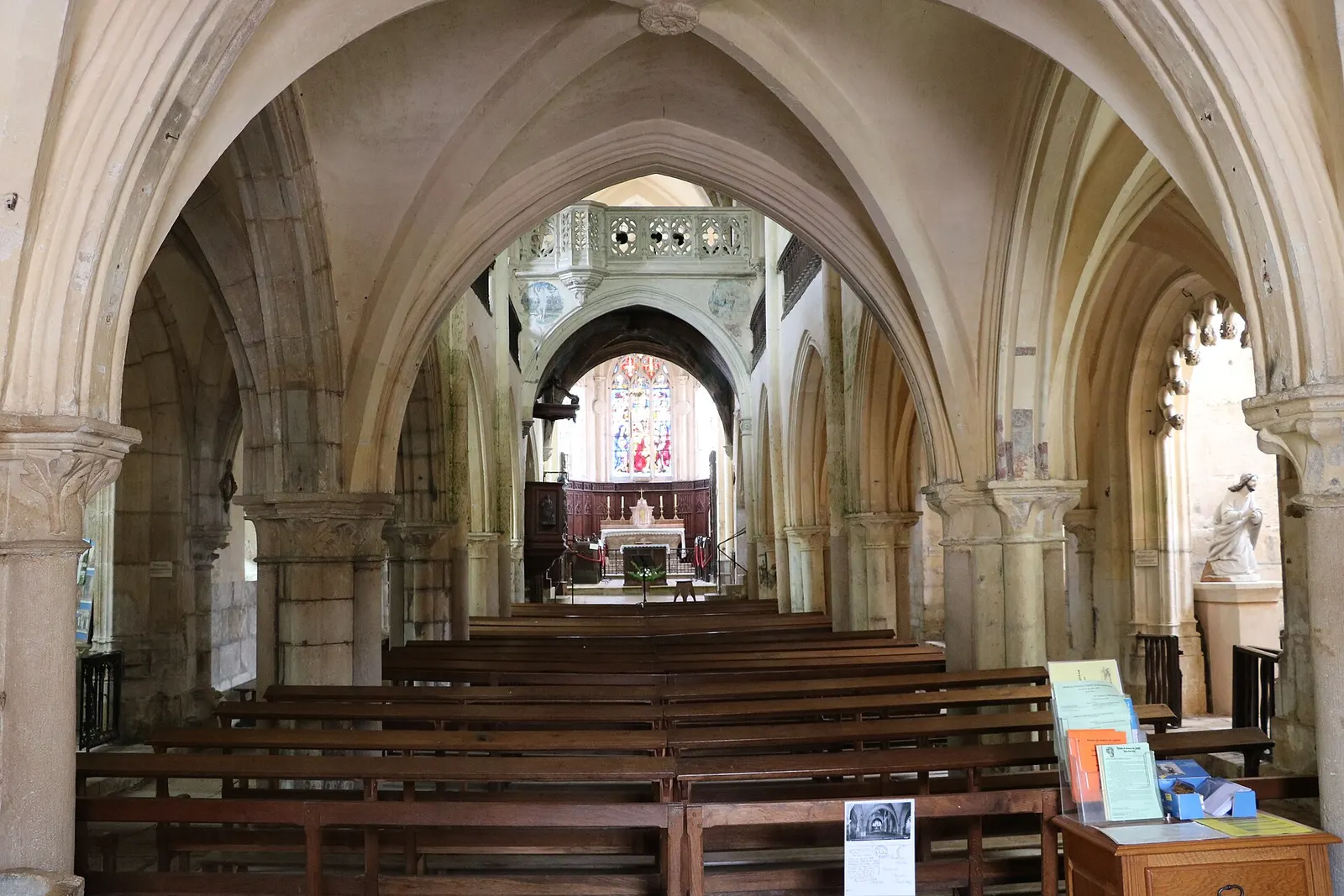
Église Saint-Genest de Flavigny-sur-Ozerain
Galleries on two levels, a carved Gothic tribune and a hundred statues, in the heart of walled Flavigny.
5 km away
Guides about MuséoParc Alésia
Questions
MuséoParc Alésia is about 1 h 10 from Beaune by road (81 km). The fares for the car are under “Getting there”, above.
Did you know? The Vercingetorix statue is hollow, made of beaten copper sheets over a metal frame, like the Statue of Liberty. Its face is said to resemble that of Napoleon III, who commissioned it.
Sources
MuséoParc Alésia with a private driver
A fixed fare for the car · 1–4 guests · tolls and parking included