History
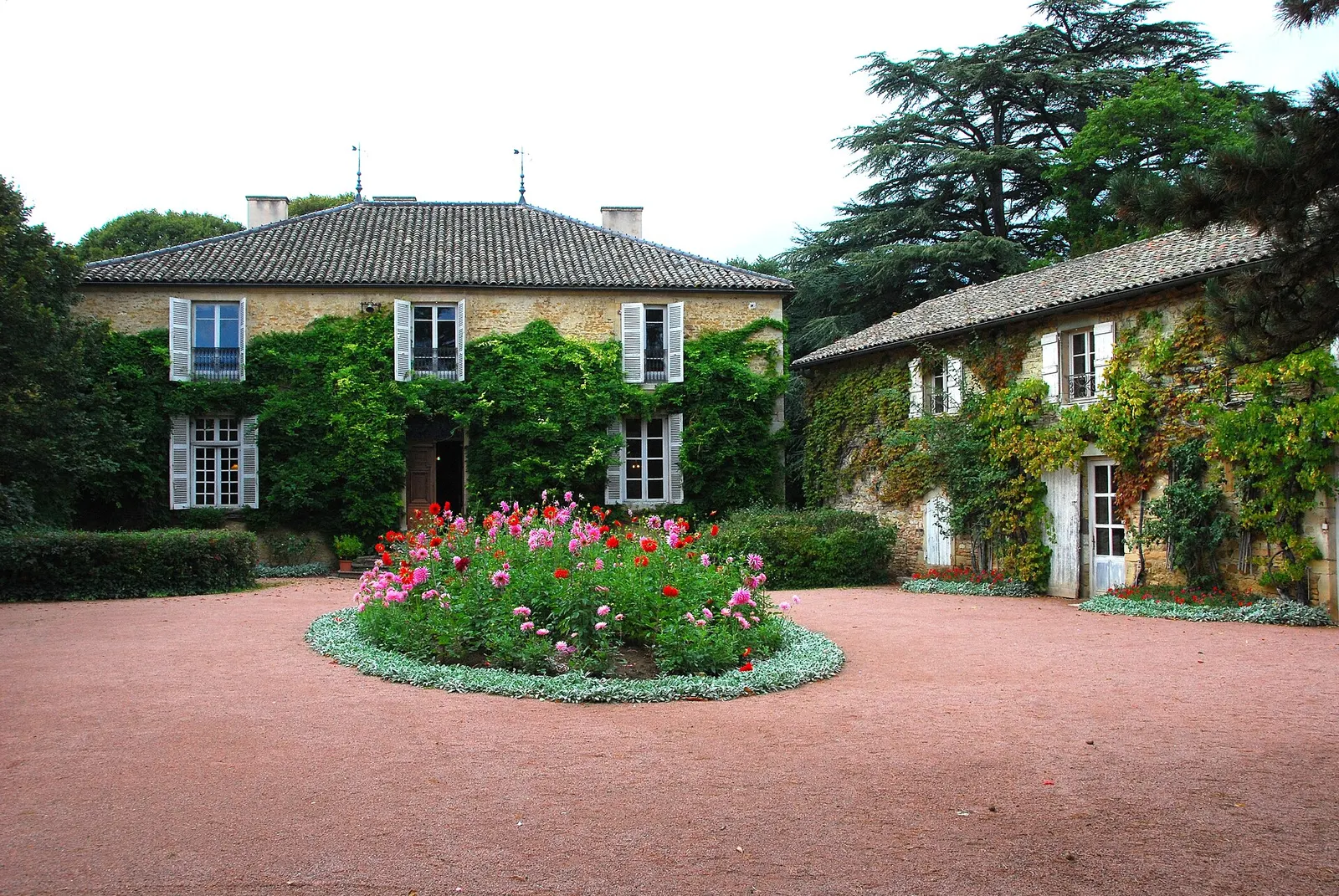
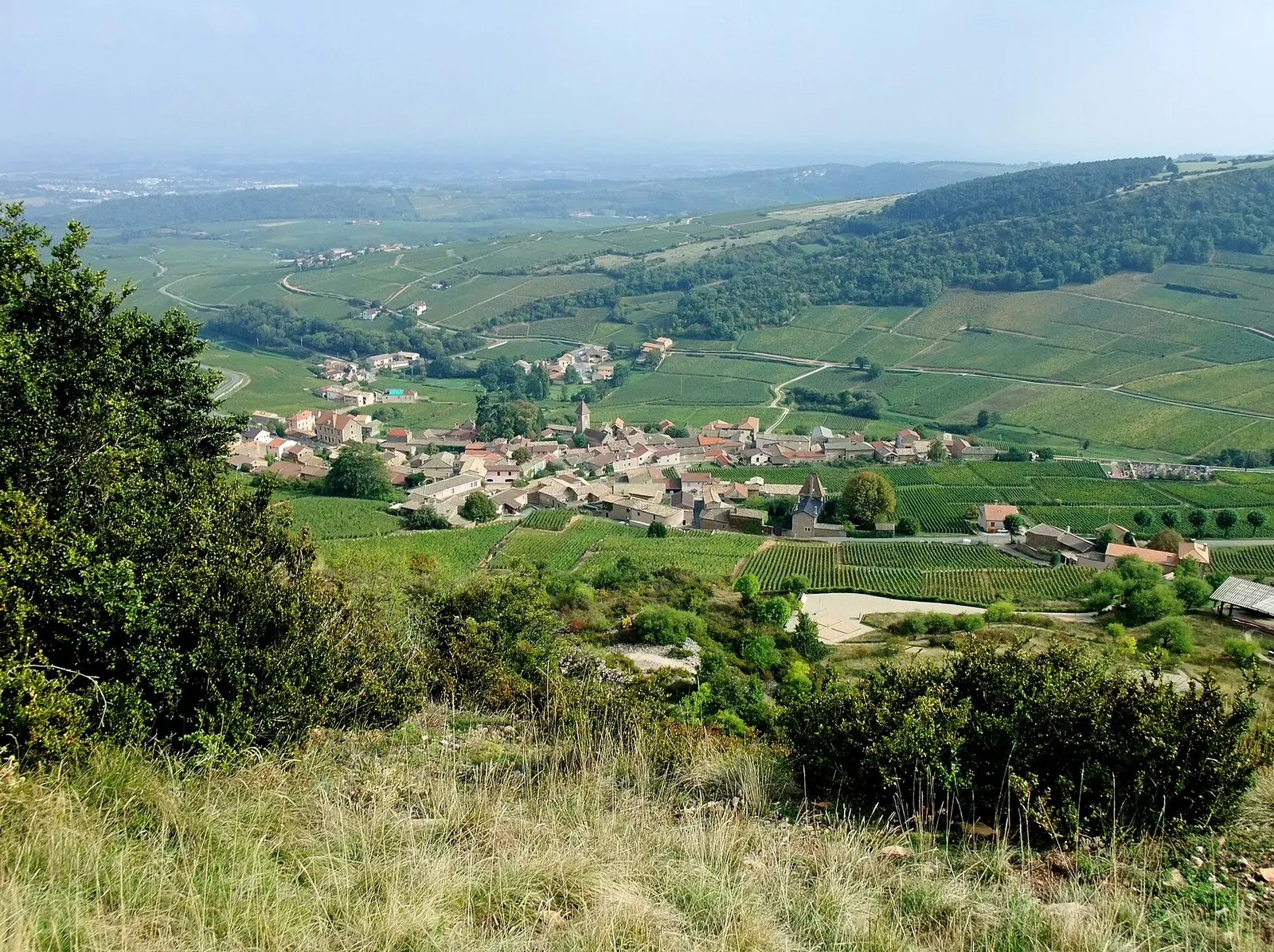
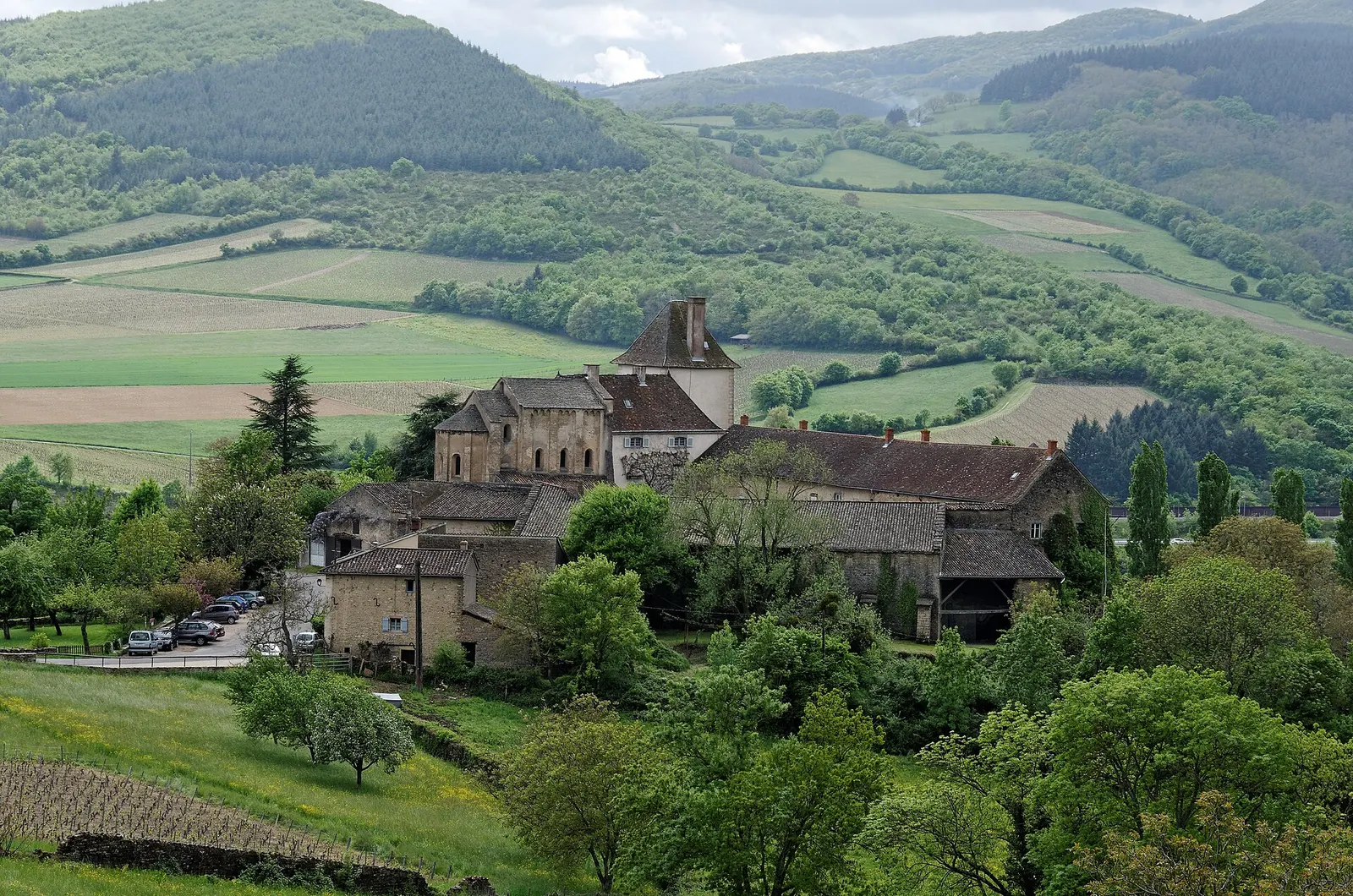
The house was built in 1705 by one of Lamartine's ancestors, at the heart of a wine estate of about fifty hectares, and it first served as a harvest house. Alphonse, born in Mâcon in 1790, spent a simple and happy childhood here, deeply marked by the personality of his mother. The place shaped both his poetry and his later political commitment.
Lamartine became the owner of Milly in 1830 and came back every year to watch over the harvest and revisit his memories. He celebrated the house in the poem Milly ou la terre natale. Burdened by debt, he had to sell it in 1860, calling it the marrow of his bones. He asked for a buyer who would respect the place, and that buyer's family has cared for it ever since.
Architecture
The Maison de Lamartine is a country house rather than a castle, built as the centre of a wine estate. The main house and its outbuildings stand on either side of a courtyard entered through a gateway, and their façades, roofs and gate are listed as a historic monument. Inside, the rooms evoke the familiar, rustic world of the poet's childhood, and a garden surrounds the house.