History
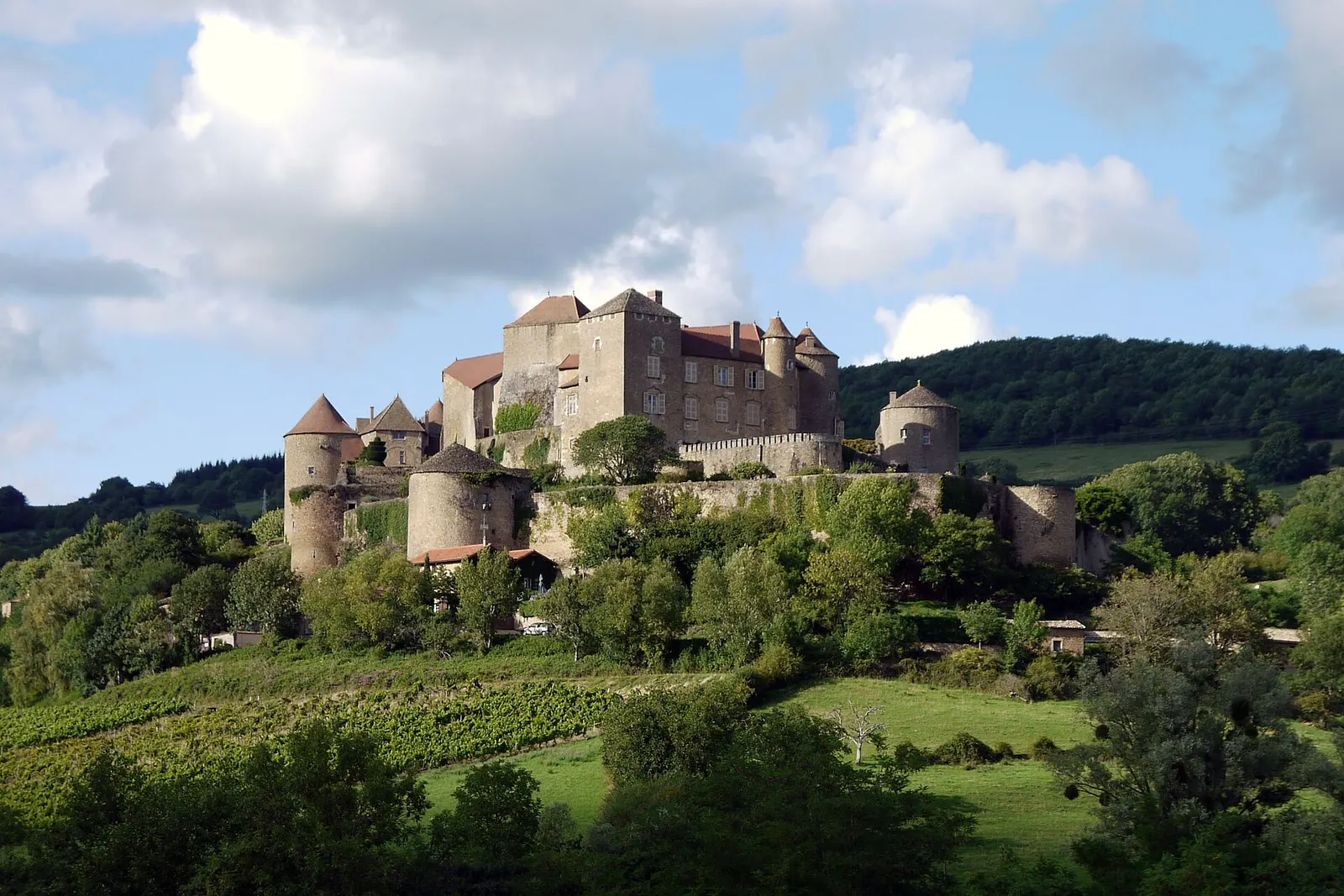
A castrum at Berzé is recorded in 991 in a charter of Cluny, with a wooden keep and a Carolingian stone chapel. The lords of Berzé formed the oldest barony of the Mâconnais and were direct vassals of the king of France. Hugues de Berzé, a trouvère and crusader, is buried at Tournus. In 1229 a loan from Cluny allowed the lord of Berzé to turn the castle into a great fortress.
Berzé became the main defensive castle of Cluny. Given to the Burgundians in 1417, it was taken by the Armagnacs in 1420 and recaptured by Philip the Good four years later. It resisted Louis XI in 1471, but in 1591 a Catholic League army of 1,100 men took it after a two-month siege. The fortress was then left abandoned for nearly two centuries.
Declared national property at the Revolution, the ruined castle returned to private hands in 1817. Its new owners and their descendants, the Thy de Milly family, repaired the roofs and floors, enlarged the windows in a romantic spirit and turned the terraces into gardens. They opened the fortress to the public, and the family also runs a wine estate on the surrounding slopes.
Architecture
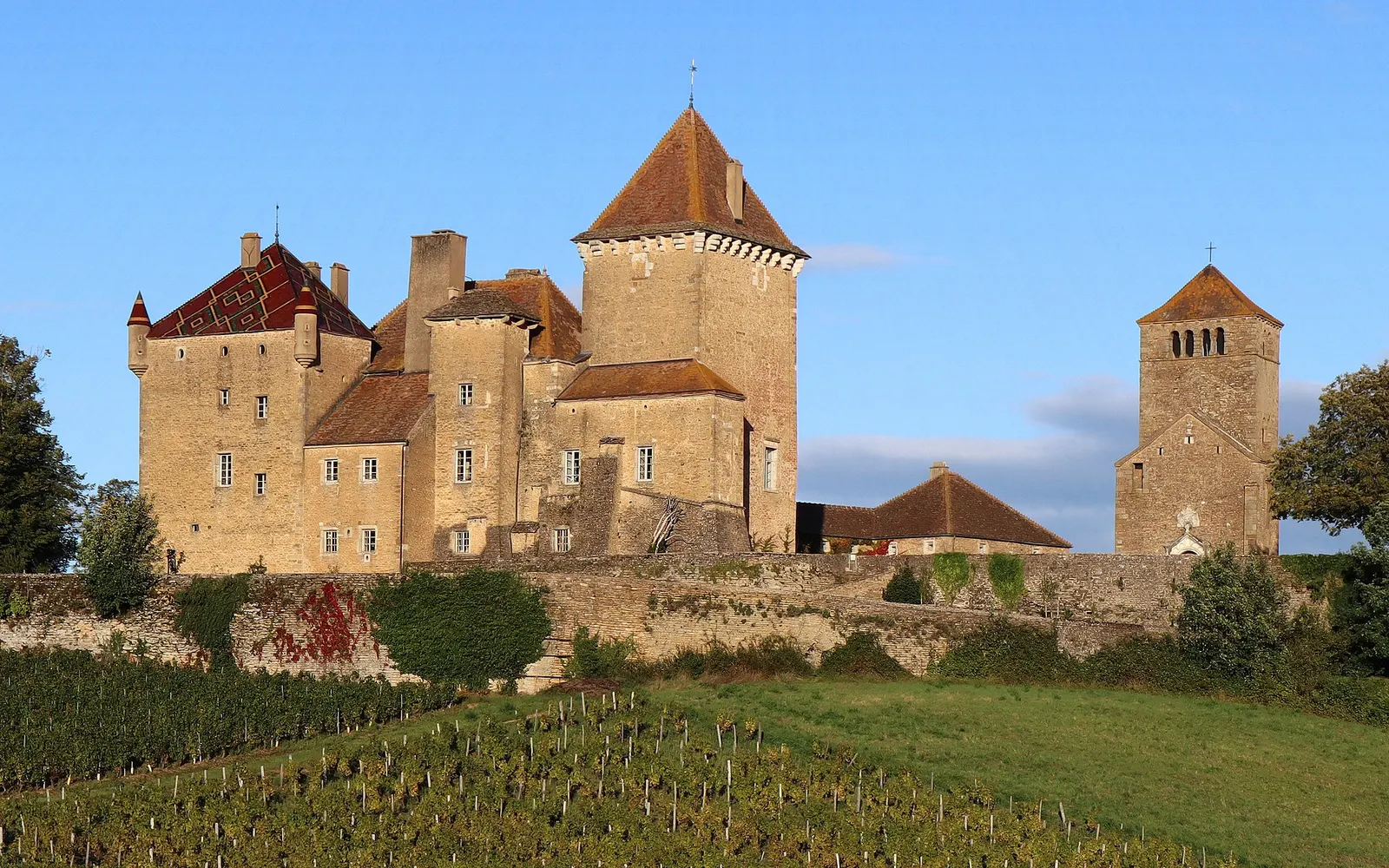
The fortress climbs in terraces behind three successive walls more than 300 metres long and up to three metres thick at the base. Thirteen towers survive, with two keeps and a powerful gatehouse with a portcullis. Inside are the lord's lodging, medieval rooms, early chapels and a well cut 36 metres into the rock. Gardens fill the spaces between the walls.