History
In 1113 Stephen Harding, abbot of Cîteaux, sent the monk Philibert and a few brothers to found the order's first daughter-house here, between the forest of Bragny and the Grosne marshes. Gifts from the ducal court and local lords, especially the Gros de Brancion, soon made it rich. With Pontigny, Clairvaux and Morimond, La Ferté became one of the four elder daughters of Cîteaux.
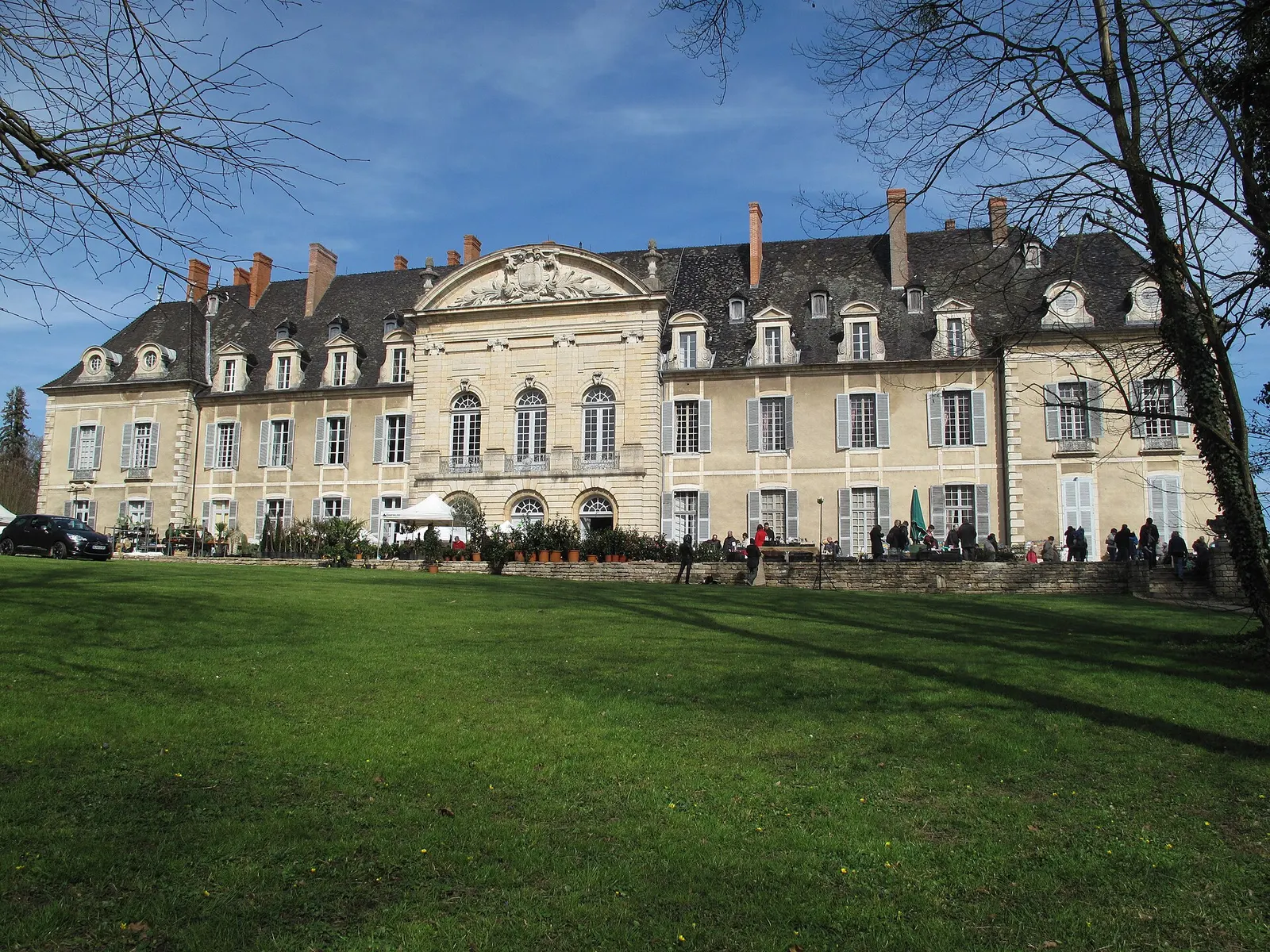
The abbey was fortified in 1415, yet in 1570 Protestant troops under Admiral Coligny set it on fire. Rebuilding took decades. In 1682 Abbot Claude Petit built the abbot's lodging and the cloister, and around 1760 Abbot Filzjean de Chemilly added the central frontispiece bearing his arms. The last abbot had the interiors redecorated by the Chalon architect Rameau, with work by the sculptor Guillaume Boichot.
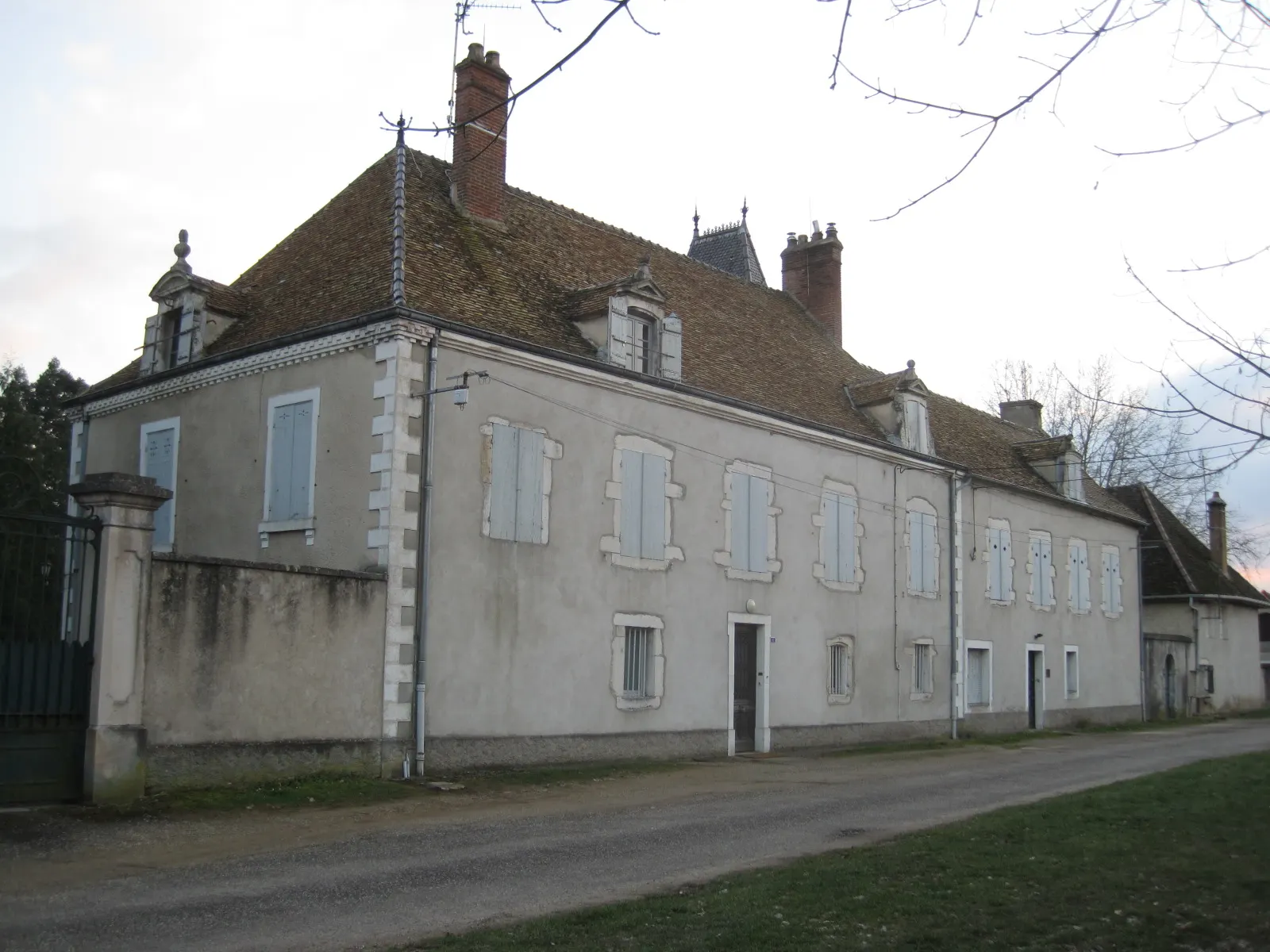
At the Revolution only fourteen monks remained, and some buildings housed a cotton mill. The abbey was sold in 1791, and the church and most of the monastery were demolished. The abbot's palace survived and became the Château de la Ferté. In the 20th century it came to Baron Thénard, a descendant of the chemist Louis Jacques Thénard, and it was classified in 1993.
Architecture
The abbot's palace is a long classical building of the late 17th and 18th centuries. A two-storey central block of three bays carries a pediment, flanked by wings of four bays under mansard roofs and corner pavilions. Inside, a vast staircase leads to salons with carved panelling and original furniture. The monks' refectory survives, and a gallery displays scientific instruments from the 19th century.