History
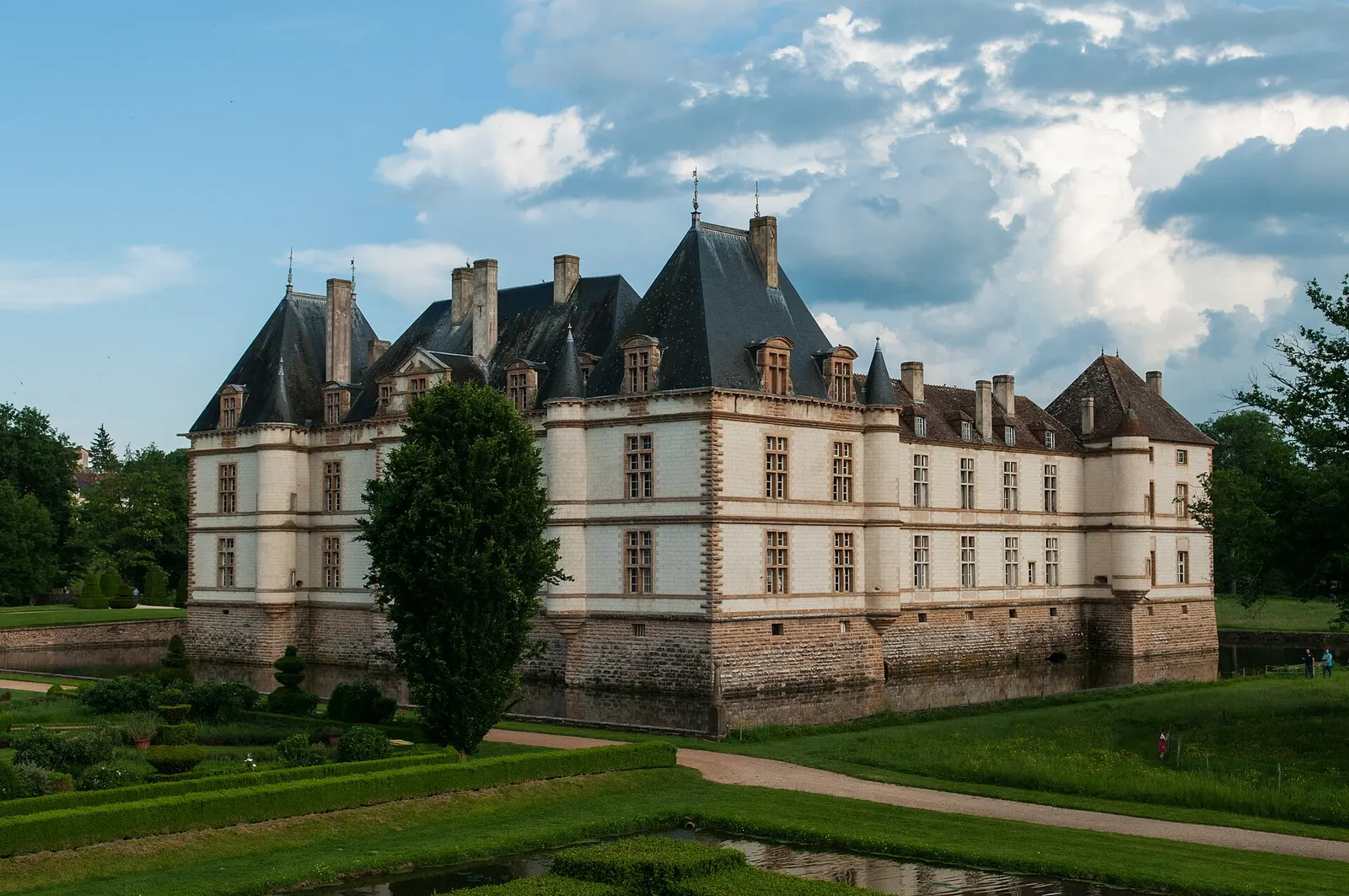
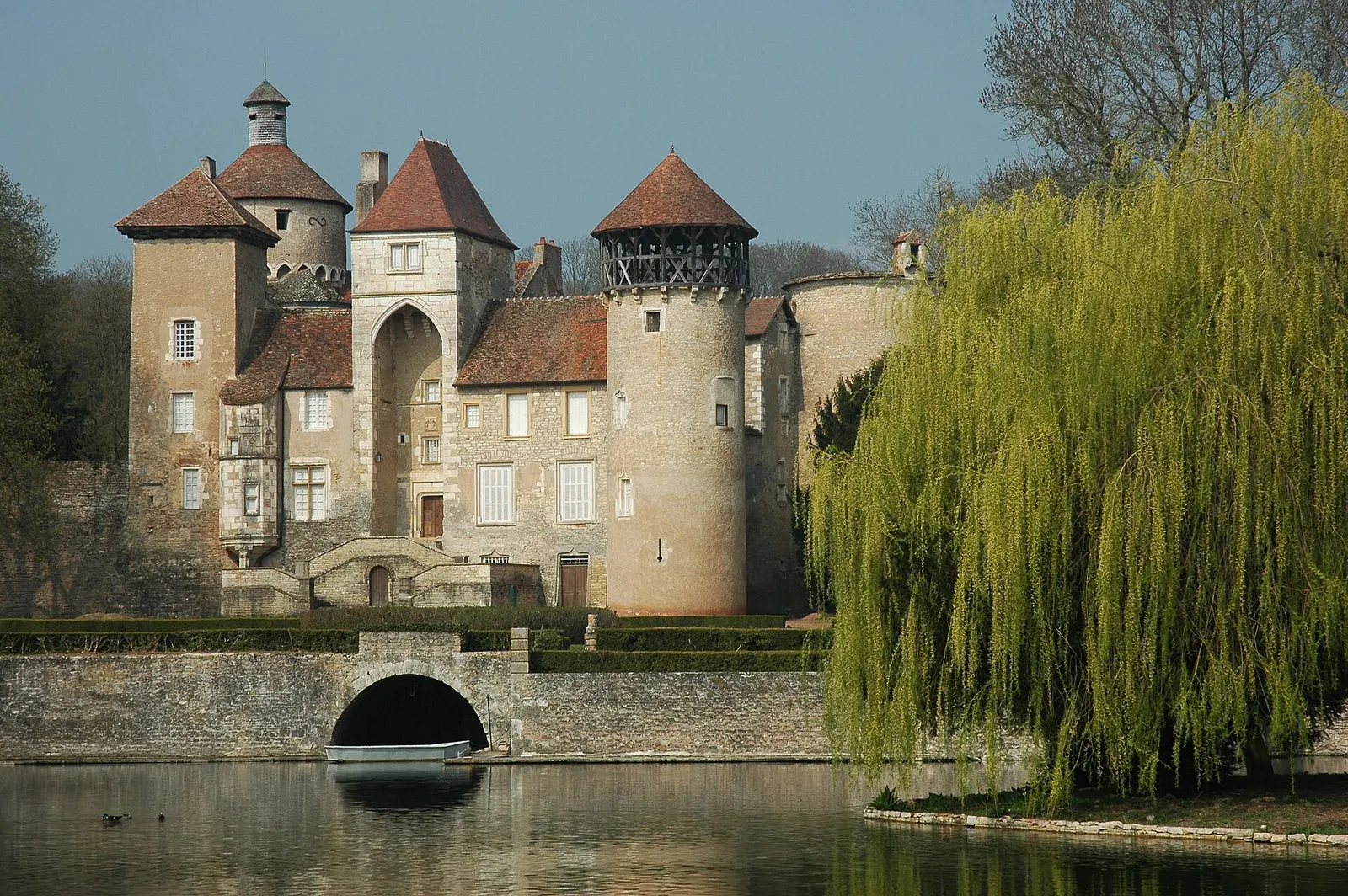
In 1280 Henri du Blé built a fortified house here to control the road to Cluny along the Grosne. His descendant Antoine du Blé grew rich and powerful during the Wars of Religion, first for the Catholic League and then for Henri IV, who made him governor of Chalon. From 1606 he replaced the old fortress with a new château whose military façades echoed the citadel of Chalon.
His son Jacques, a close friend of Queen Marie de Médicis, finished the north wing around 1626 and had it decorated lavishly in 1627 and 1628. Made a marquis in 1618, he was killed at the siege of Privas in May 1629, and his widow stopped all work. Later generations rarely lived here, although Marshal Nicolas du Blé was exiled to Cormatin by the Regent.
In the 19th century Lamartine was a frequent guest, and in 1847 he gathered his political friends here to draft a republican programme. In 1898 Raoul Gunsbourg, director of the Monte-Carlo Opera, bought Cormatin and staged summer operas in front of the château with singers such as Caruso. After decades of neglect, three friends bought the partly ruined château in 1980 and have restored it ever since.
Architecture
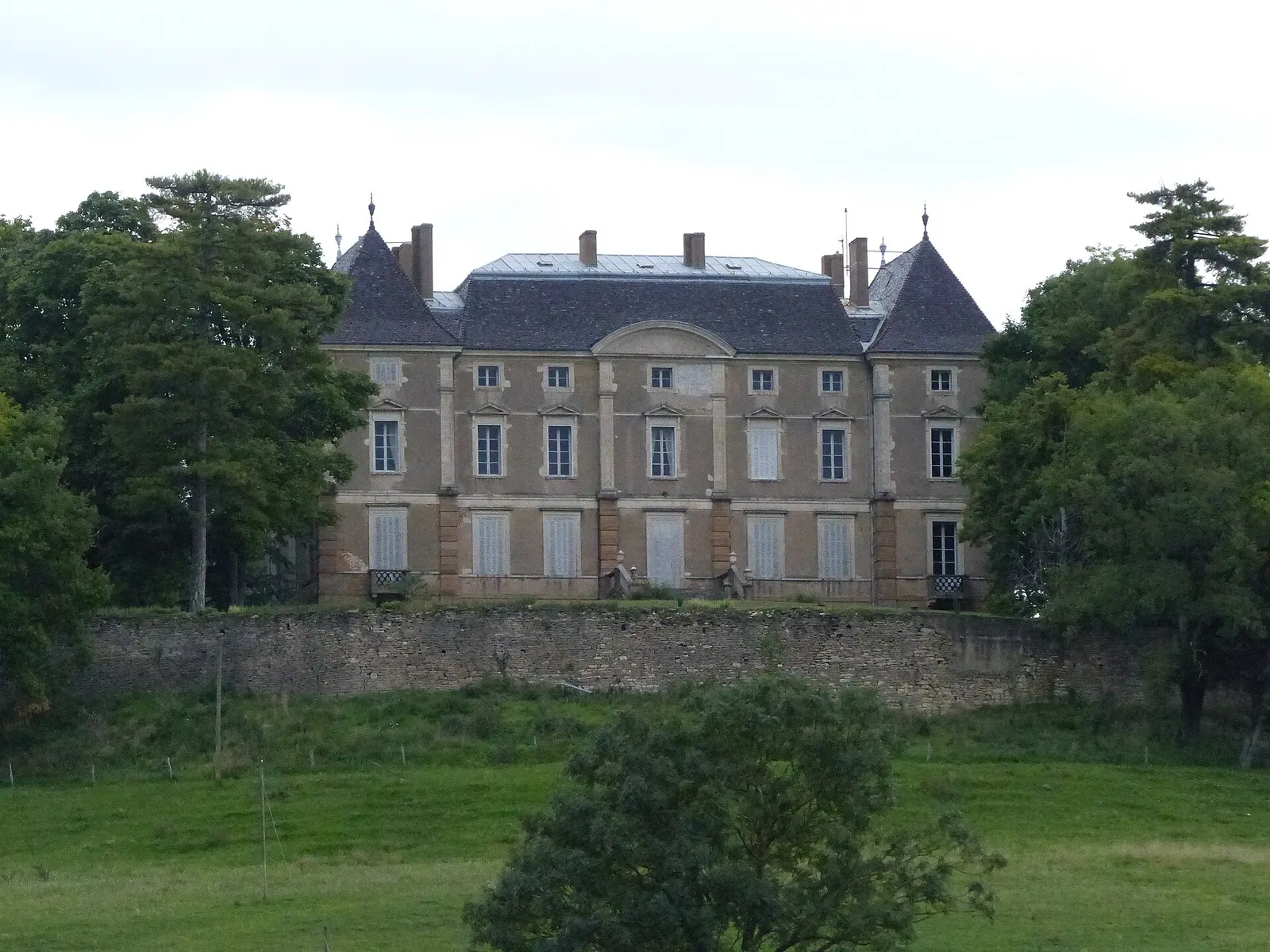
Three wings once formed a horseshoe closed by a rampart with a drawbridge, and great pavilions guard the outer corners. The façades, with rusticated bases and corner turrets, keep a military look. The north wing, inspired by the Luxembourg Palace in Paris, holds the grand staircase of 1624, about 20 metres high and built around an open central well, with balusters copied from the Luxembourg.