What you will see
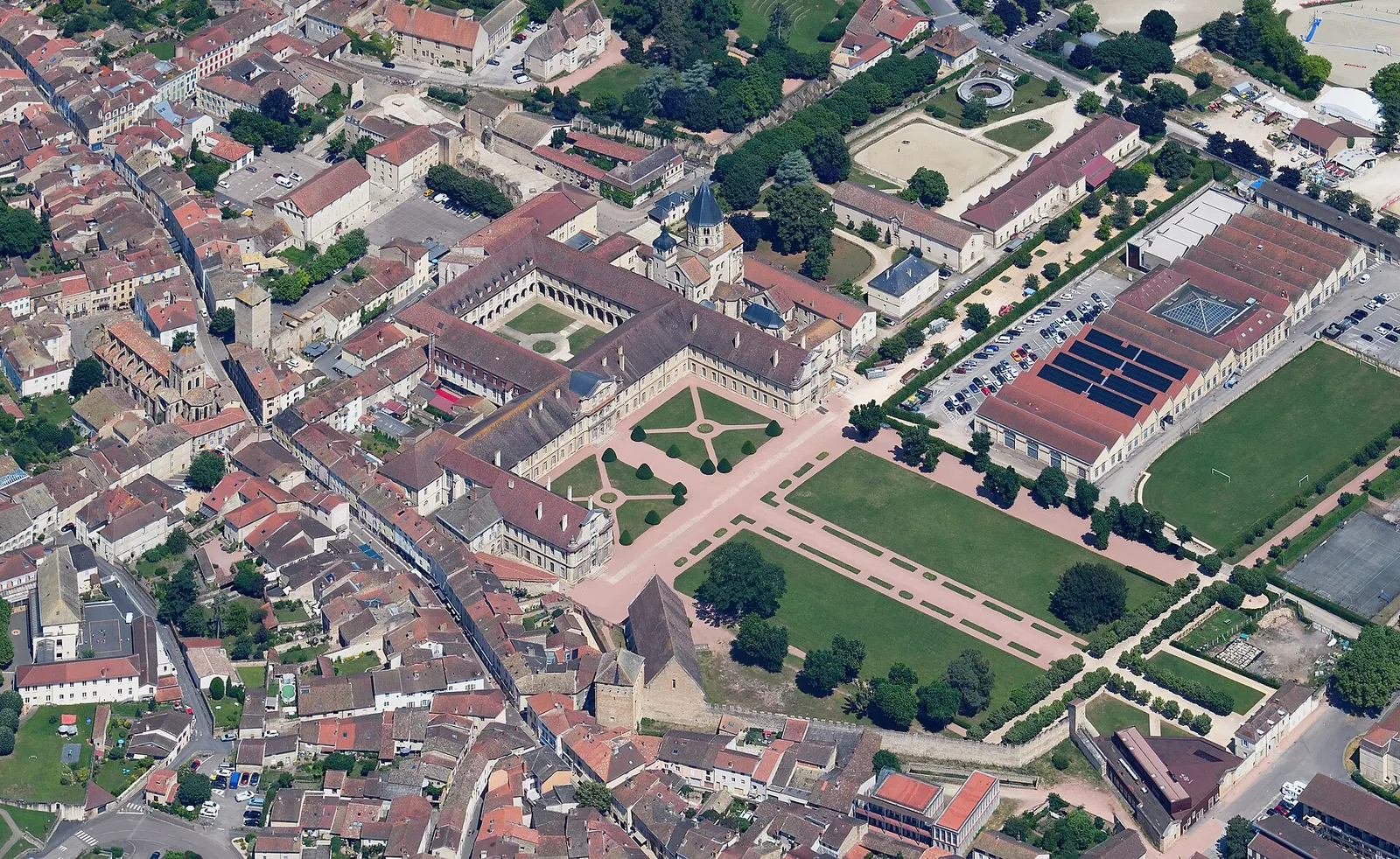
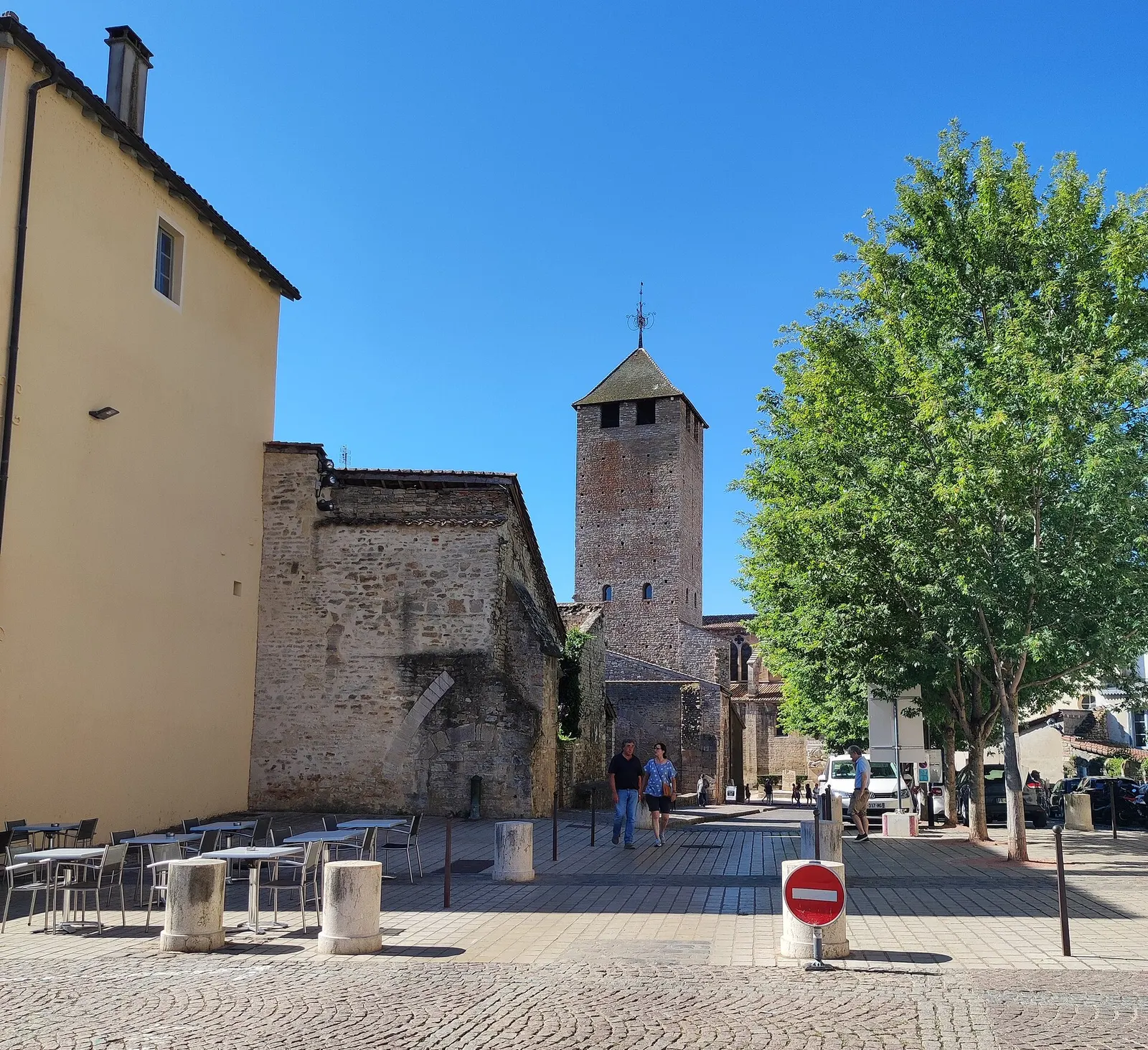
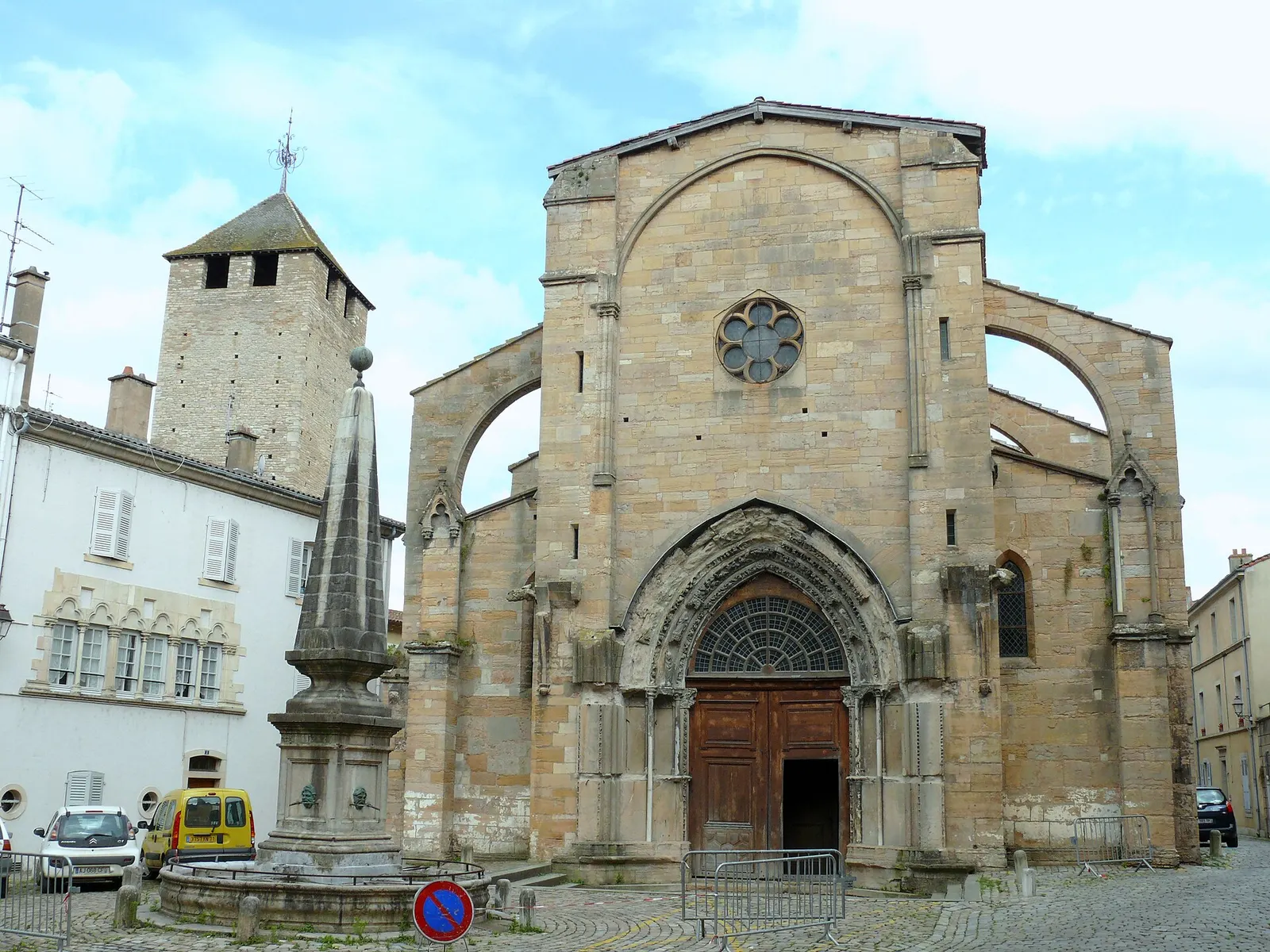
The visit uses a 3D model, a film and augmented-reality terminals to rebuild the vanished church around you. Then stand in the south arm of the great transept, nearly 30 metres high, beneath the octagonal Holy Water bell tower, the only one left of four. Walk through the vast 18th-century cloister, and see the 13th-century Farinier, whose oak roof frame shelters eight capitals from the choir of Cluny III.
History
On 11 September 910, William the Pious, Duke of Aquitaine and Count of Mâcon, gave a Carolingian estate by the river Grosne to found a Benedictine abbey. He placed it directly under the protection of the Pope, independent of local lords and bishops, and chose Berno as first abbot. Under abbots such as Odo, Odilo and Hugh of Semur, Cluny reformed monasteries across Europe and built up a vast network of priories.
In 1088 Abbot Hugh launched a third church, known as Cluny III or the Maior Ecclesia. Its vaults rose above 30 metres, and for nearly four centuries it was the largest church in the Christian West, until St Peter's in Rome overtook it in the 16th century. In 1095 Pope Urban II consecrated its high altar. The monastic buildings were entirely rebuilt in the 18th century, only a few decades before the monks left.
At the Revolution the abbey was sold, and from 1798 the great church was demolished and used as a stone quarry; its facade was blown up in 1810. Less than a tenth of Cluny III survives. Since 1901 part of the site has housed a campus of the Arts et Métiers engineering school, and today the Centre des monuments nationaux looks after the abbey and its museum.