What you will see
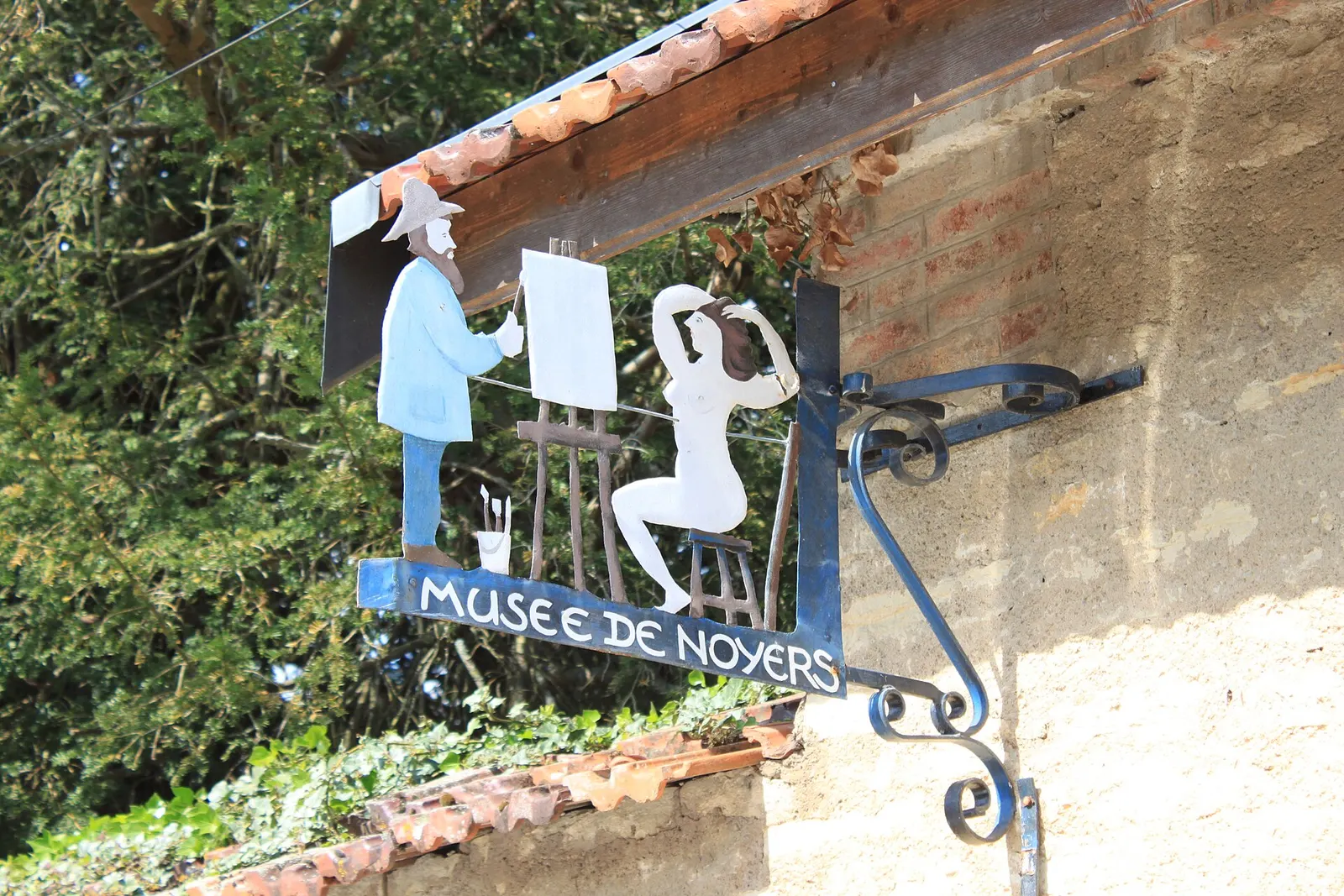
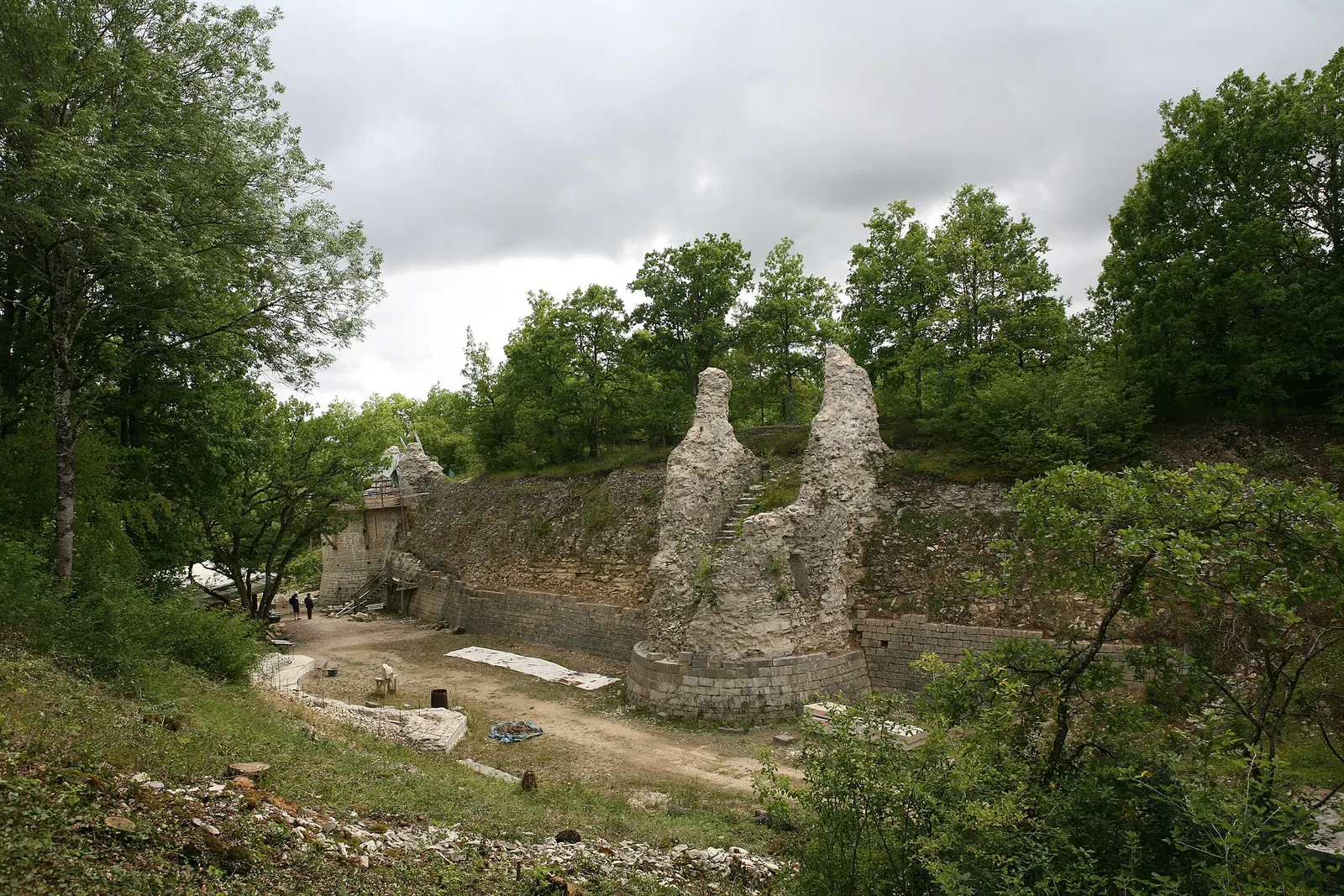
Start with the naive paintings of the Yankel donation, then the canvases of Kikoïne. The popular art rooms show wooden, papier-mâché and tin toys, religious images, whistles and ex-votos in wax and silver from southern Europe, Asia and Latin America, presented as works of art. One room is given to lithographed tin boxes from Serge Moreau's collection. Elsewhere you find the founder's cabinet of curiosities, archaeology from the castle and the village, and Hokusai's albums of drawings.
History
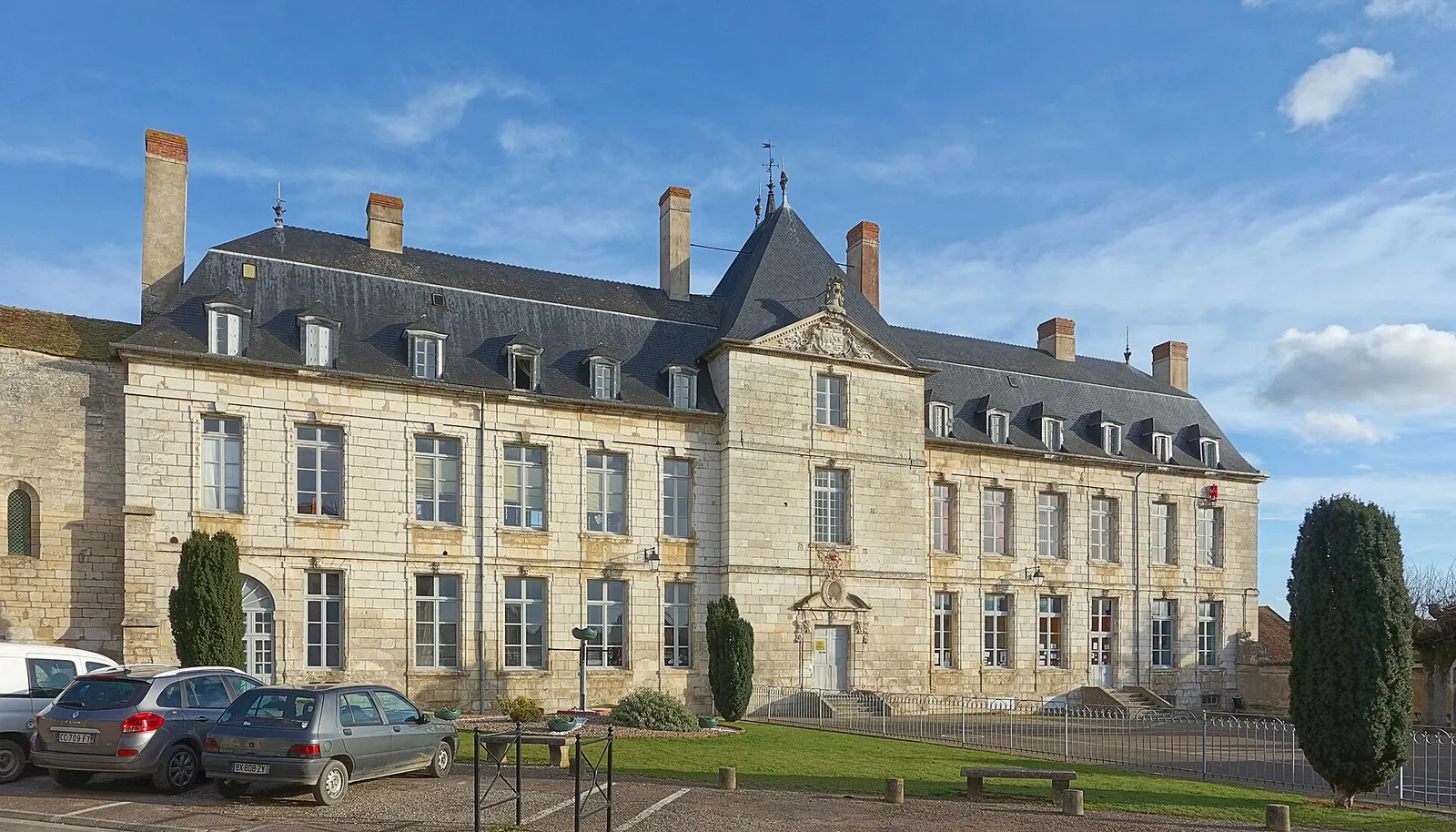
When he died on 18 July 1876, the scholar Jean-Étienne Miltiade Simonnet de Bresse de Préfontaine left all his property to Noyers to found a museum and a library, and the museum opened in 1881 in the former collège. It still shows his collections of paintings, furniture, engravings, casts and medals. In 1920 a navy doctor and traveller, Dr Soupey, gave it a set of albums of the Manga by the Japanese artist Hokusai, published between 1814 and 1848.
The museum was reborn in 1987, when the painter Jacques Yankel, son of the School of Paris painter Michel Kikoïne, gave about a hundred naive paintings, where anonymous artists hang beside masters such as Bombois, Bauchant, Nikifor and Vivin. Deposits followed, among them anti-fascist works by Déchelette in 2001 and sixty naive canvases from Jean-Marc Luce's collection in 2005. Around 120 ex-votos and a large gift of popular art collected by Jacqueline Selz and Yvon Taillandier complete the collections. The museum holds the Musée de France label, and 2026 marks 150 years since the founder's bequest.