History
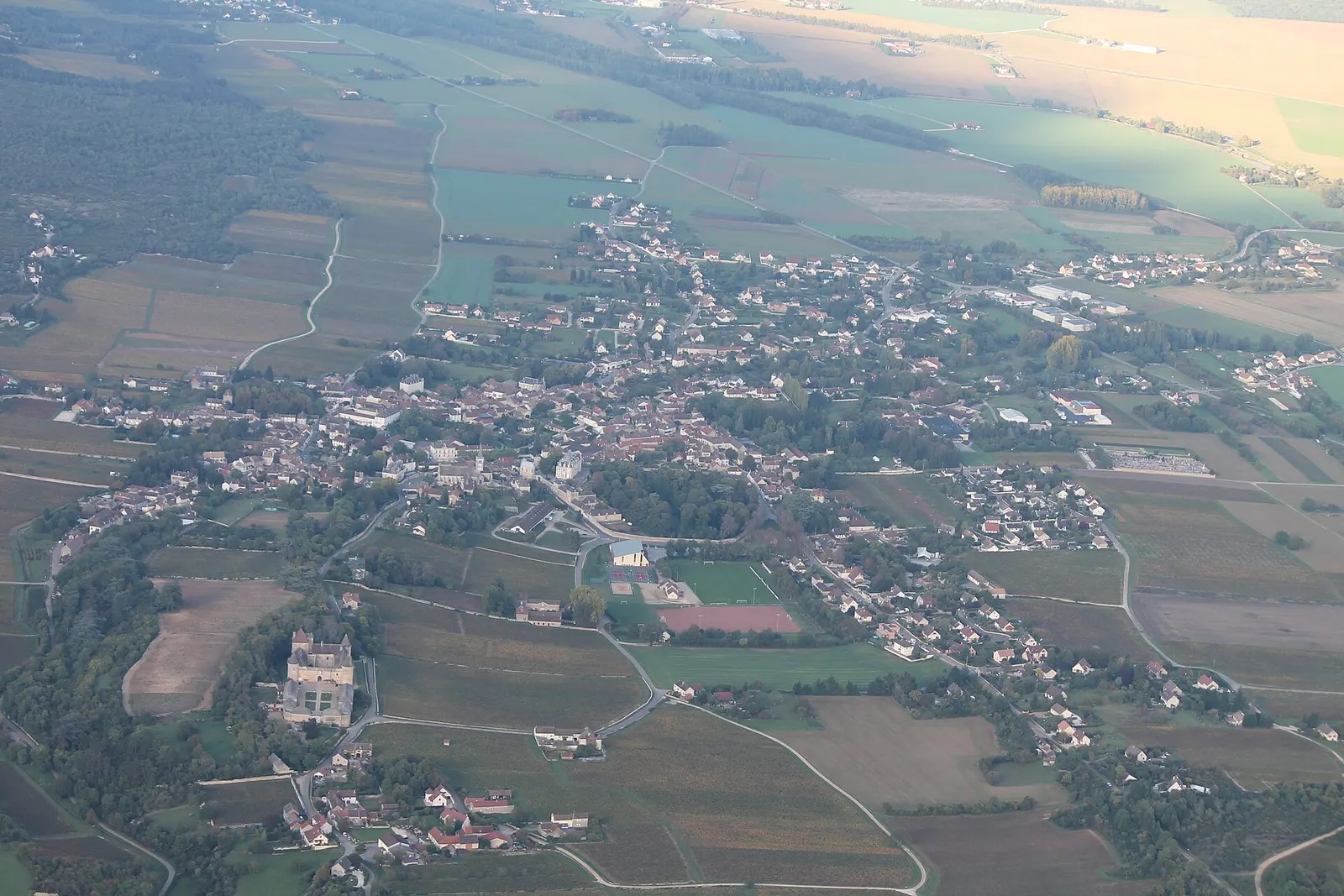
Lords who took their name from Germolles held the site from the 13th century. Their fortified house, whose vaulted cellar and low chapel still survive, stood at the centre of a growing estate. The last of the line fell into debt, and around 1380 Philip the Bold, first Valois duke of Burgundy, took the property. He gave it almost at once to his wife, Margaret of Flanders.
Margaret made Germolles her favourite country home and called in the artists of the ducal court. The master mason Drouet de Dammartin reshaped the buildings, while the sculptors Jean de Marville and Claus Sluter and the painter Jean de Beaumetz worked on the decoration. The duchess also ran the estate as a model farm, with a large rose garden and a sheepfold. King Charles VI stayed here in February 1389.
After the death of Charles the Bold in 1477 the estate passed to the French crown, which pledged it to a series of families. It was sold as national property during the Revolution, and parts of the building were lost through neglect and fire. Bought at the end of the 19th century, Germolles has remained in the same family ever since and has welcomed visitors since 1970.
Architecture
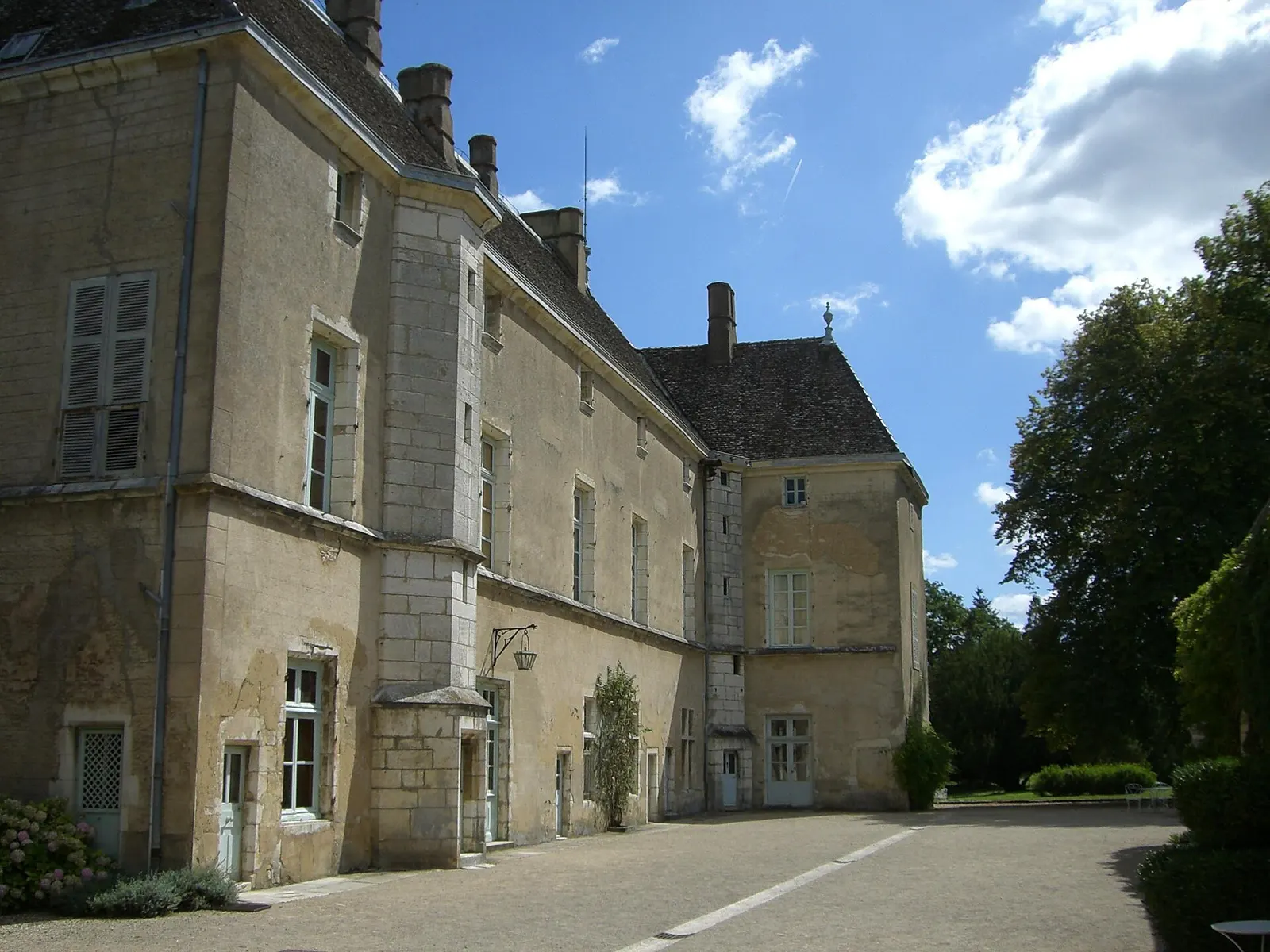
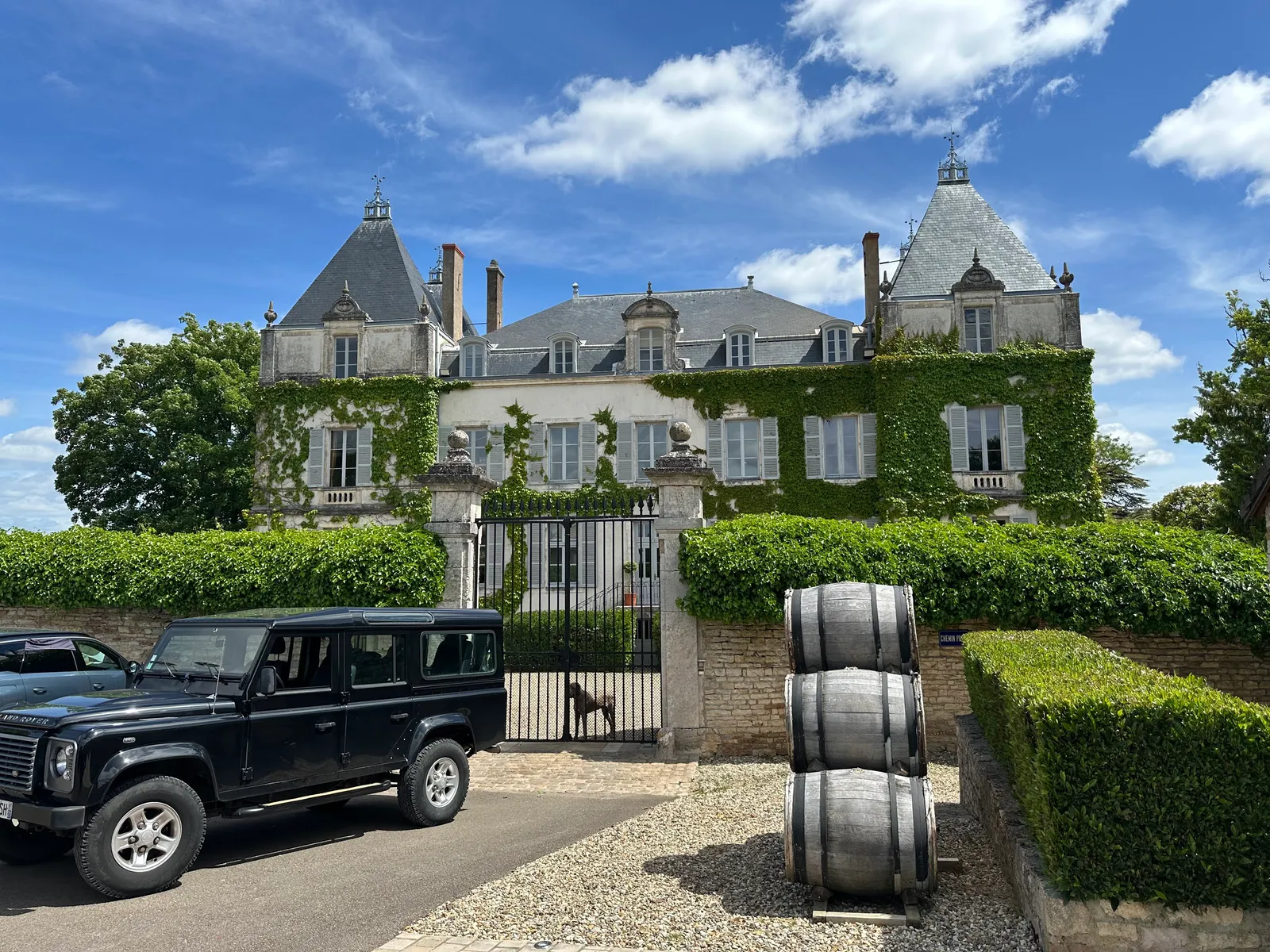
Germolles shows how a 13th-century stronghold became a palace. The vaulted cellar and the low chapel mix late Romanesque and early Gothic carving. A wide spiral staircase greets visitors, and the main lodging keeps tall windows, Gothic fireplaces and rare wall paintings from the end of the 14th century. In one small room the initials P and M, for Philip and Margaret, still run across the walls among painted thistles.