What you will see
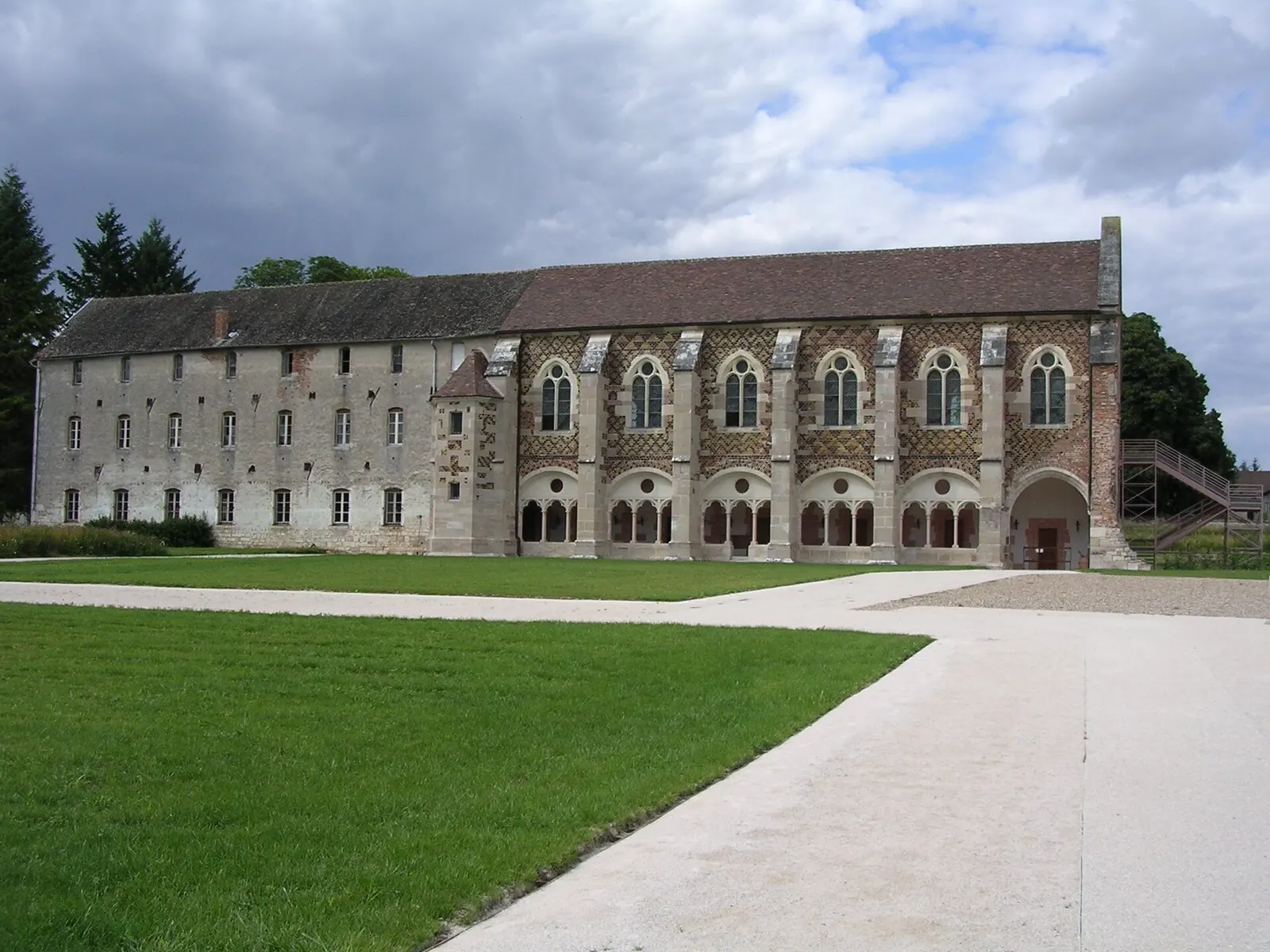
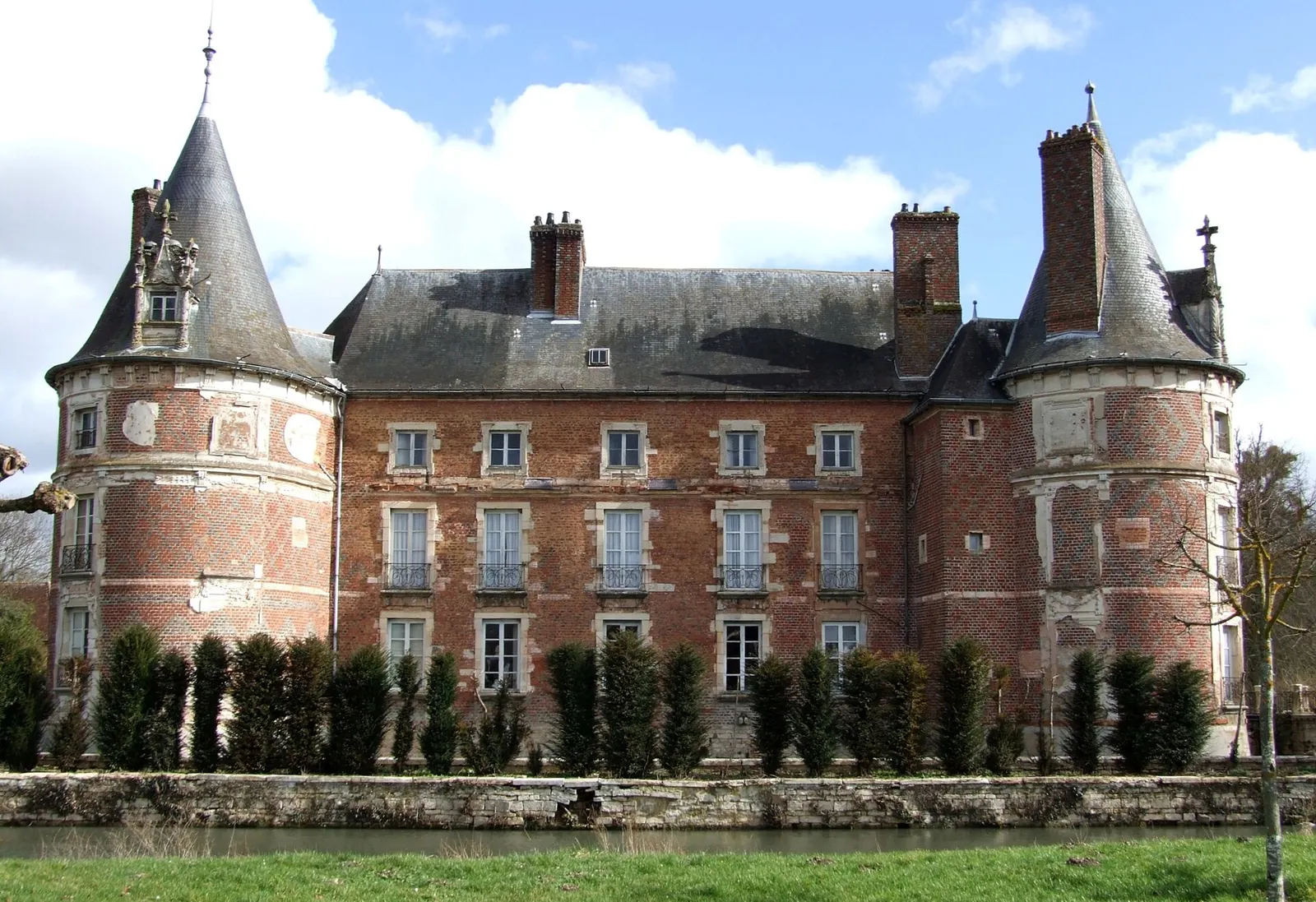
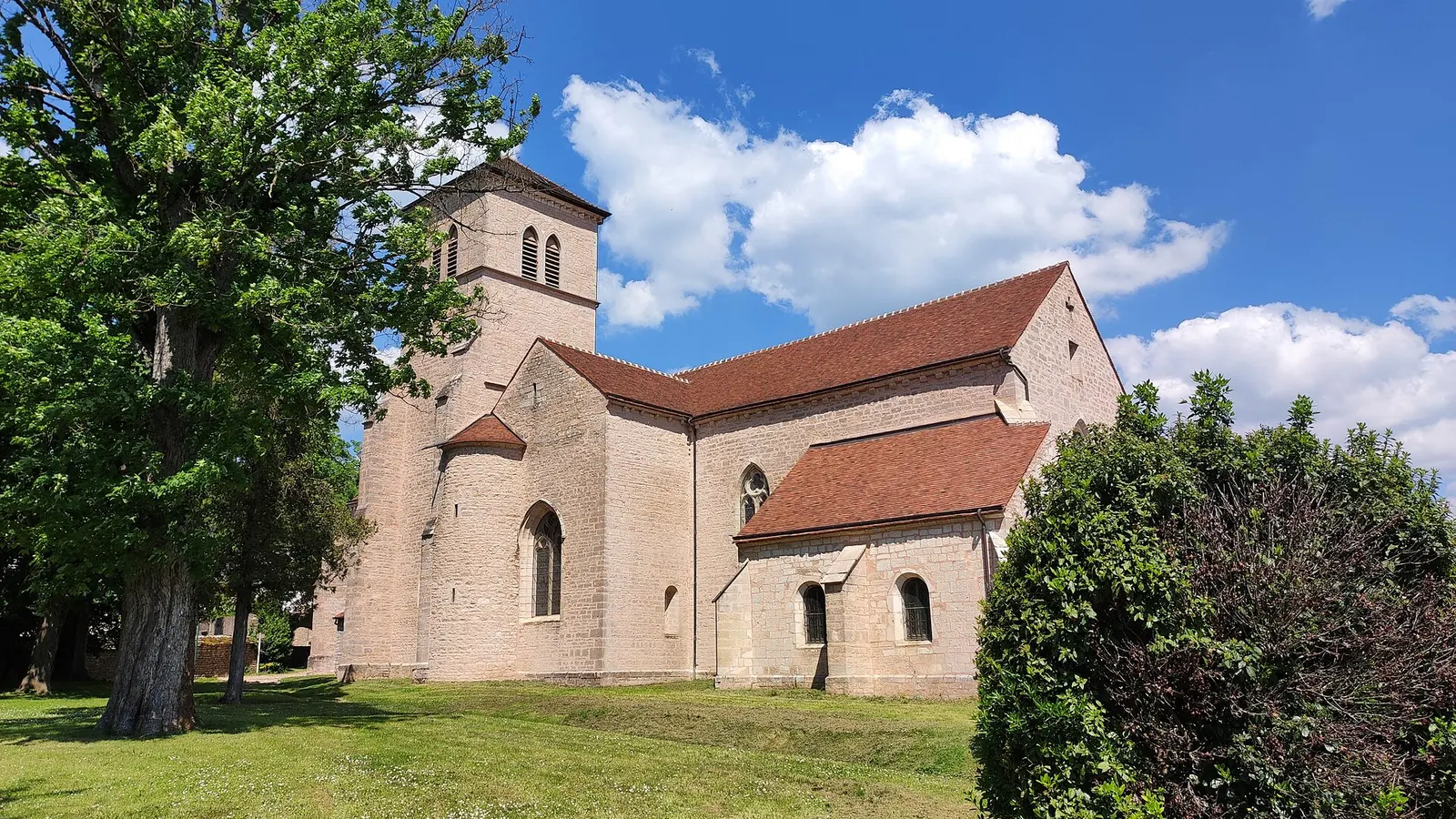
The guided tour takes you through the oldest surviving parts of the abbey. You see the restored copyists' cloister and the 15th-century library, then the 17th-century novitiate and definitory, left unrestored. Exhibitions cover 12th-century illuminated manuscripts, bookbinding, the monks' day and the way the order was governed. A film presents monastic life at Cîteaux today. The shop sells Cîteaux cheese, made at the abbey.
History
On 21 March 1098, Robert of Molesme and about twenty monks settled here, seeking a stricter life under the Rule of Saint Benedict. The early years were hard. Things changed when the young Bernard, later Saint Bernard of Clairvaux, arrived around 1112 with some thirty companions. Between 1113 and 1115 Cîteaux founded its four great daughter abbeys: La Ferté, Pontigny, Clairvaux and Morimond.
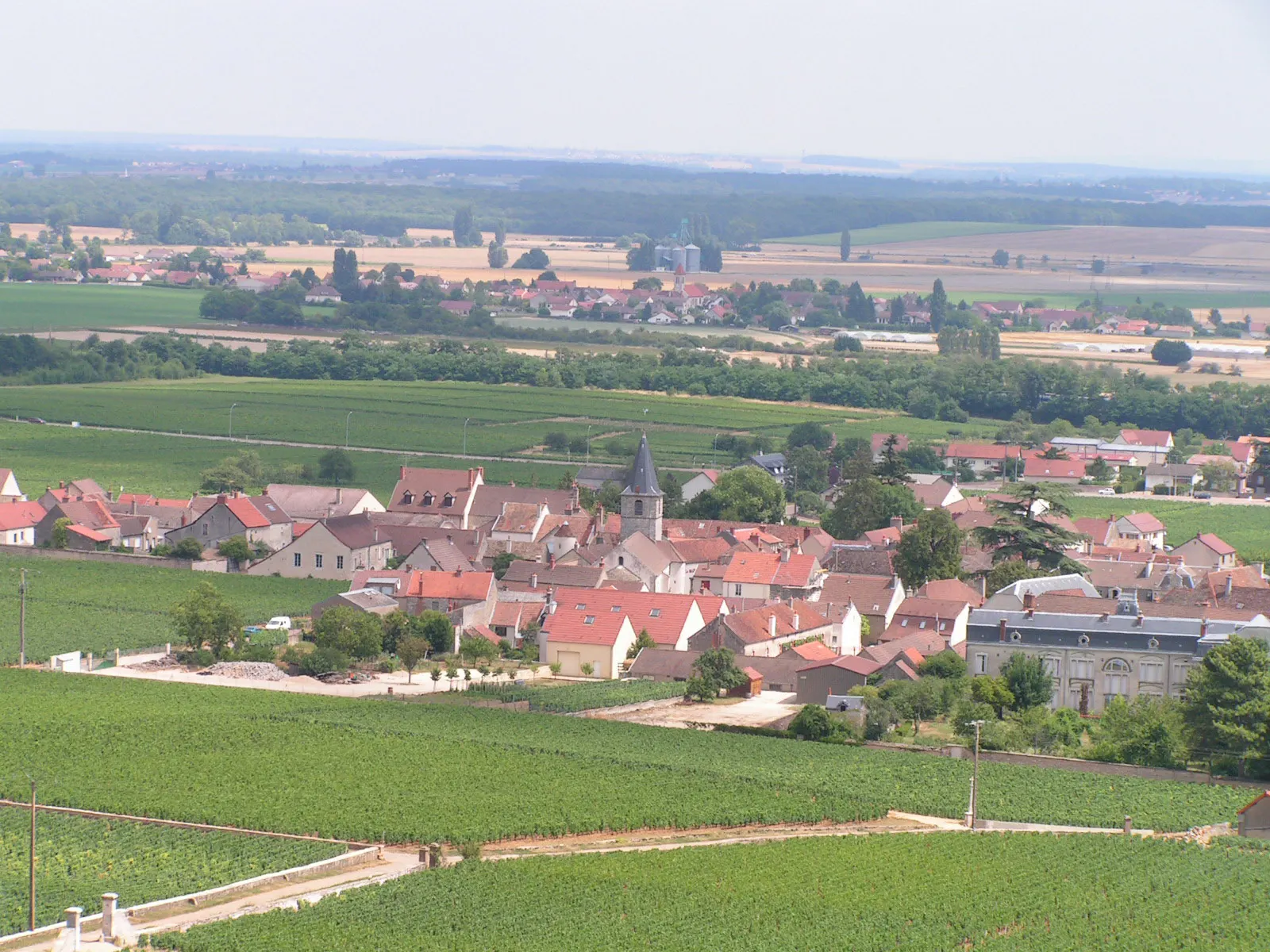
The order grew into one of the great networks of medieval Europe. Its founding text, the Charter of Charity, was approved by Pope Callixtus II in 1119, and abbots met each year at Cîteaux for the General Chapter. The monks were also skilled farmers and landowners. Before 1110 they had begun to assemble the vineyard that became the Clos de Vougeot, about 12 kilometres to the west.
At the Revolution the abbey was seized, sold and largely demolished. A few buildings survived, including the 15th-century library and the 17th-century definitory. Trappist monks returned in 1898, and a community still lives here today. The historic buildings have been protected as a historic monument since 1978. Visitors share the site with a living monastery, so the atmosphere stays calm and simple.