History
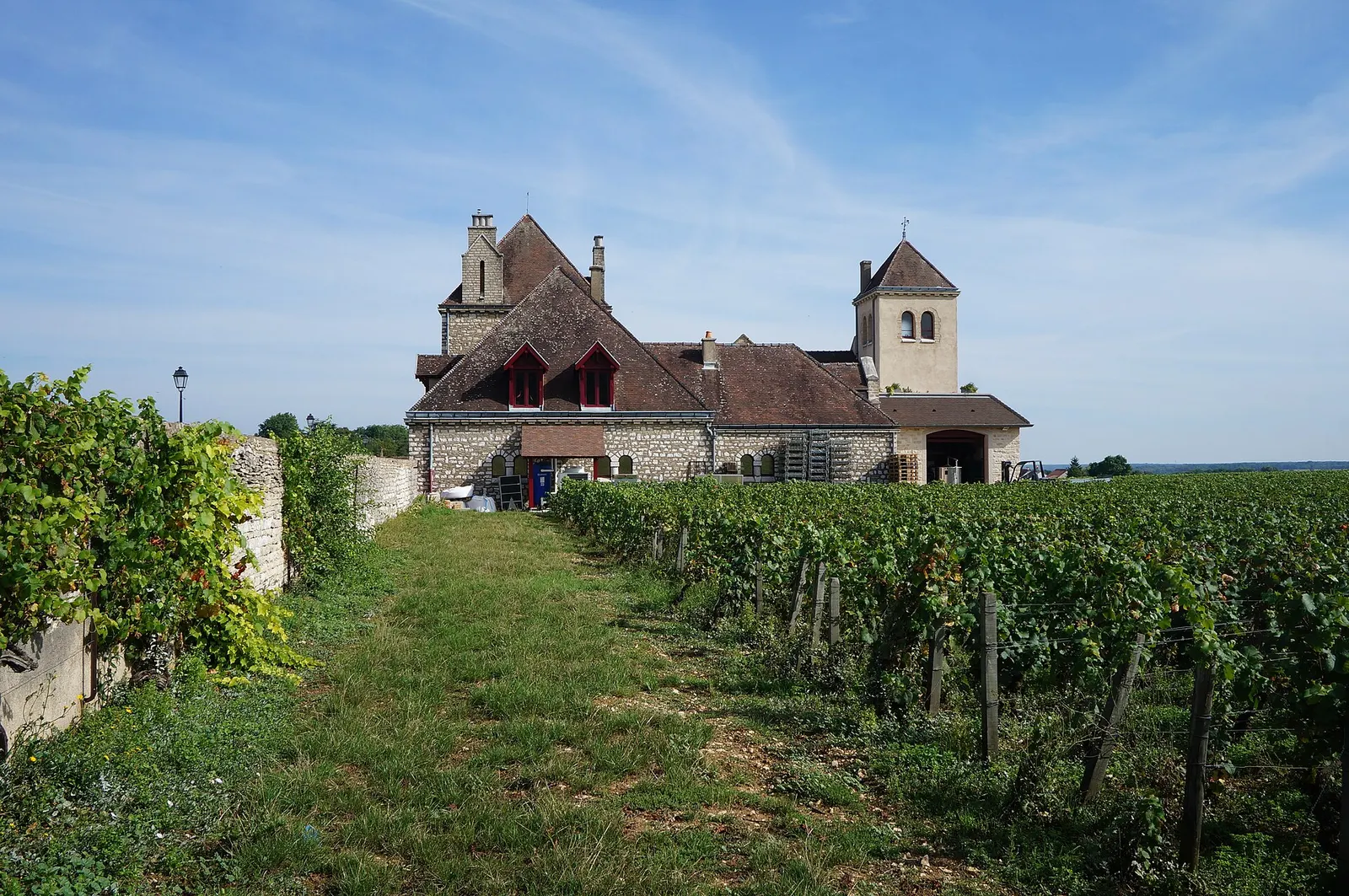
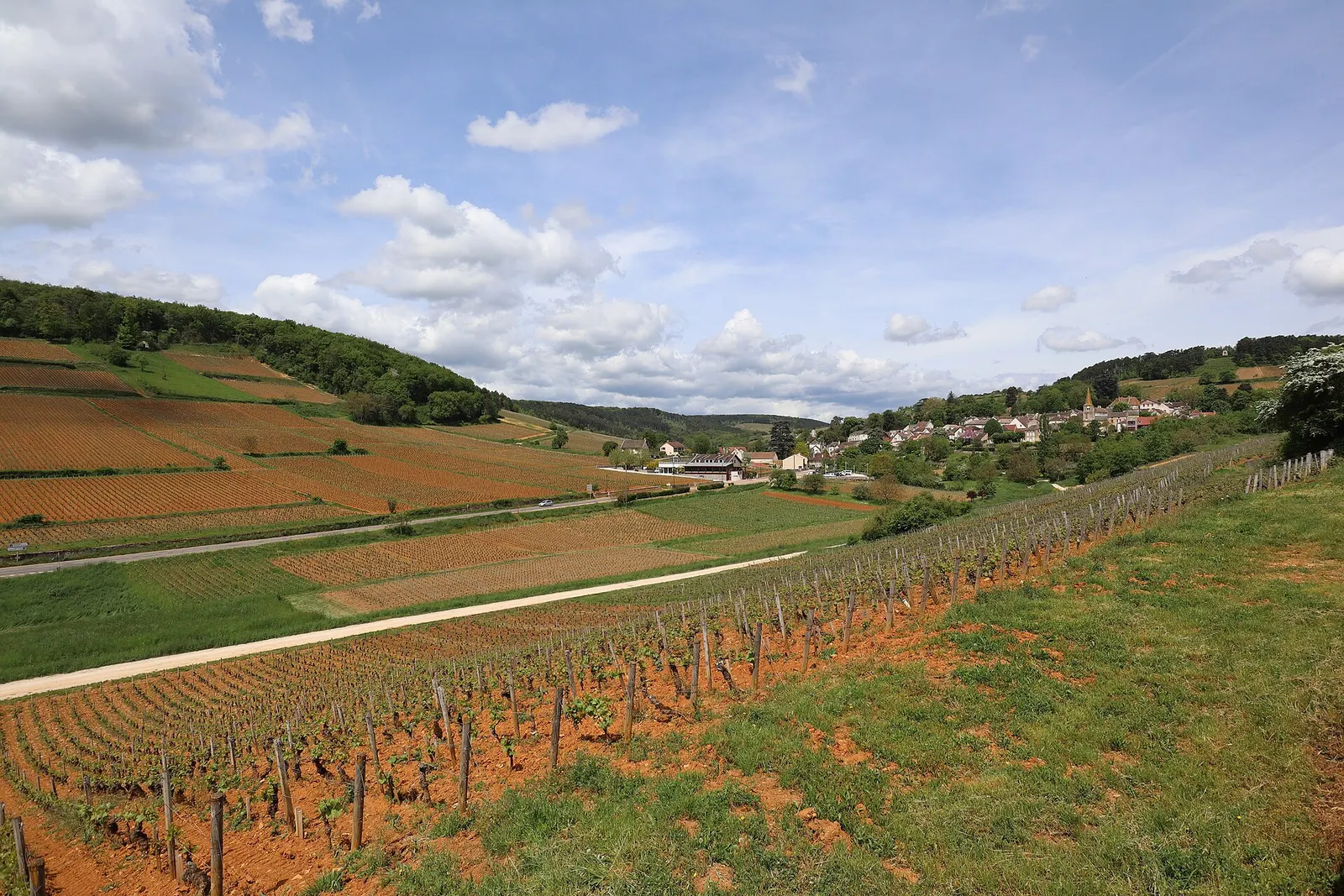
Cîteaux Abbey was founded in 1098, about 12 km to the south-east. From the early 12th century the monks assembled the Clos de Vougeot vineyard through gifts and purchases, and by 1336 it was enclosed by a wall. To work these vines they built a vat house with giant wooden presses and a great cellar on the site, with a dormitory above for the lay brothers who tended the vines.
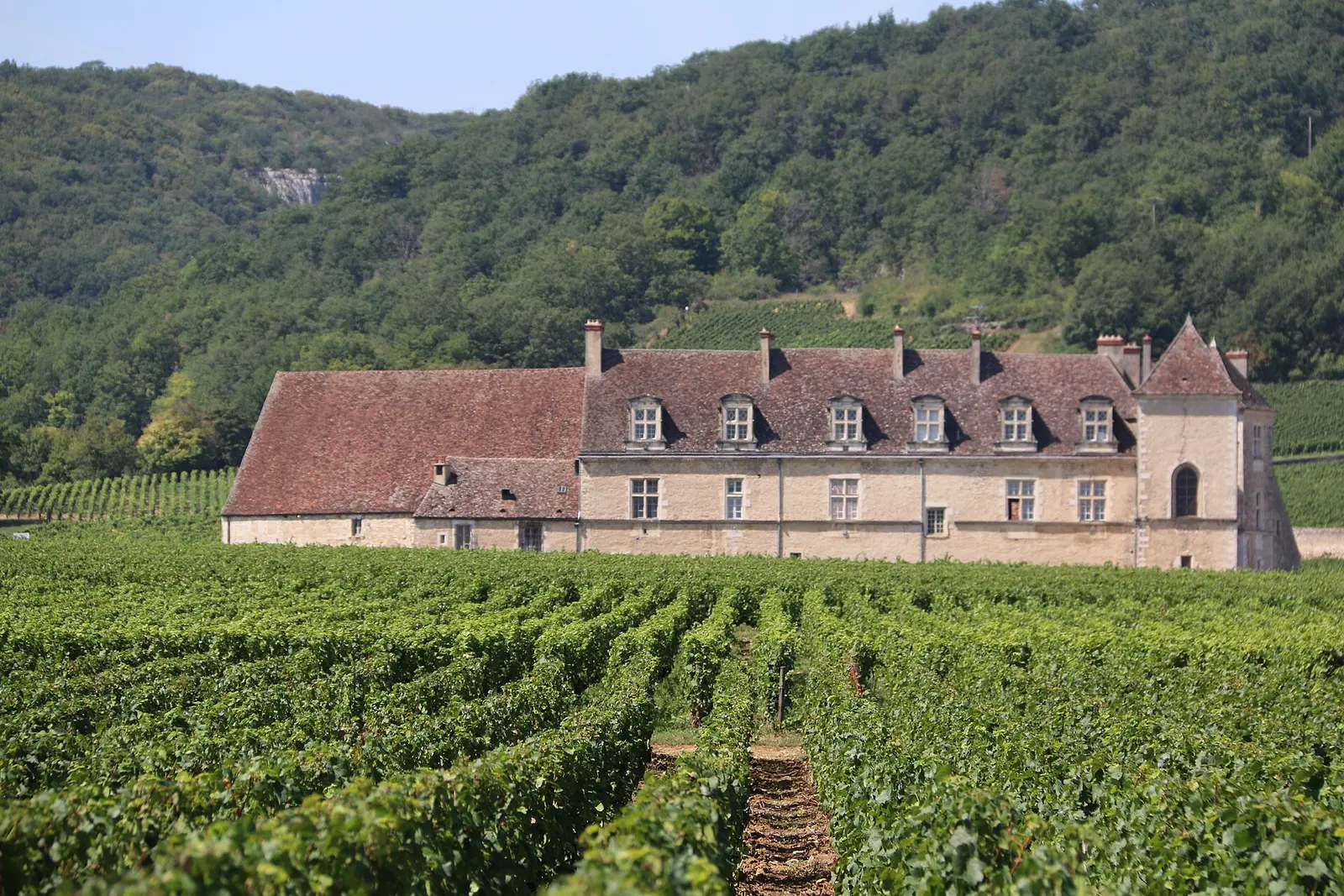
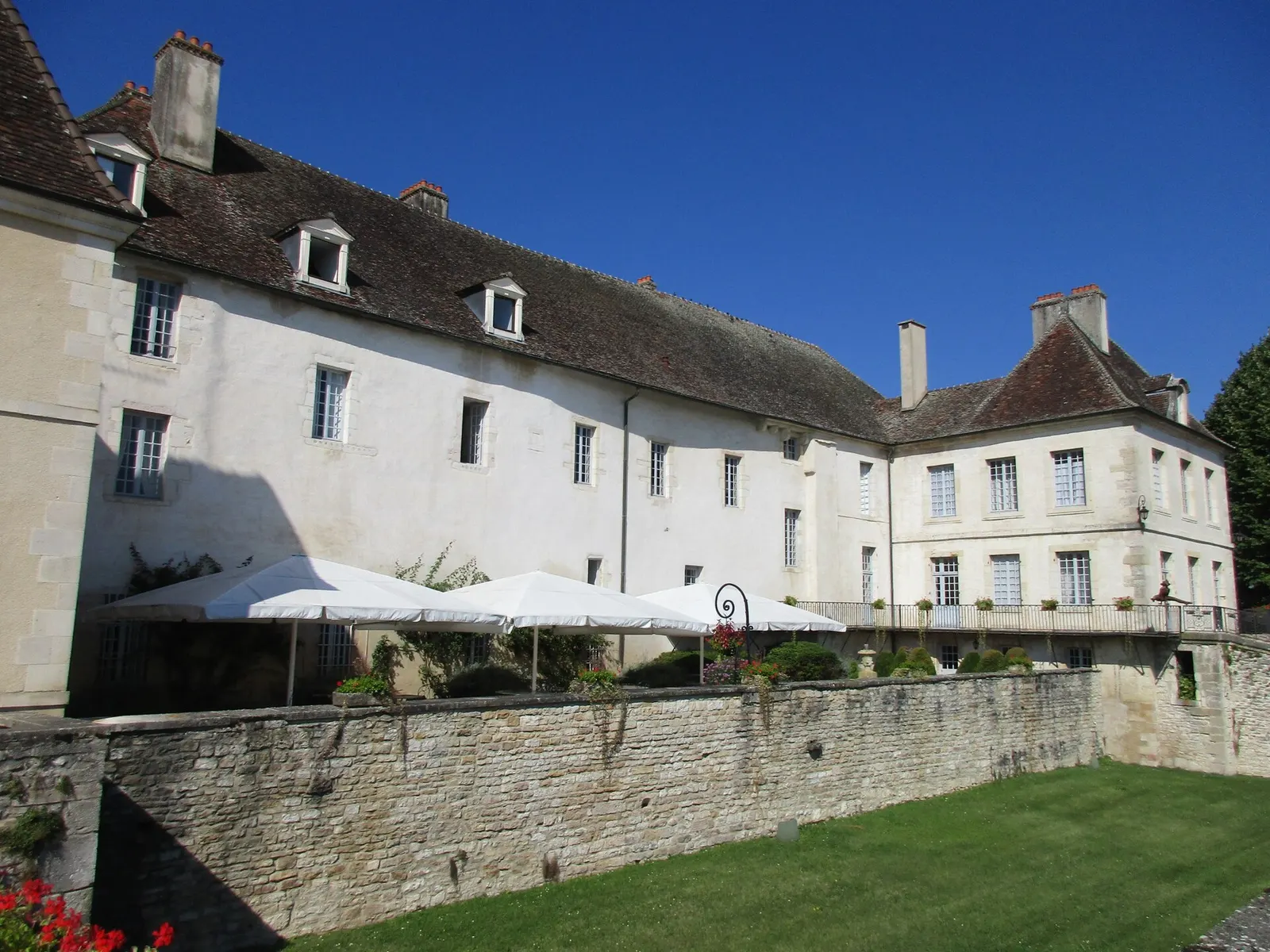
In 1551 Dom Jean Loisier, the 48th abbot of Cîteaux, added a Renaissance manor house to these working buildings. The monks kept the estate until the French Revolution, when it was confiscated and sold as national property. In 1818 it was bought by the family of the banker Ouvrard. Later in the century the buildings were neglected, and in 1889 the wine merchant Léonce Bocquet bought the château and restored it at great expense.
In 1920 the château passed to Étienne Camuzet, a winegrower and member of parliament, and in 1944 to a society of friends of the château. The Confrérie des Chevaliers du Tastevin, founded in Nuits-Saint-Georges in 1934, made it its seat and restored it. It was classified as a historic monument in 1949 and became the headquarters of the Climats of Burgundy after their UNESCO listing in 2015.
Architecture
The château is a group of buildings around a courtyard. The oldest parts are plain and functional, in the Cistercian spirit: the vat house, which still holds four giant wooden presses, and the great cellar, built to store the monks' wine in barrels. The 1551 manor house contrasts with them, with its mullioned windows and more refined Renaissance style. The original kitchens survive and are still in daily use.