History
The estate grew from the fief of the Moulin Foulot, which Duke Robert I of Burgundy granted to one of his squires in the 11th century. In 1666 it was sold to Pierre Blancheton, a Beaune lawyer at the Parliament of Burgundy, and it stayed with his family until the Revolution. It was then seized, sold, and later passed to the Jobard and Serre families.
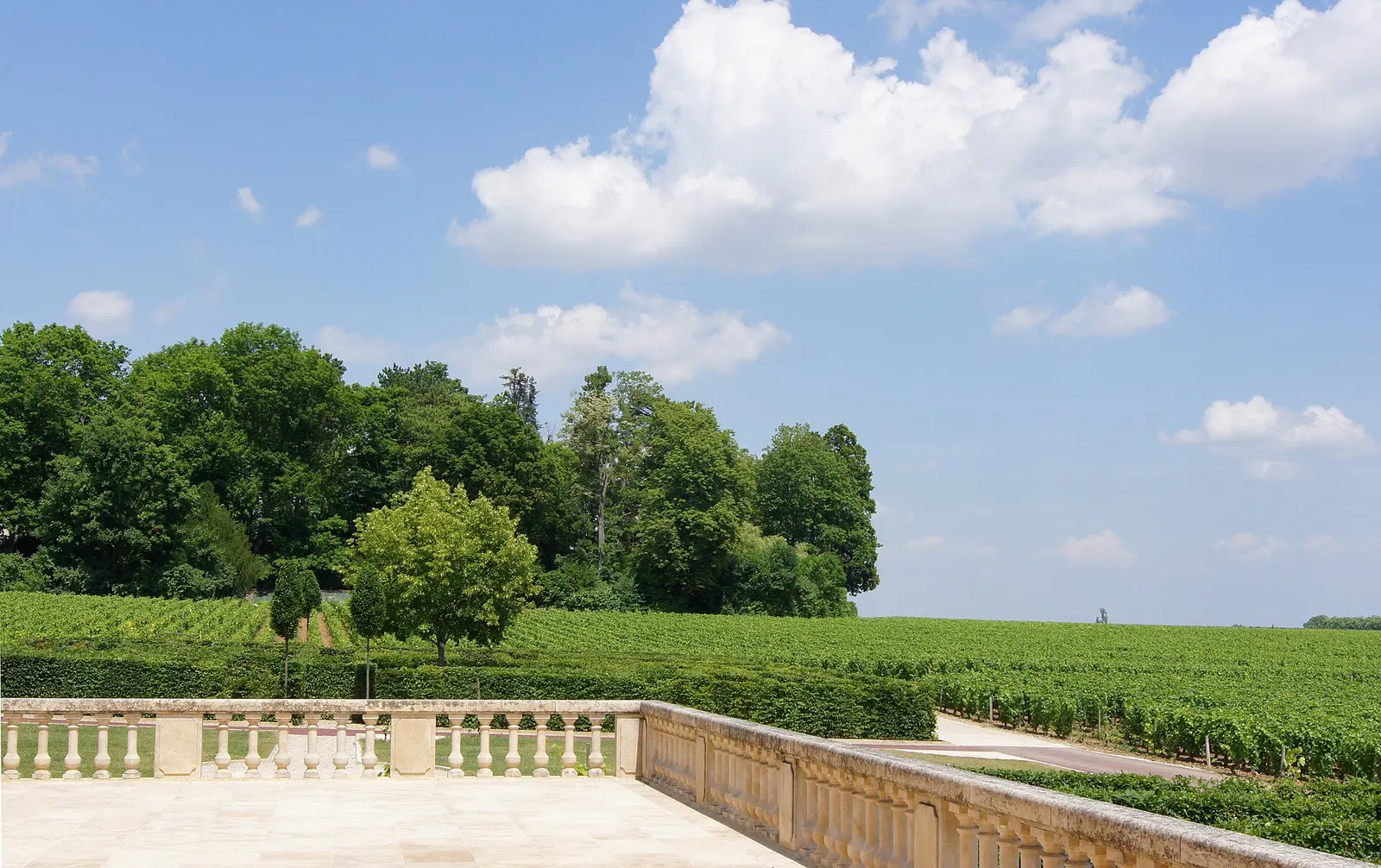
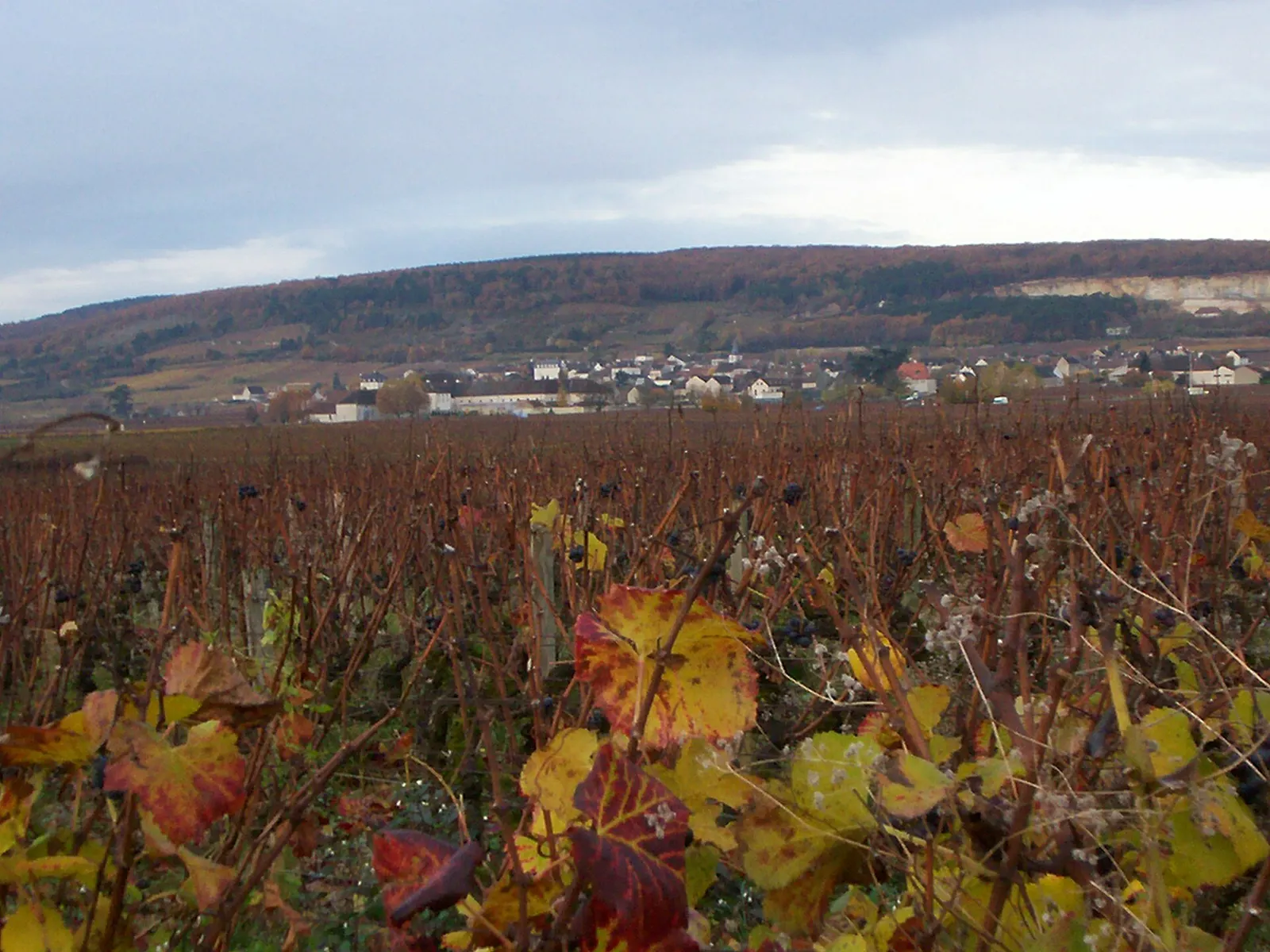
In the early 19th century the Serre family enlarged the property, remodelled the buildings and expanded the vineyard. Through inheritance it came to the Counts of Moucheron, when it was about a quarter of its present size. In 1973 André Boisseaux bought and fully restored the château. The Halley family took it over in 2012, and since 2022 the whole vineyard has been farmed organically.
Architecture
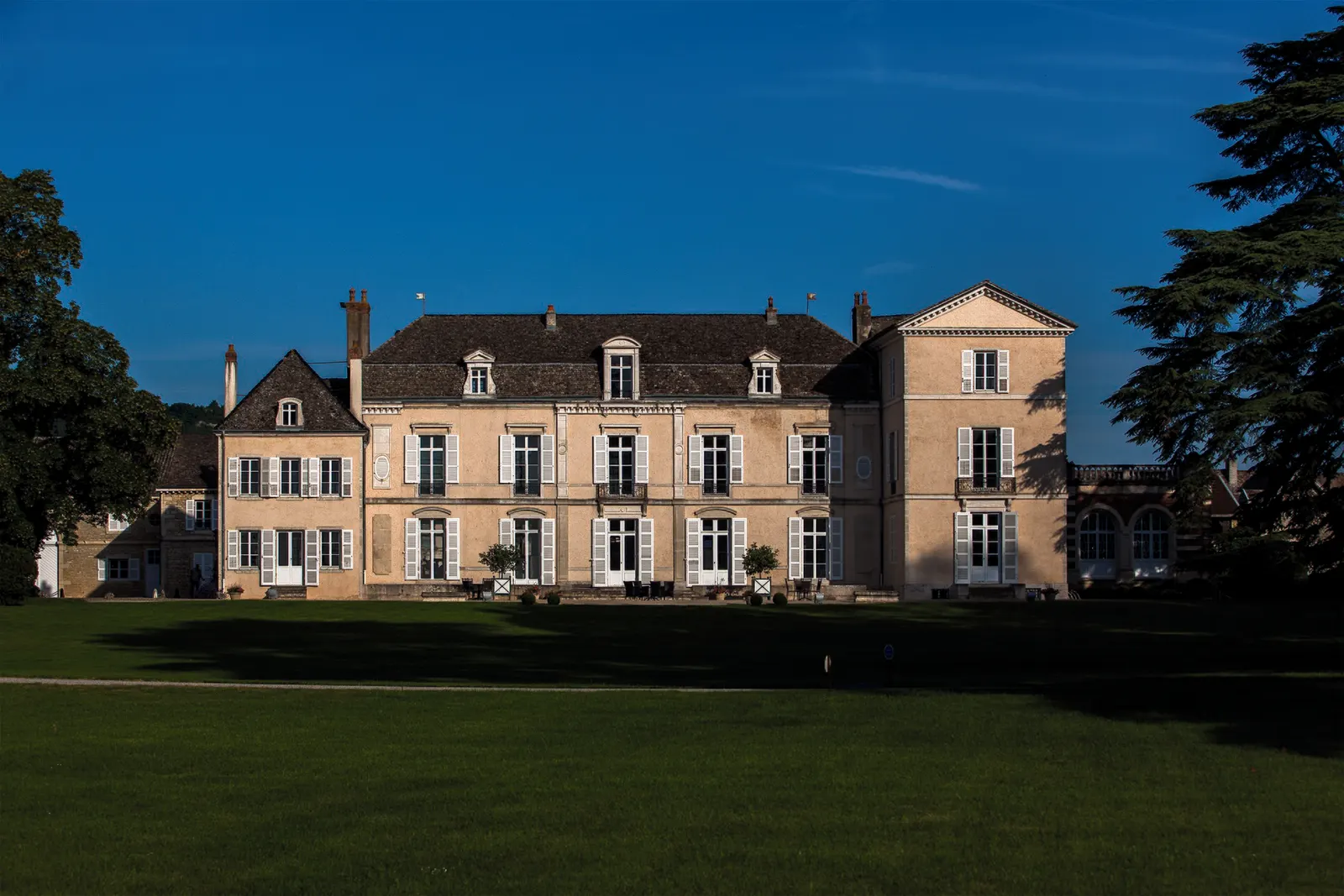
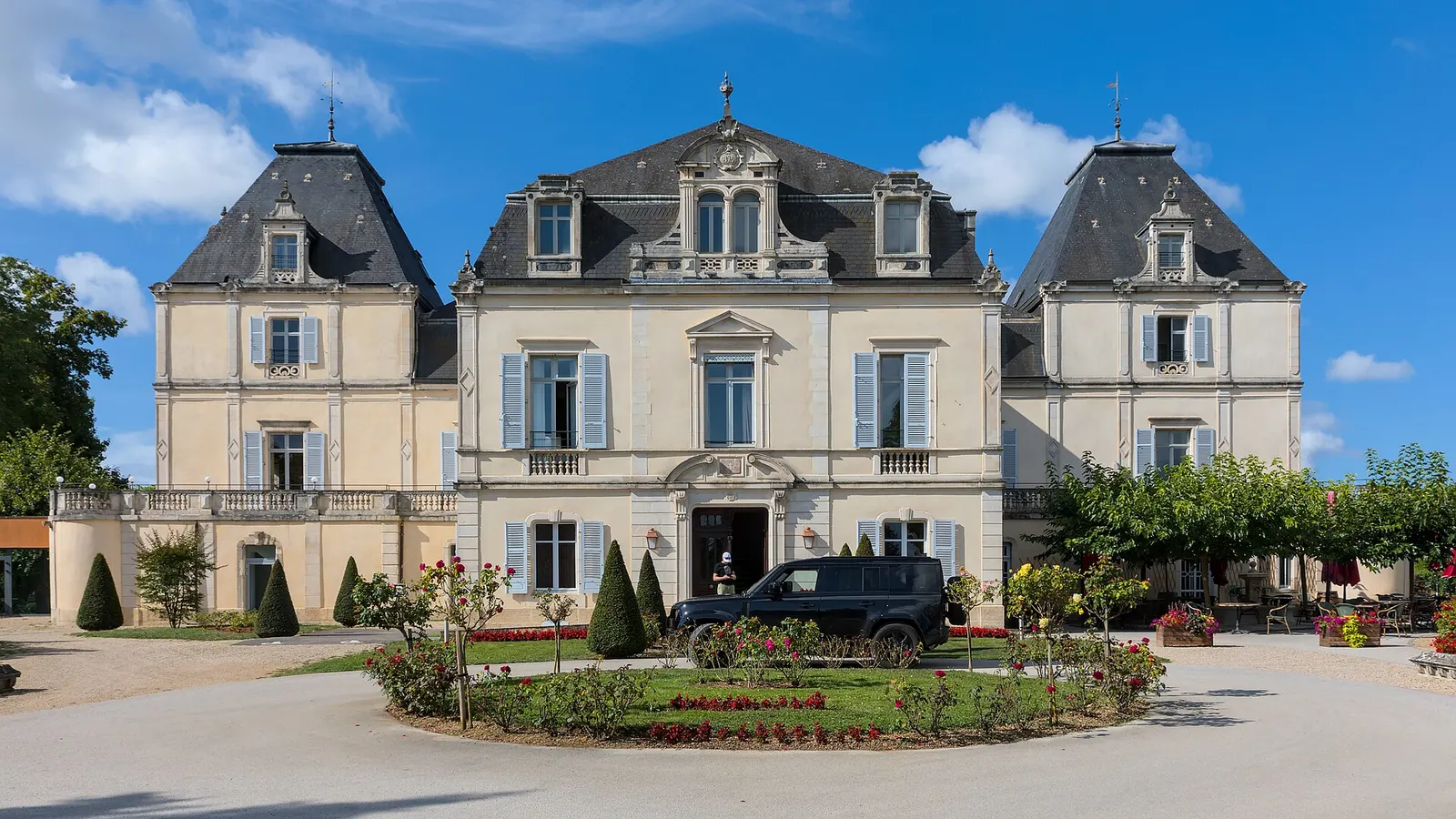
The main house has a central block with a polygonal front in dressed stone, both under mansard roofs of flat tiles, flanked by two wings. The 19th-century orangery is faced partly with glazed brick. Beneath the château and its outbuildings lie about 3,500 square metres of cellars in the Cistercian style, including a great double-vaulted cellar. The park keeps a chestnut alley and a cedar about three centuries old.