History
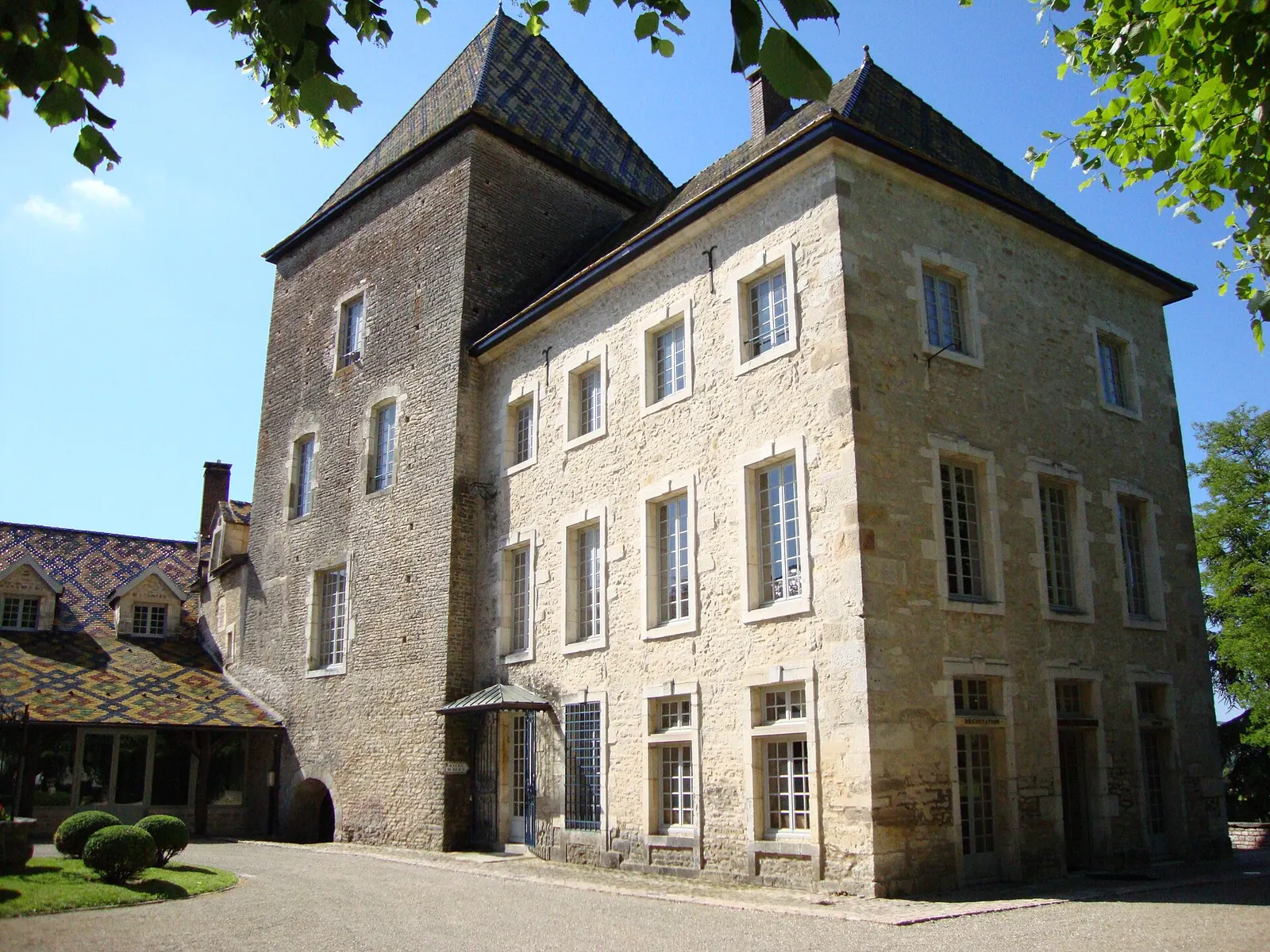
The castle was probably built in the 14th century. Of that fortress, the keep and part of the outer wall survive. In 1372 Philip the Bold, founder of the Burgundian state, took possession of the lordship and the castle, and it stayed with the Valois dukes of Burgundy until the duchy returned to the French crown after 1477. The castle was remodelled in the 16th century, when the dovecote was built.
Noble families then held the estate until the Revolution, and by 1796 an inventory recorded two wine presses at the château, a sign that wine was already made on site. A right wing and the gateway had been added in 1770. The castle was restored between 1970 and 1976. Crédit Agricole bought it in 1997, converted the vineyard to organic farming from 2021 and renamed the estate Domaine du Château Philippe le Hardi.
Architecture
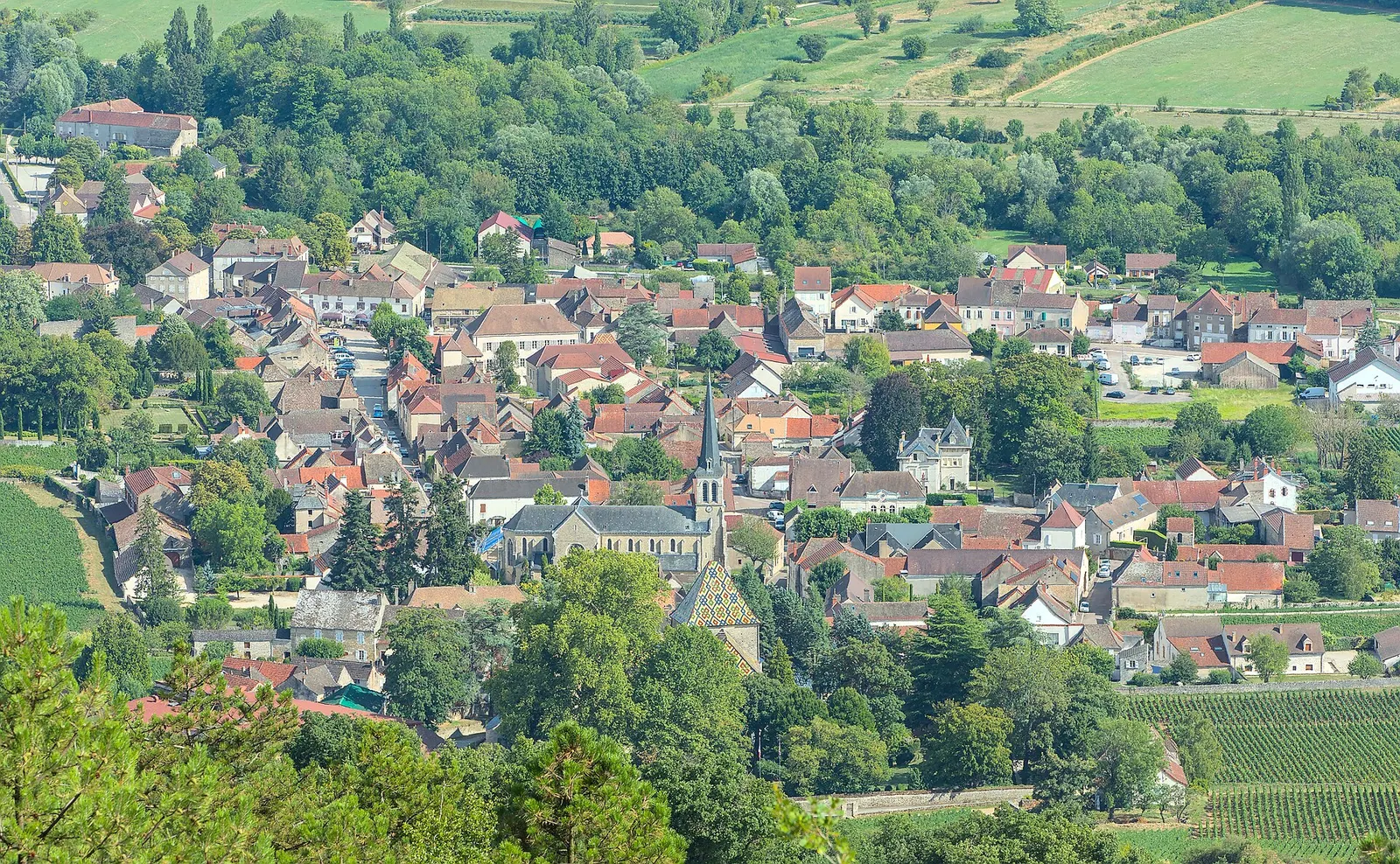
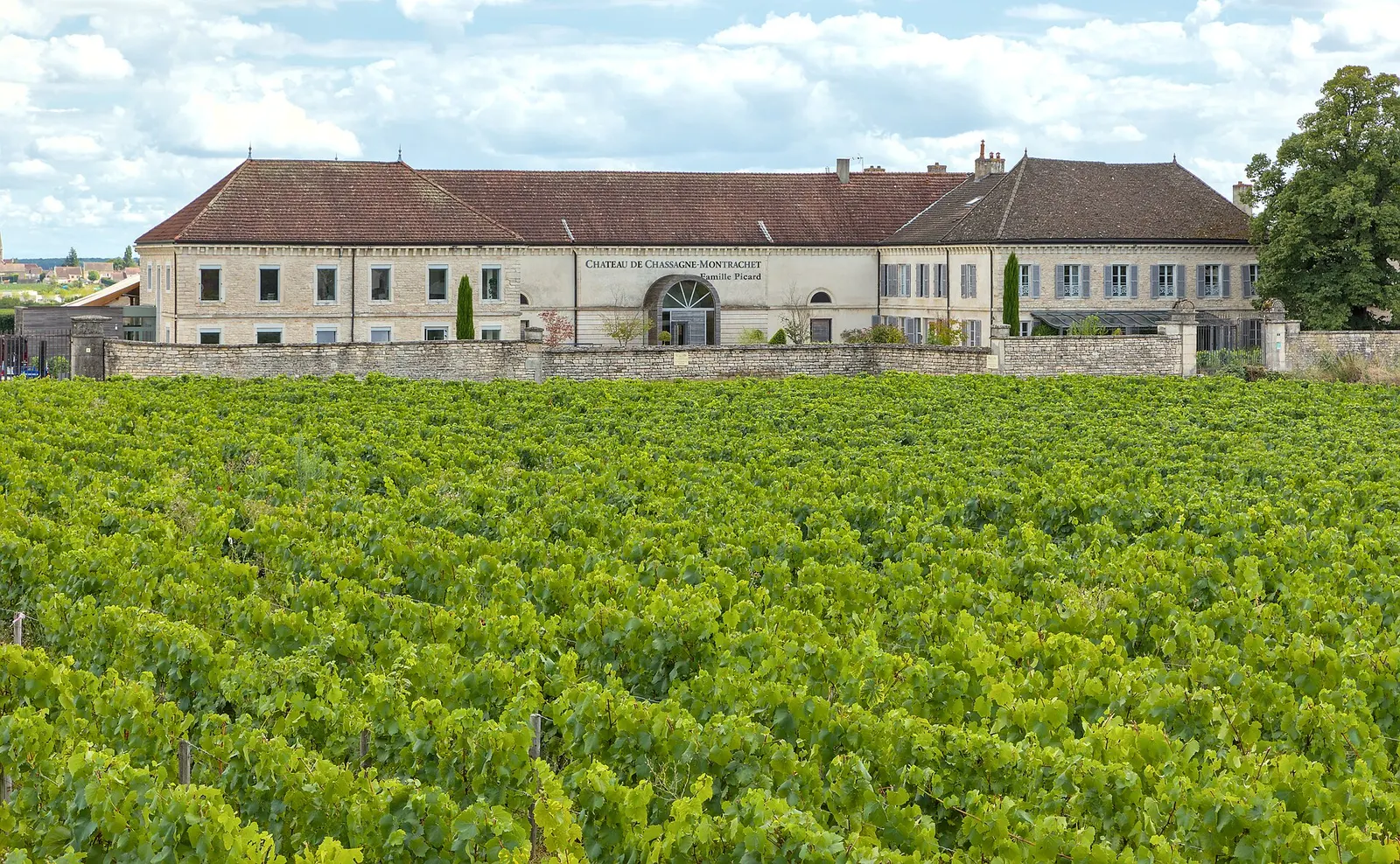
The castle is U-shaped and entered from the north over a fixed bridge across a circular dry moat cut into the rock. Its main front, roofed in lead-glazed Burgundy tiles, looks down over the village. The west side is a massive square tower of three storeys with a corner turret. A round dovecote stands on the park wall, among old plane trees.