Puligny-Montrachet
Home of Montrachet and three more grands crus, Puligny makes some of the world's most admired white wines.
- Wine village
- 17 min from Beaune
- Red and white wines
- 4 grands crus
€290for a half-day wine tour from Beaune, up to 4 guests
At a glance
- Appellations
- Puligny-Montrachet
- Grapes
- Chardonnay, Pinot Noir
- Premiers crus
- 17
- Name since
- 1879
Getting there
Private driver from Beaune: 17 min by road (12 km), €75 one way for the whole car.
Coming by train or plane? Transfers from stations and airports →
About Puligny-Montrachet
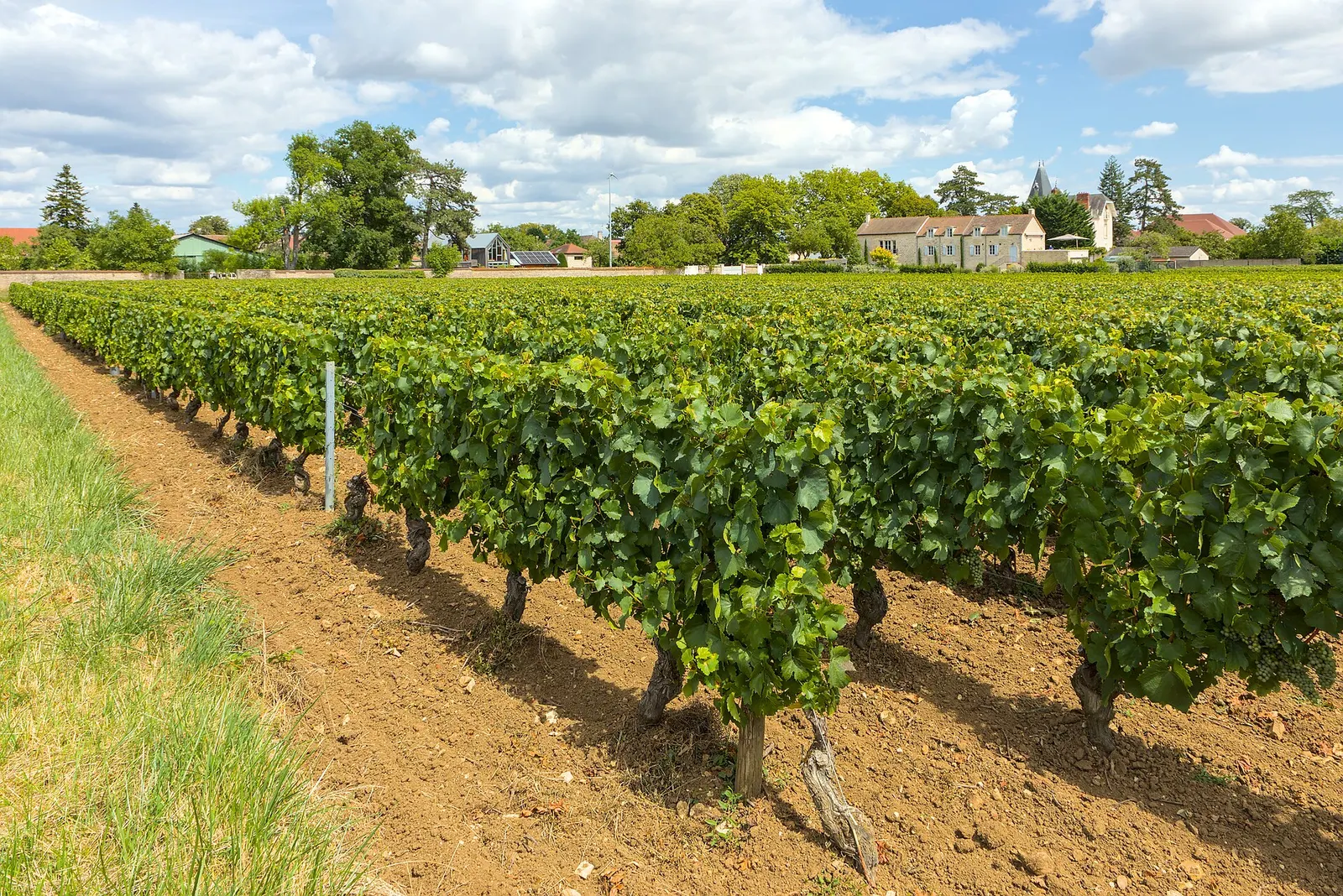
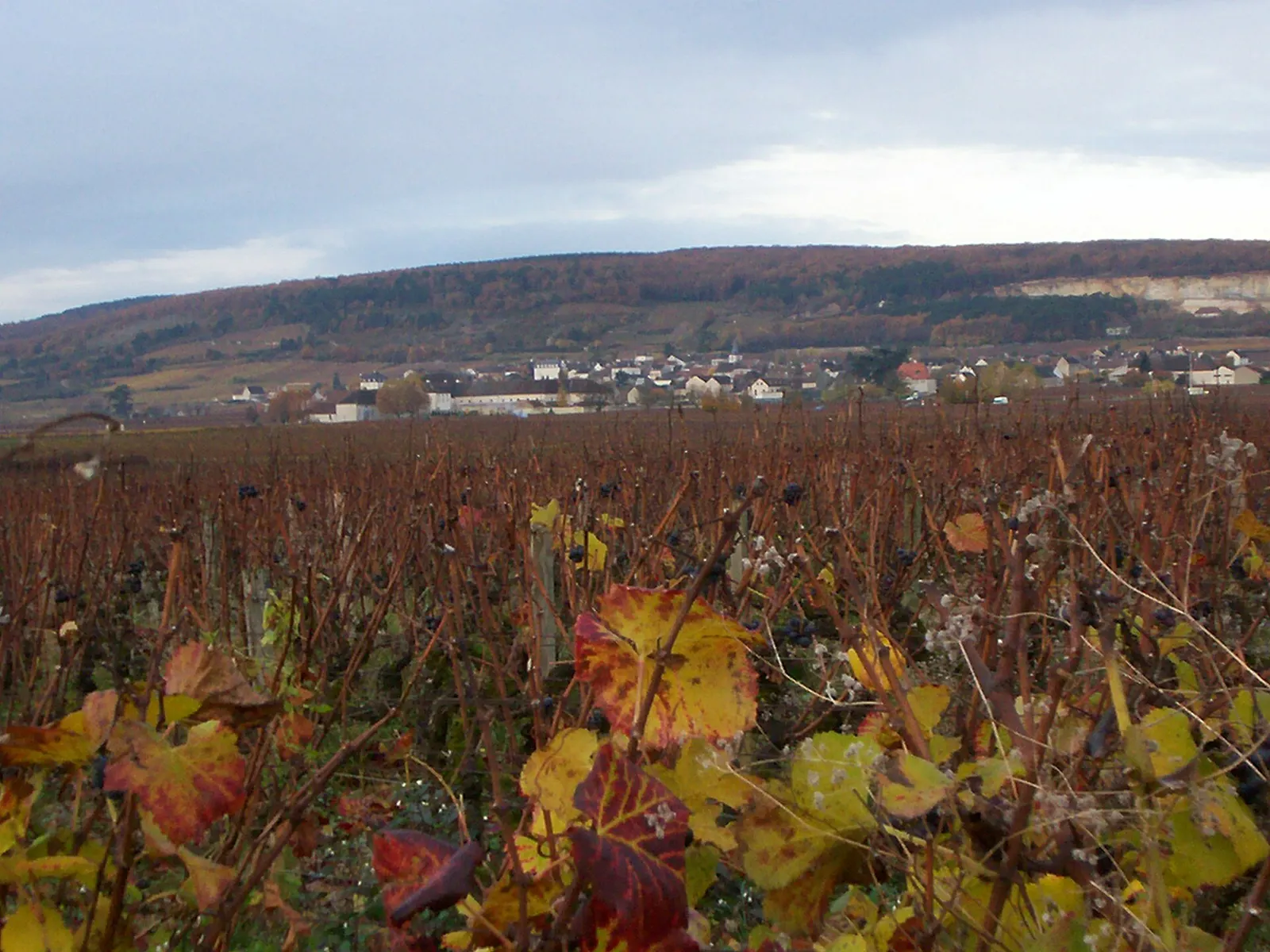
Puligny-Montrachet is a quiet village of stone houses surrounded by some of the most famous vineyards on earth. Four grands crus lie on its territory, including part of Montrachet itself, along with 17 premiers crus. Almost everything here is Chardonnay, and a walk to the grand cru slope is a highlight of any Côte de Beaune day.
The wines
Puligny is almost entirely white: about 205 hectares of Chardonnay in 2022, against less than half a hectare of Pinot Noir, per the Burgundy wine board. Vines grow between 230 and 320 metres, facing east and southeast, on brown limestone soils or limestone with bands of clay and marl. The whites are golden with green glints, with hawthorn, ripe grape, almond paste and hazelnut. The rare reds are bright ruby, with raspberry, redcurrant and black fruit.
History
Puligny appears in records as early as 1094. Its great neighbouring slope was called Mont Rachaz, the bald hill, a stony rise where little grew but thorny scrub and box. In 1252 two local men, Pierre and Arnolet de Puligny, gave vines on Mont Rachaz to the Cistercian abbey of Maizières, one of the earliest records of the vineyard. Today Montrachet covers about 8 hectares, split almost equally between Puligny and its neighbour Chassagne.
A decree of 27 November 1879 allowed Puligny to add the name of Montrachet to its own, and the same decree turned Chassagne-le-Haut into Chassagne-Montrachet. The Puligny-Montrachet appellation followed on 31 July 1937, the year Montrachet and Bâtard-Montrachet became grands crus. The parish church, begun in the 13th century, keeps a carved tomb slab of Charles de Mypont and Jeanne de Lugny, protected since 1913. In 2022 the village co-hosted the Saint-Vincent tournante with Blagny and Corpeau.
All the grands crusMontrachet · Chevalier-Montrachet · Bâtard-Montrachet · Bienvenues-Bâtard-Montrachet
Well-known premiers crusLes Pucelles · Les Combettes · Les Folatières · Le Cailleret · Les Referts · Champ Canet
What to see
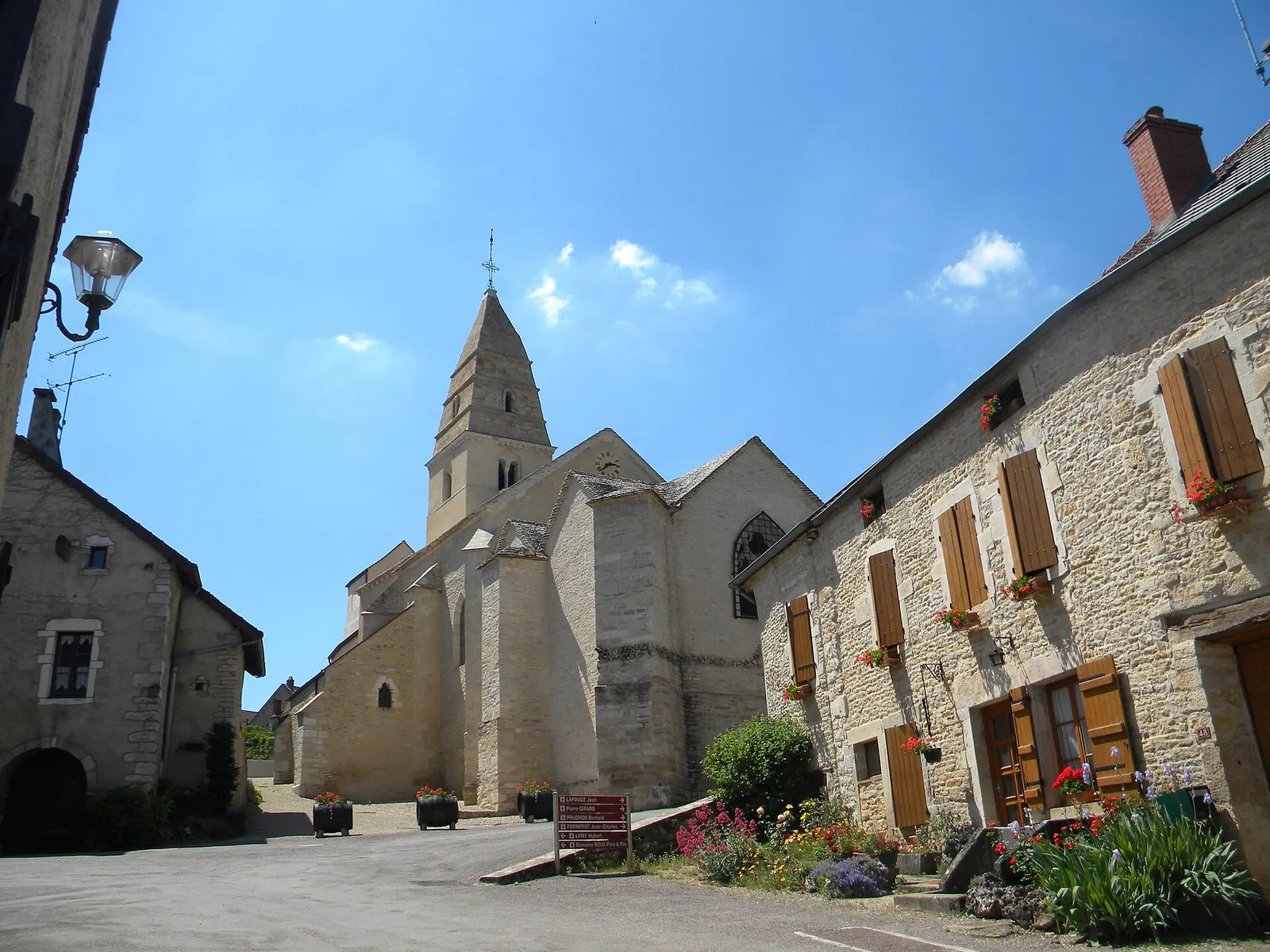
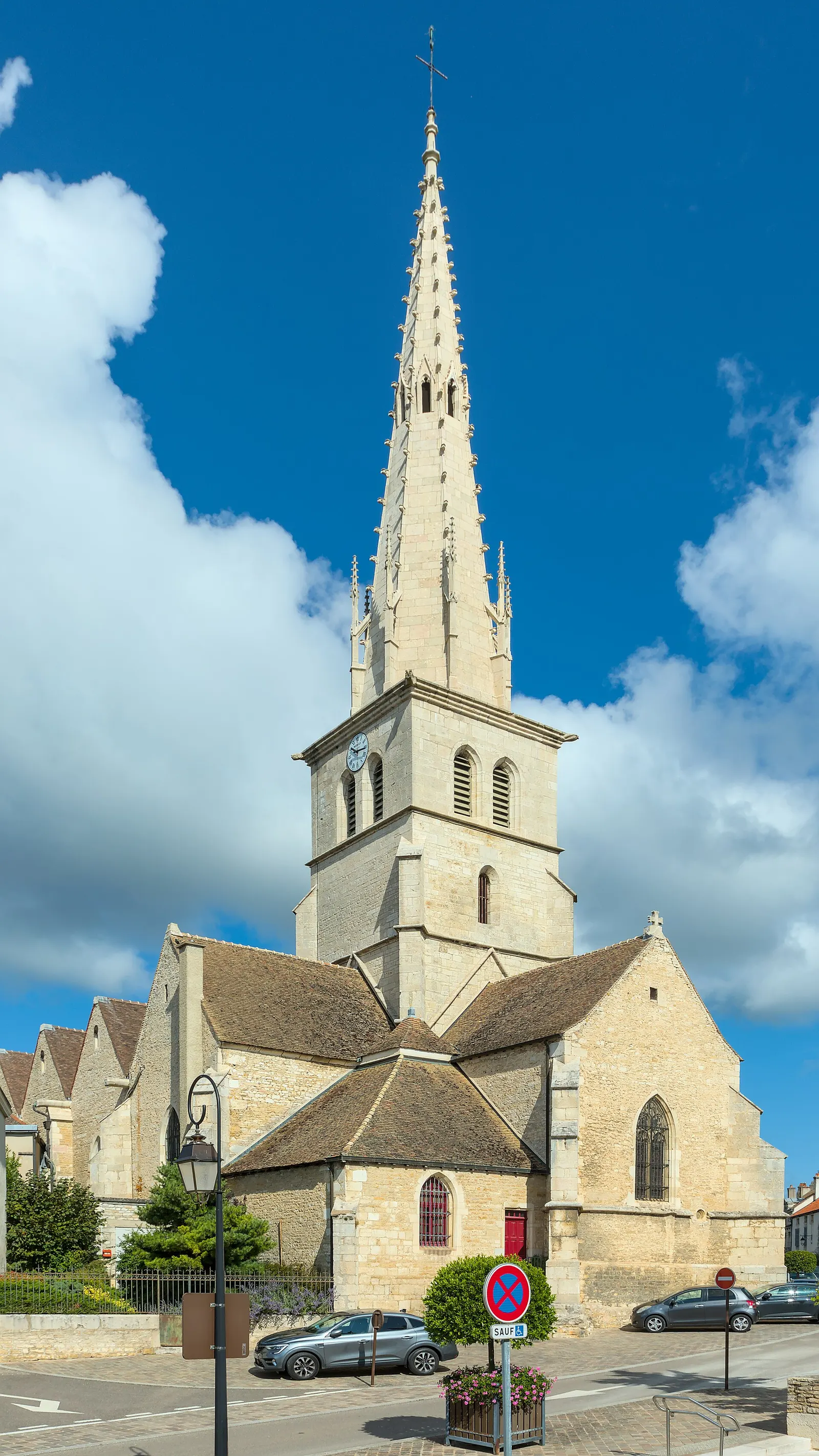
Church of Notre-Dame de l'Assomption
Begun in the 13th century and enlarged over later centuries, the church holds a carved limestone tomb slab of Charles de Mypont and Jeanne de Lugny, dated 1515 and protected since 1913.
The grand cru slope
South of the village, Chevalier-Montrachet, Montrachet, Bâtard-Montrachet and Bienvenues-Bâtard-Montrachet lie side by side, with a small road between Montrachet and Bâtard. A short walk shows how compact these famous plots are.
Voie des Vignes
The 22 km Voie des Vignes cycle route from Beaune to Santenay runs through Puligny on small roads and vineyard lanes. It is an easy way to link several villages by bike.
Tips for your visit
Allow one to two hours, including a walk to the grands crus. Puligny pairs naturally with Chassagne-Montrachet next door, and with Blagny and Meursault to the north. Book tastings in advance.
Around here
What to combine with Puligny-Montrachet on the same day, nearest first.
Questions
Puligny-Montrachet is about 17 min from Beaune by road (12 km). With a private driver, the trip from Beaune starts at €75 for the whole car, up to 4 guests.
Did you know? The water table beneath Puligny lies very close to the surface. That makes deep underground cellars, common in neighbouring villages, very difficult to dig here.
Sources
Puligny-Montrachet with a private driver
Half-day wine tour from Beaune: €290 for the car, up to 4 guests