Fixin
A quiet wine village with Napoleon in the woods, a Romanesque church in the vines and firm reds.
- Wine village
- 35 min from Beaune
- Red and white wines
- 6 premiers crus
€360for a half-day wine tour plus one hour, from Beaune, up to 4 guests
At a glance
- Appellations
- Fixin, Côte de Nuits-Villages
- Grapes
- Pinot Noir, Chardonnay
Getting there
Private driver from Beaune: 35 min by road (35 km), €125 one way for the whole car.
Coming by train or plane? Transfers from stations and airports →
About Fixin
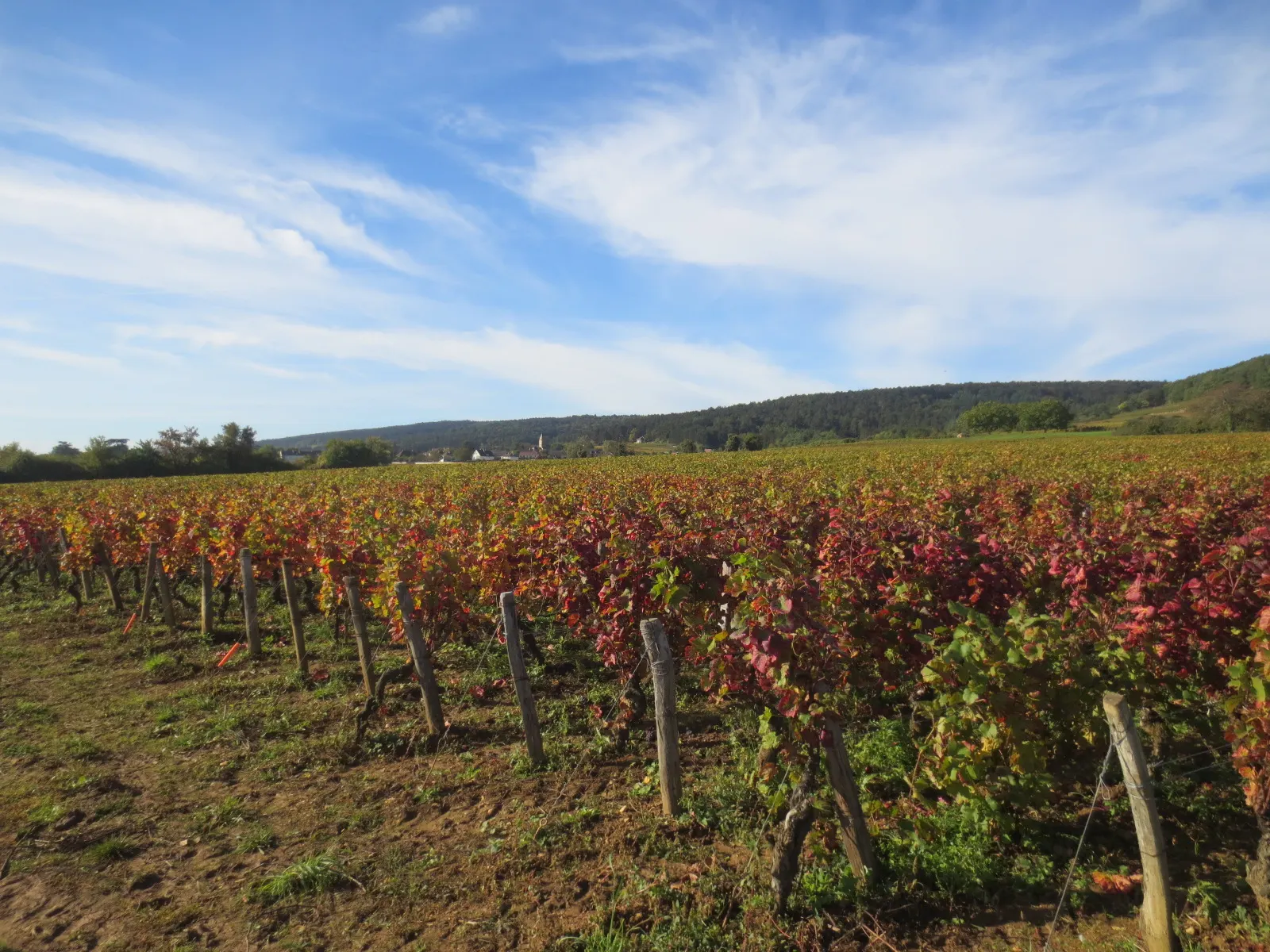
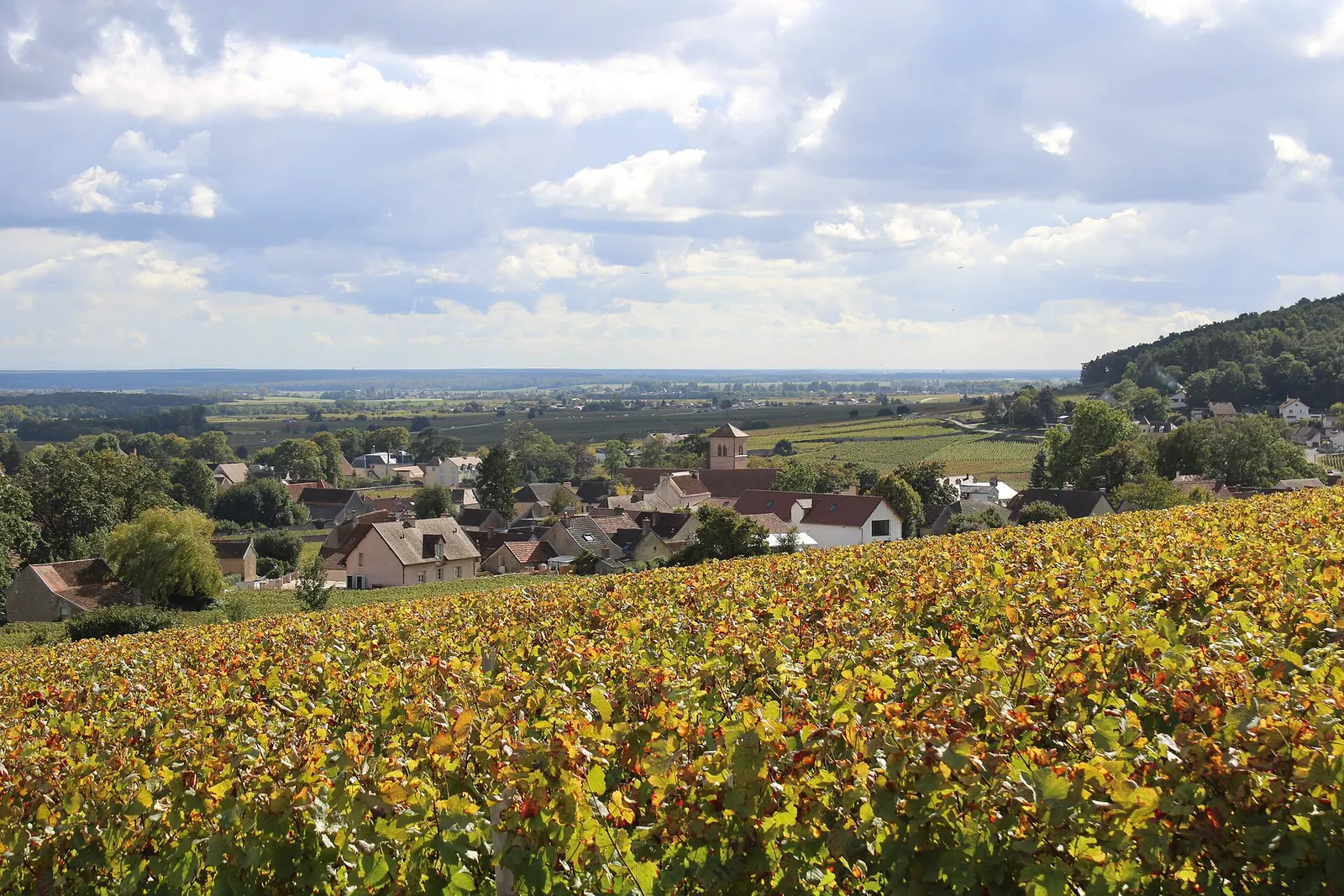
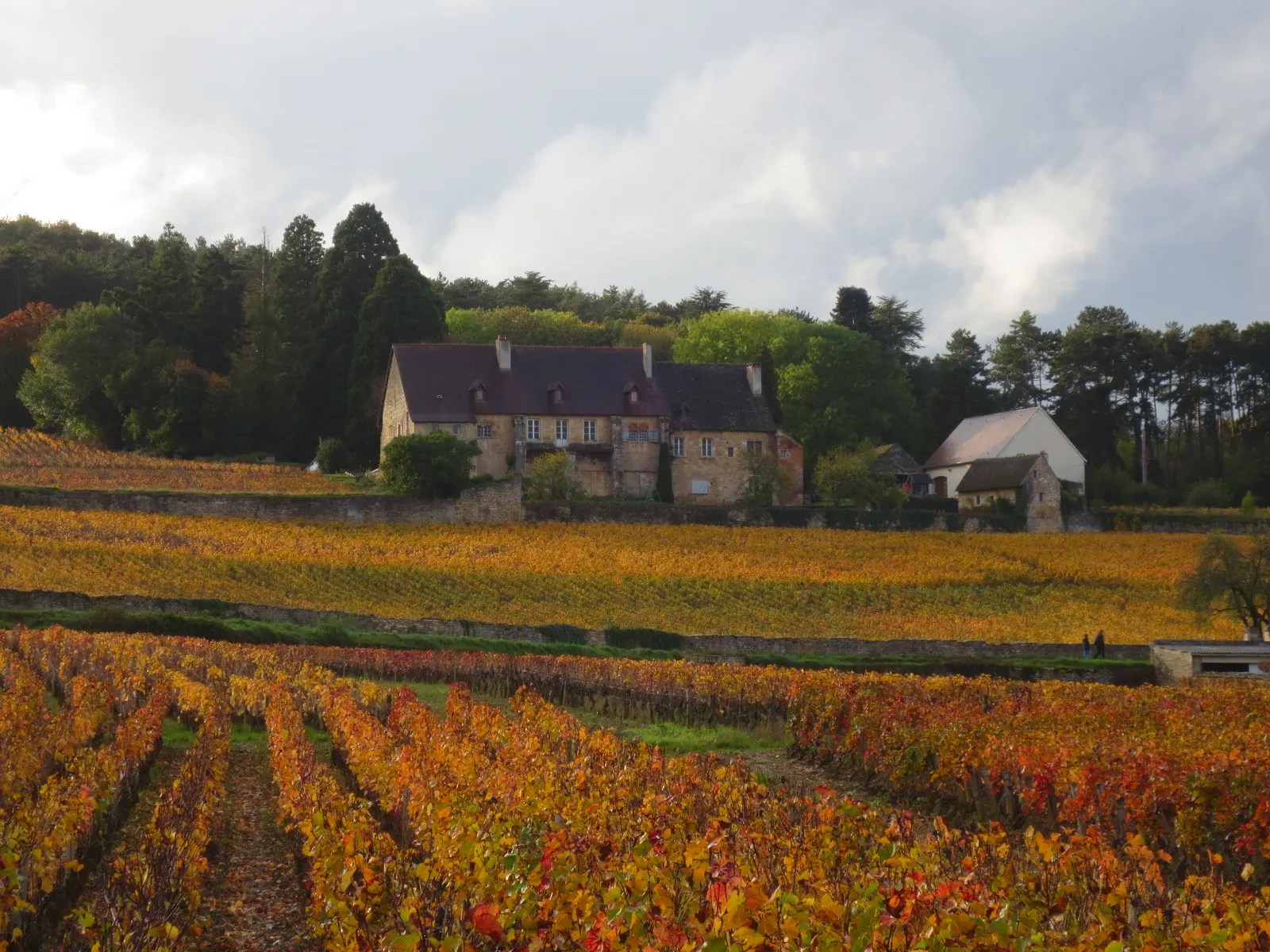
Fixin, pronounced Fissin, is a small village between Dijon and Gevrey-Chambertin. Its wines are mostly red, deep in colour and built to age. Above the village, a park created by one of Napoleon's old soldiers holds a famous bronze by the sculptor François Rude.
The wines
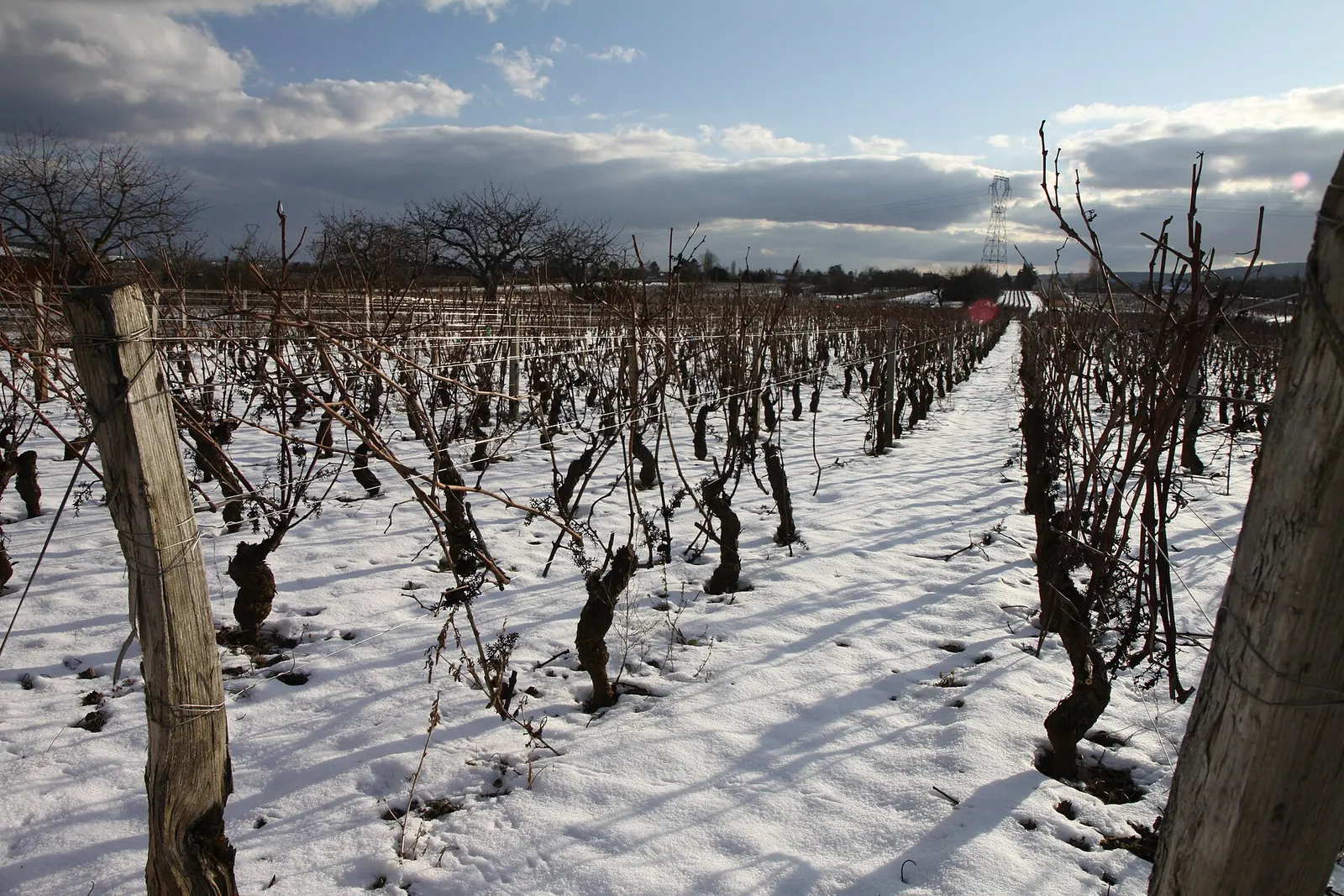
Fixin's appellation, created in 1936, covers Fixin and part of Brochon. Most of it is red Pinot Noir, with a few plots of Chardonnay. The six premiers crus lie high on the slope, at 350 to 380 metres, on brown limestone soils, a little more marly in Hervelets. The red is called a winter wine: deep violet, with cherry and blackcurrant, firm when young and rounder with bottle age. Wines from here may also be sold as Côte de Nuits-Villages.
History
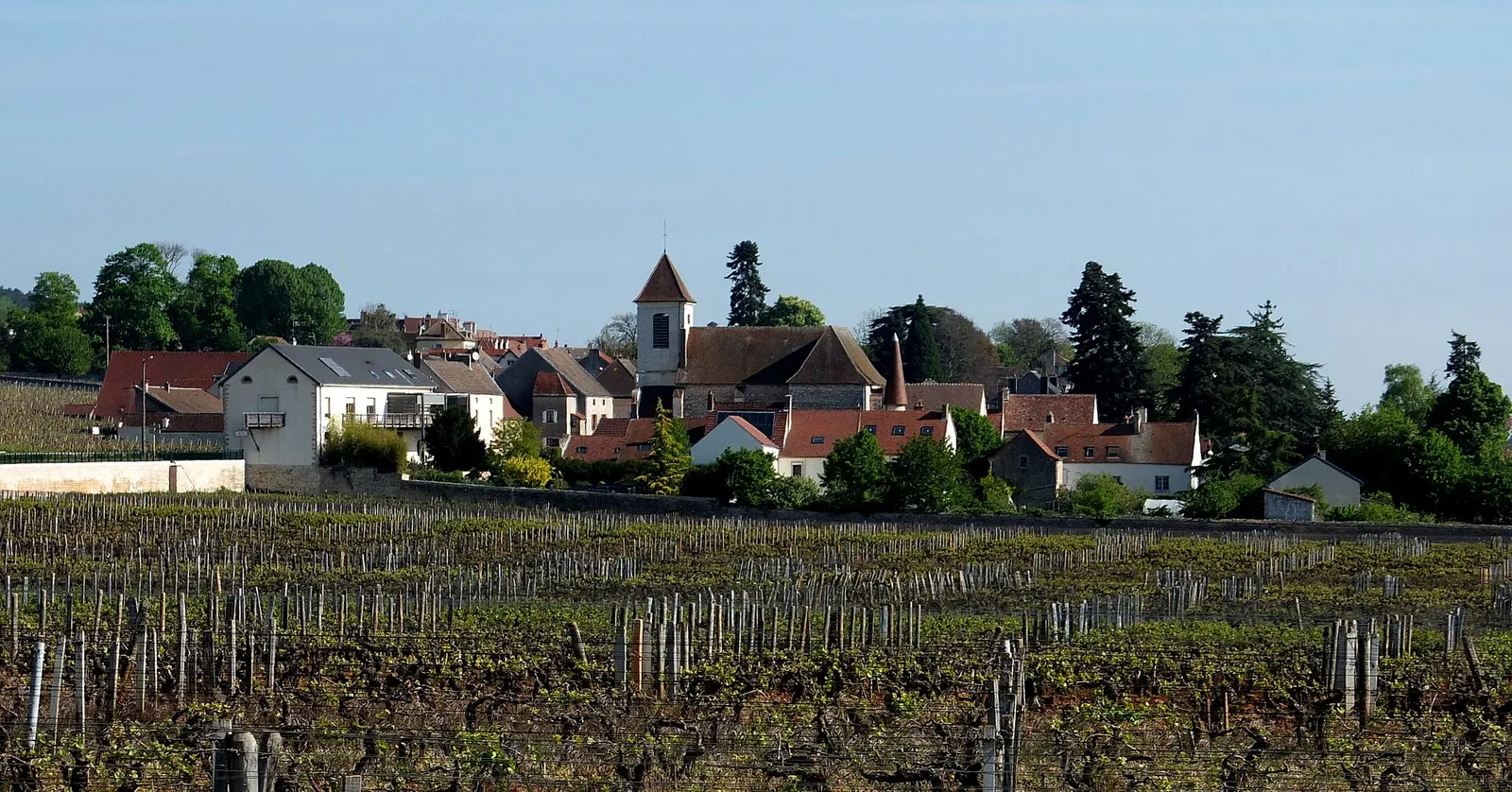
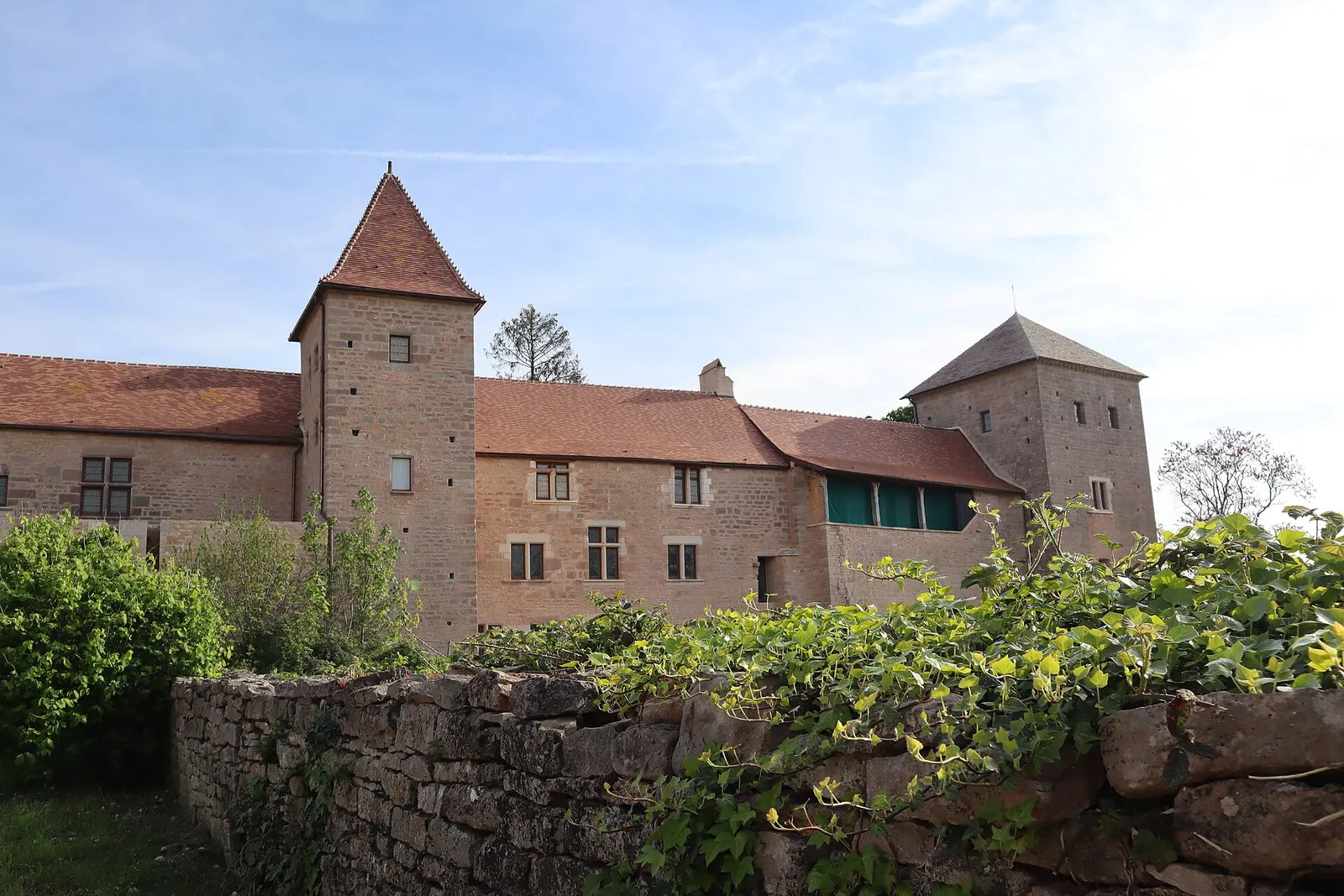
Fixin's name appears in records from the ninth century. In 1860 the village merged with its hamlet of Fixey, home to the church of Saint-Antoine. It began as an oratory in 902, making it one of the oldest Romanesque buildings on the Côte de Nuits. The monks of Cîteaux later held the manor of La Perrière, where, as the story goes, they came for fresh air and good wine.
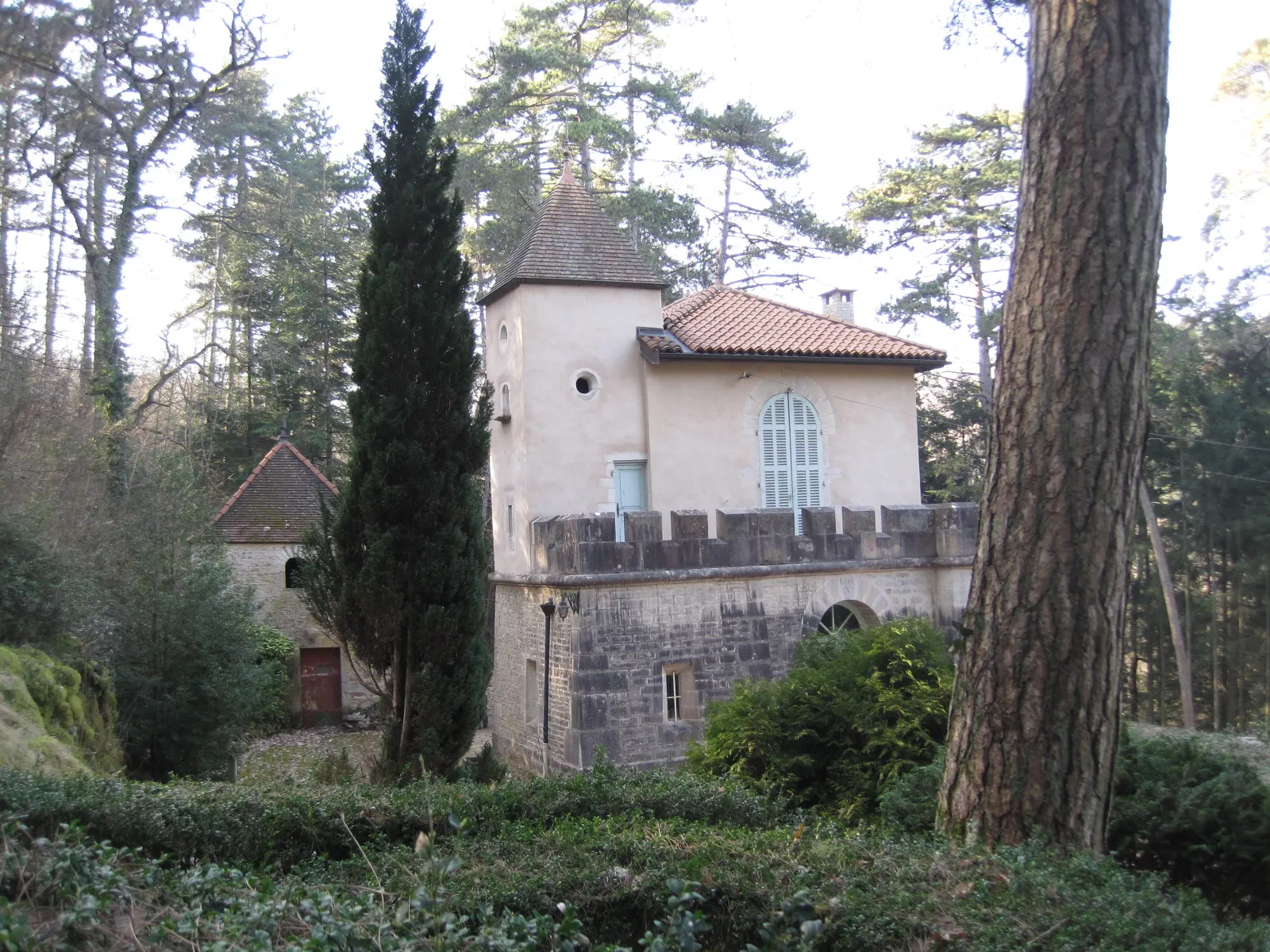
Fixin's most colourful figure is Claude Noisot, a grenadier of Napoleon's Imperial Guard who followed the emperor to Elba. In retirement he turned his land above the village into a park and museum in Napoleon's honour. His friend, the sculptor François Rude, created the bronze Napoleon Awakening to Immortality, unveiled in 1847. Noisot died in Fixin in 1861 and left the park to the commune.
Well-known premiers crusClos de la Perrière · Clos Napoléon · Clos du Chapitre · Hervelets · Arvelets · Les Meix Bas
What to see
Parc Noisot
A wooded park above the village, with a small Napoleonic museum and Rude's bronze of the emperor. At the far end, the Hundred Steps honour Napoleon's Hundred Days.
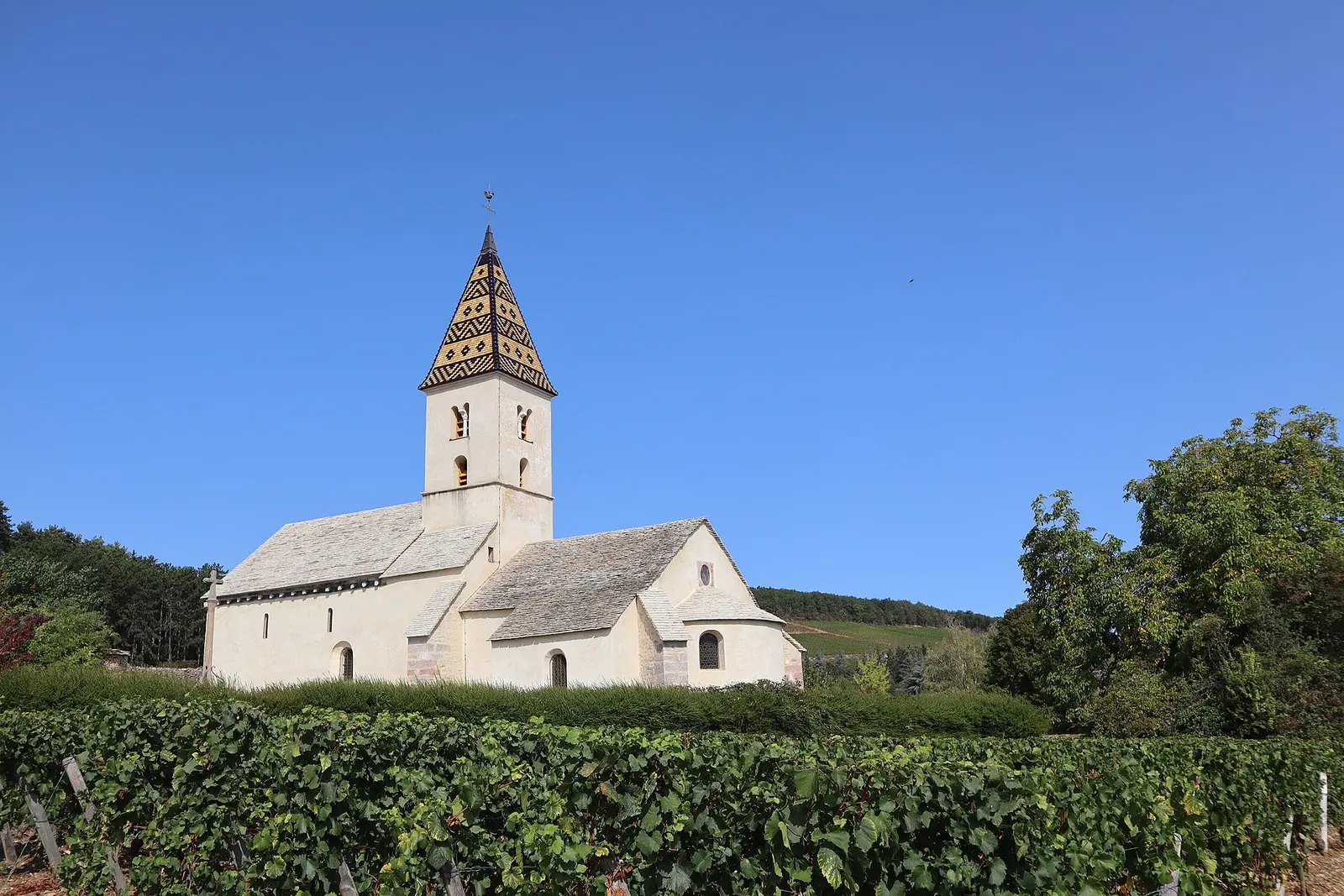
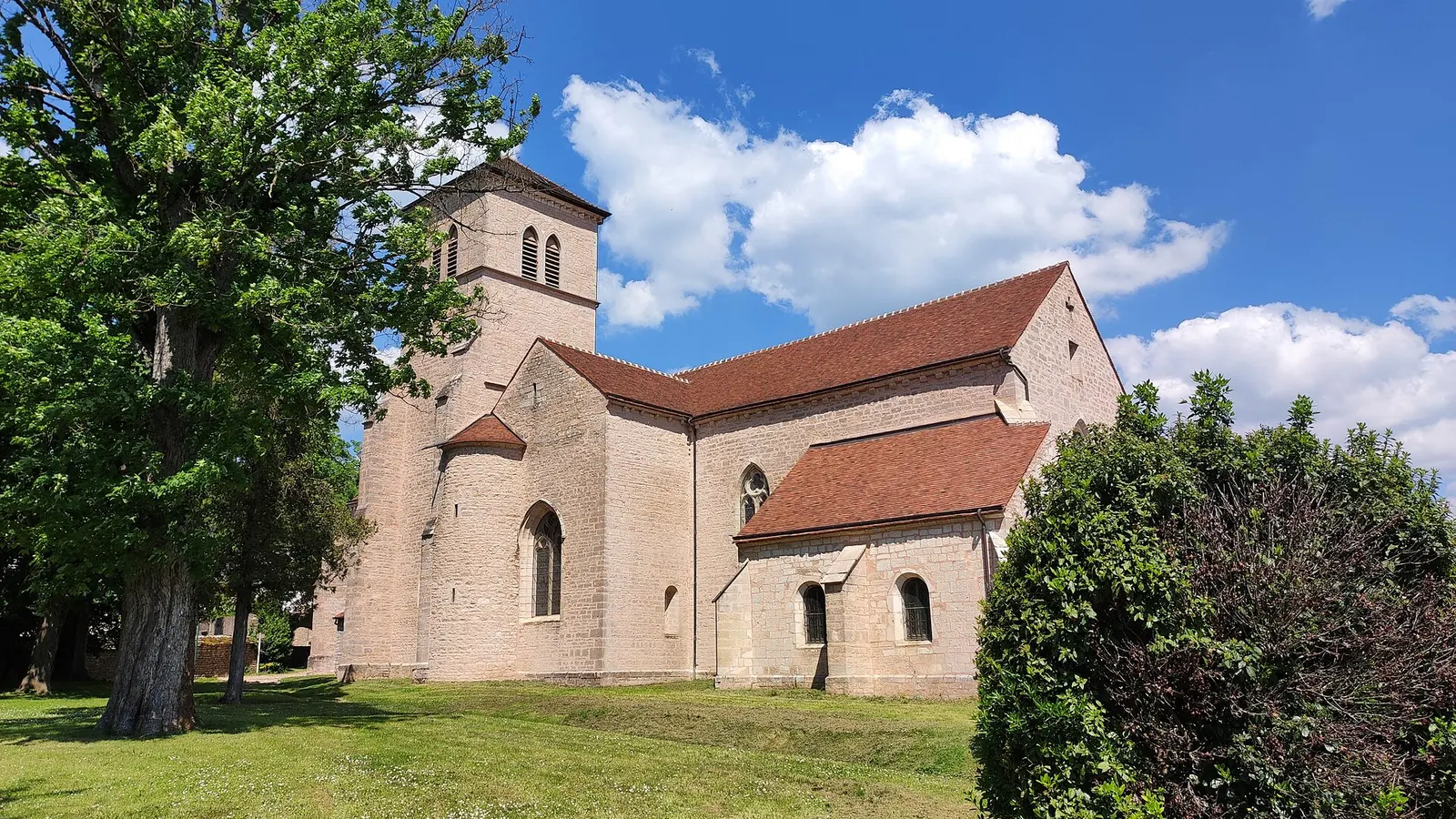
Église Saint-Antoine de Fixey
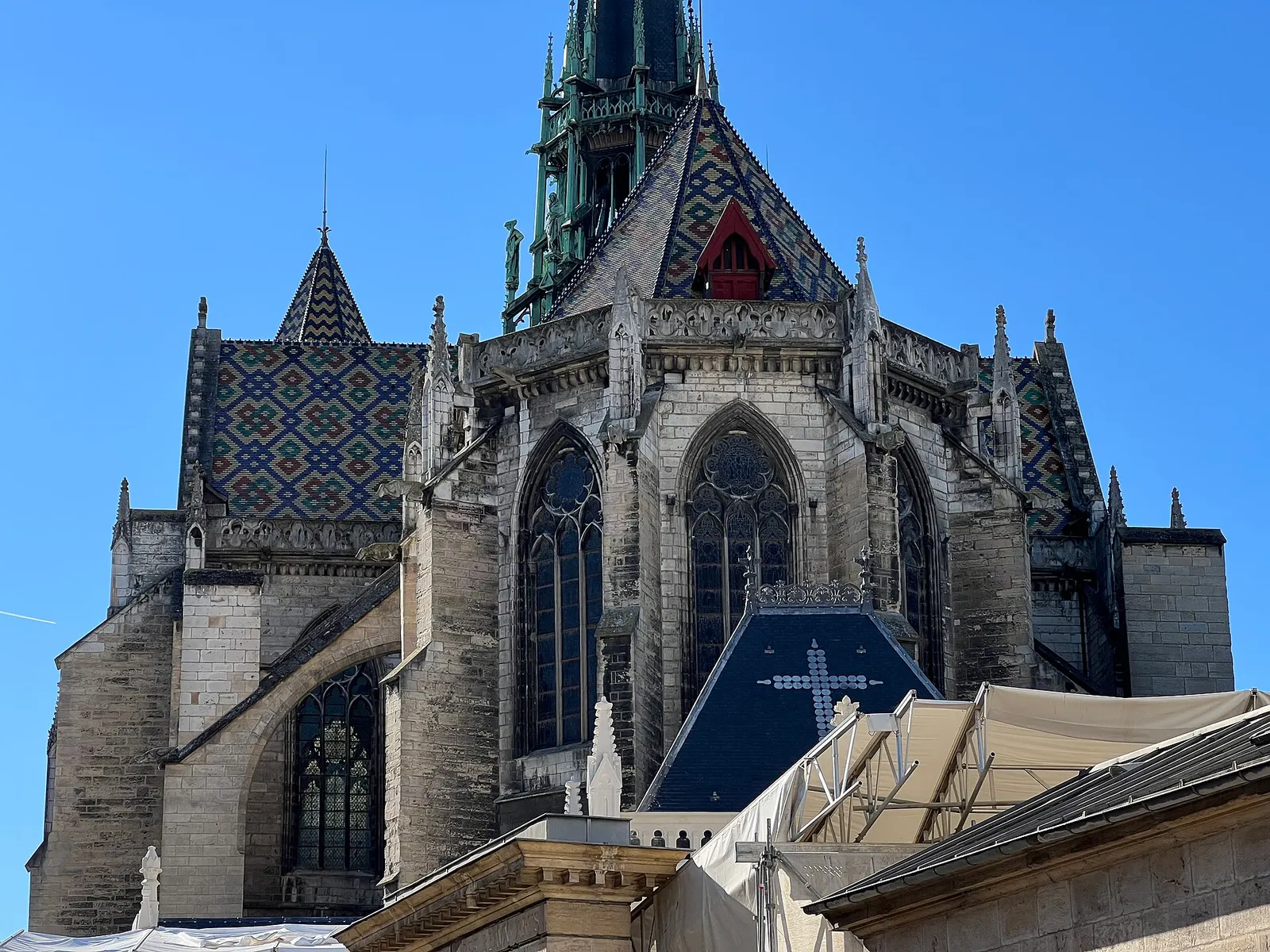
In the hamlet of Fixey, this small Romanesque church stands among the vines. It began as an oratory in 902, and its square tower is covered in glazed tiles.
The village wash house
Built in 1827, Fixin's wash house is fed by the iron-rich Chaulois spring, once valued for its health benefits. The water still leaves an ochre tint on the stone.
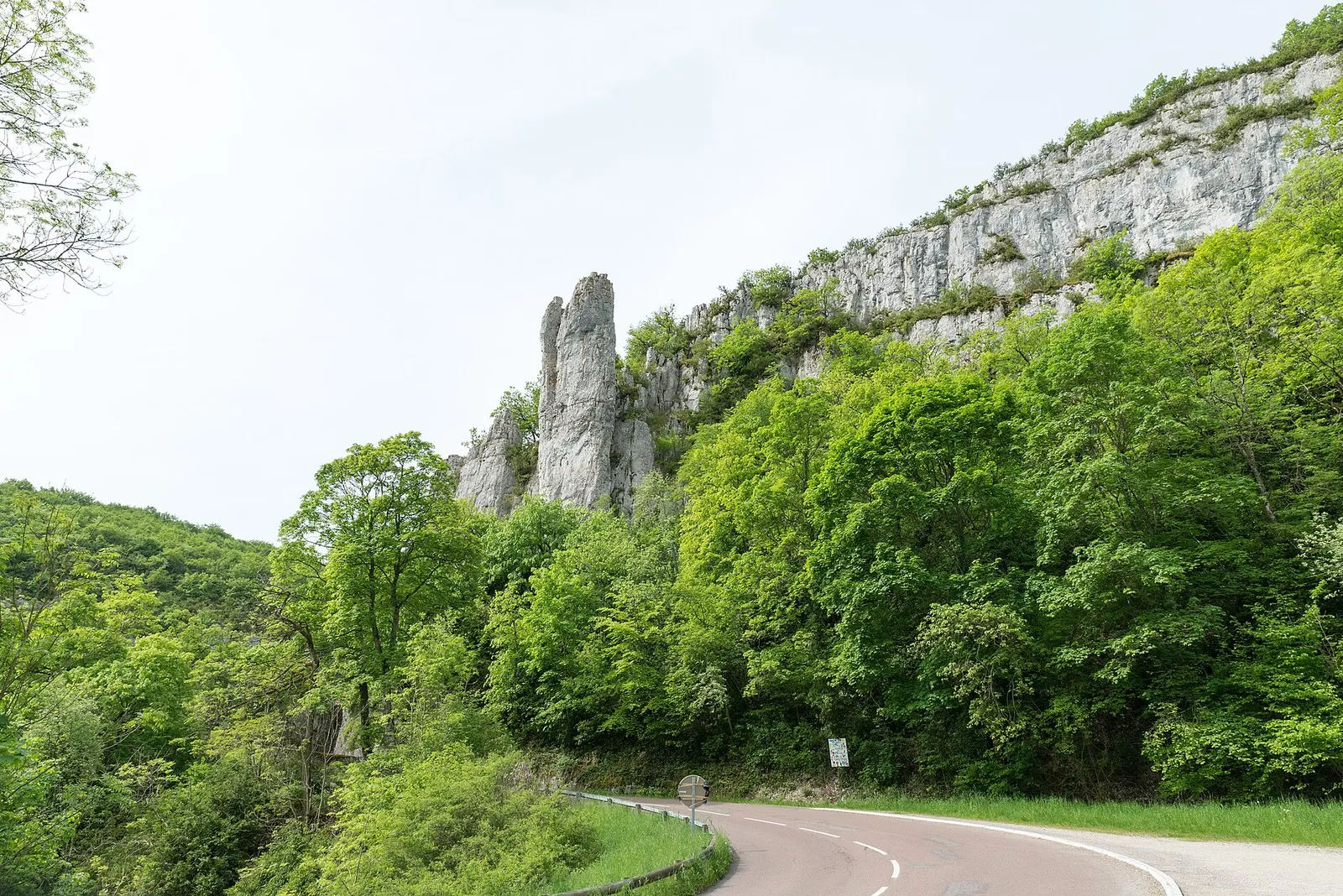
Combe de Fixin
Behind the village, this dry valley is popular with walkers and climbers. It has more than 200 climbing routes and paths up to the clifftops, with wide views over the combe.
Tips for your visit
Allow an hour to ninety minutes. Walk up to Parc Noisot, then drive the short way to Fixey's church. Fixin pairs easily with Marsannay to the north and Gevrey-Chambertin just to the south.
Around here
What to combine with Fixin on the same day, nearest first.
Gevrey-Chambertin
2 km awayMarsannay-la-Côte
3 km awayMorey-Saint-Denis
6 km away
- Nature and viewpoint
Combe Lavaux–Jean Roland Nature Reserve Réserve naturelle de la Combe Lavaux - Jean Roland
3 km away
Guides about Fixin
Questions
Fixin is about 35 min from Beaune by road (35 km). With a private driver, the trip from Beaune starts at €125 for the whole car, up to 4 guests.
Did you know? Claude Noisot asked to be buried standing, sword drawn, facing his emperor's statue. The rock proved too hard to dig, so he lies at rest in his park in the usual way.
Sources
Fixin with a private driver
Half-day wine tour plus one hour from Beaune: €360 for the car, up to 4 guests