Dijon
Burgundy's historic capital, city of the Valois dukes and northern gateway to the Route des Grands Crus.
- City
- 40 min from Beaune
At a glance
Getting there
Private driver from Beaune: 40 min by road (47 km), €120 one way for the whole car.
Coming by train or plane? Transfers from stations and airports →
About Dijon
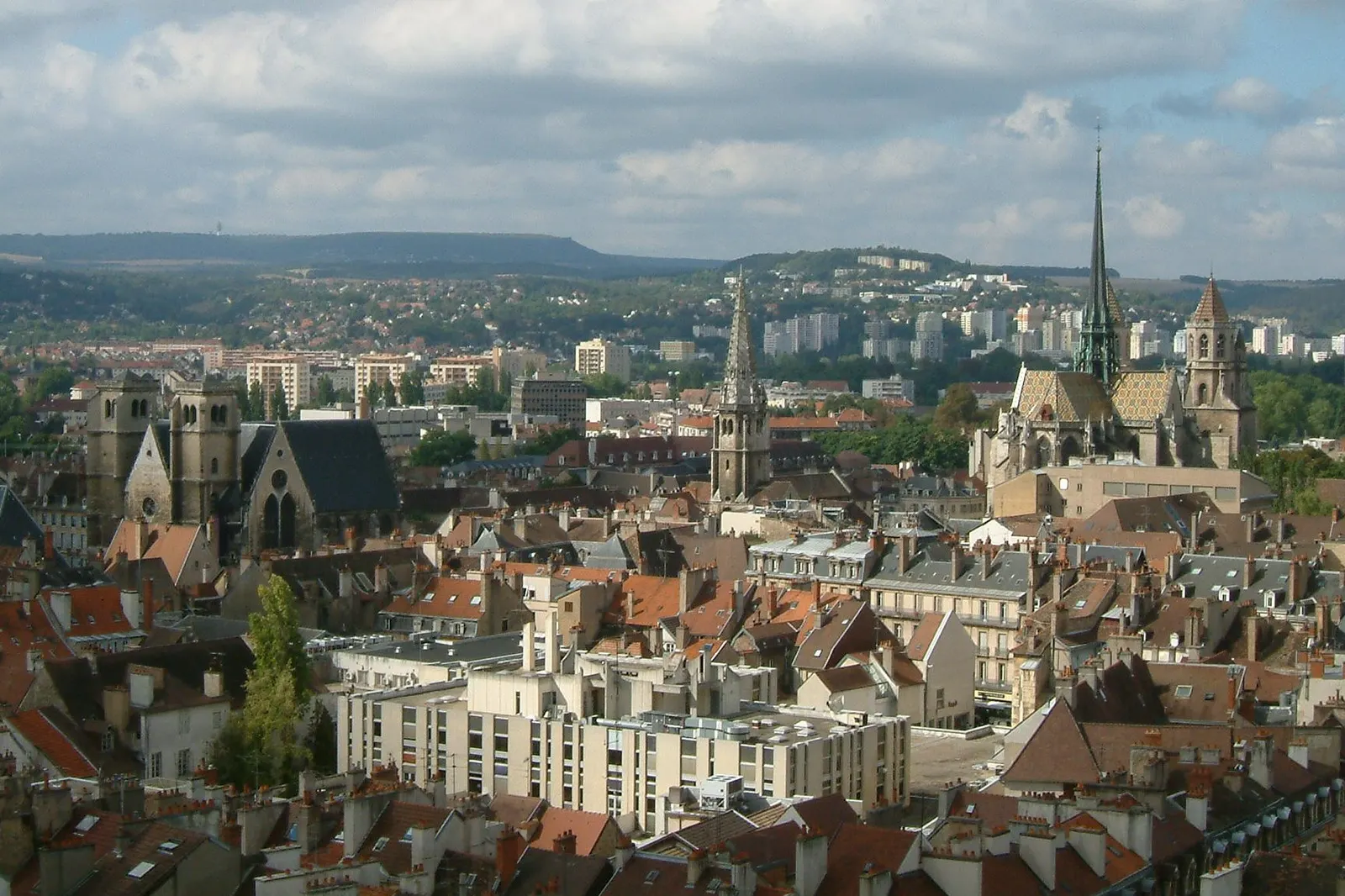
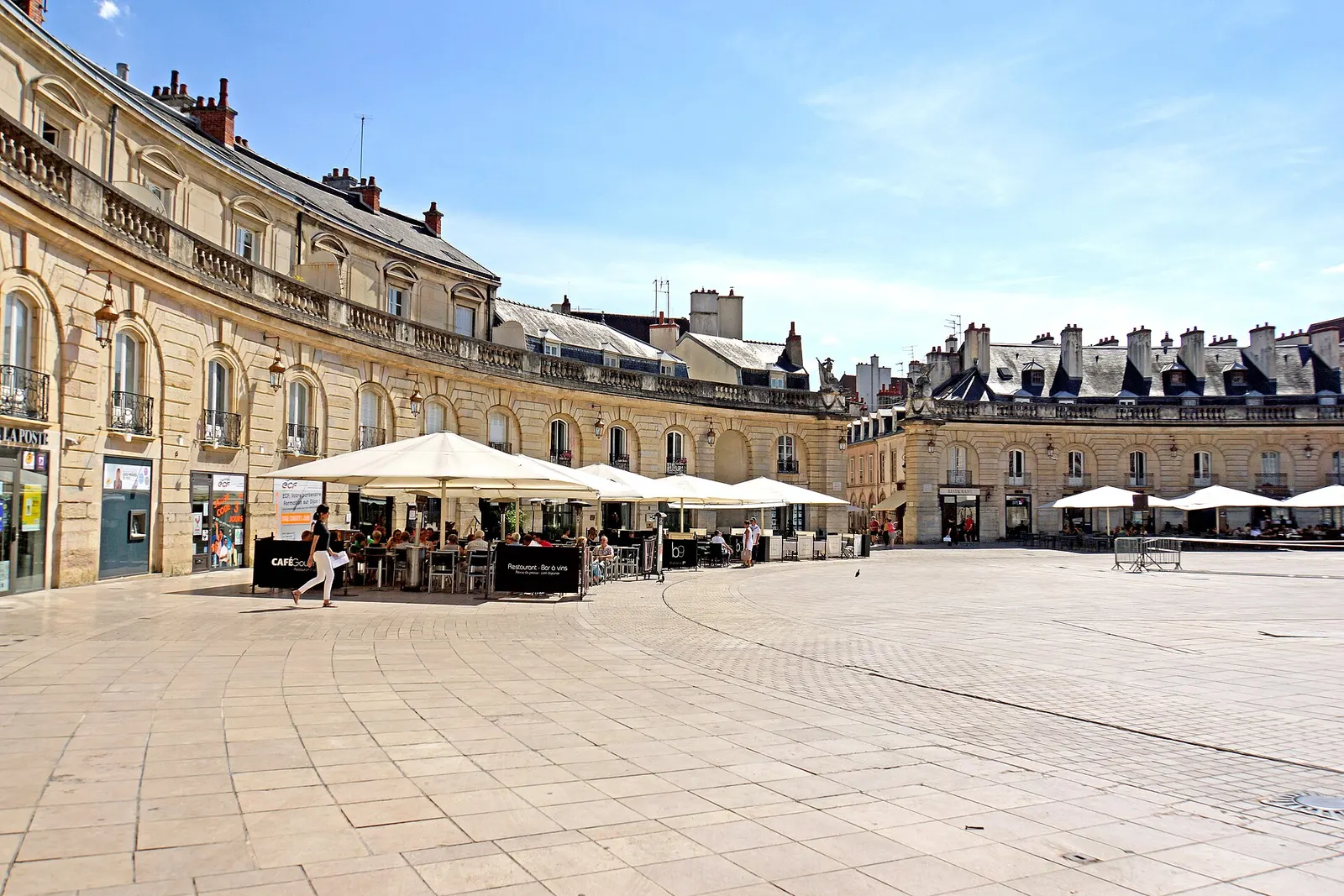
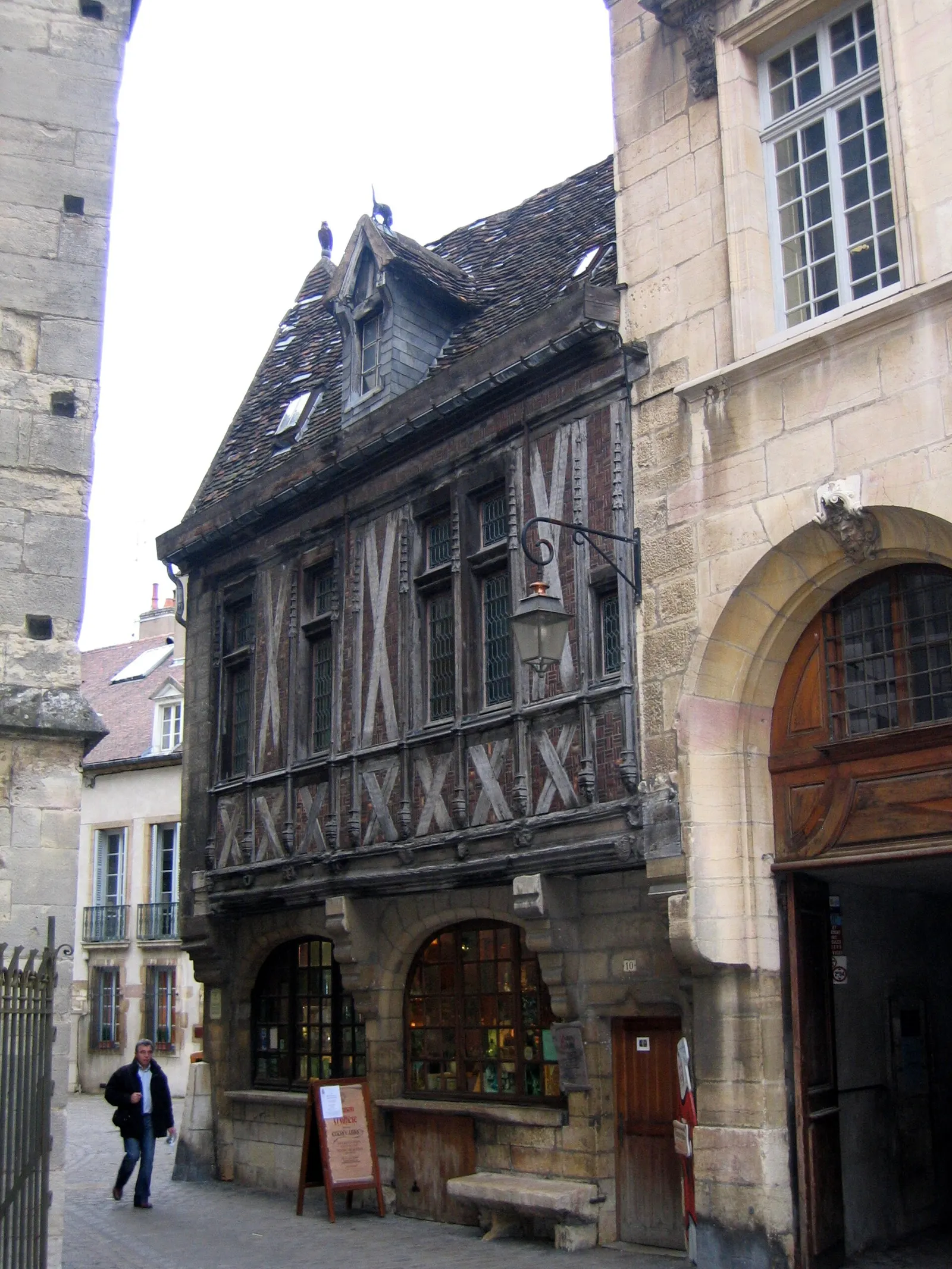
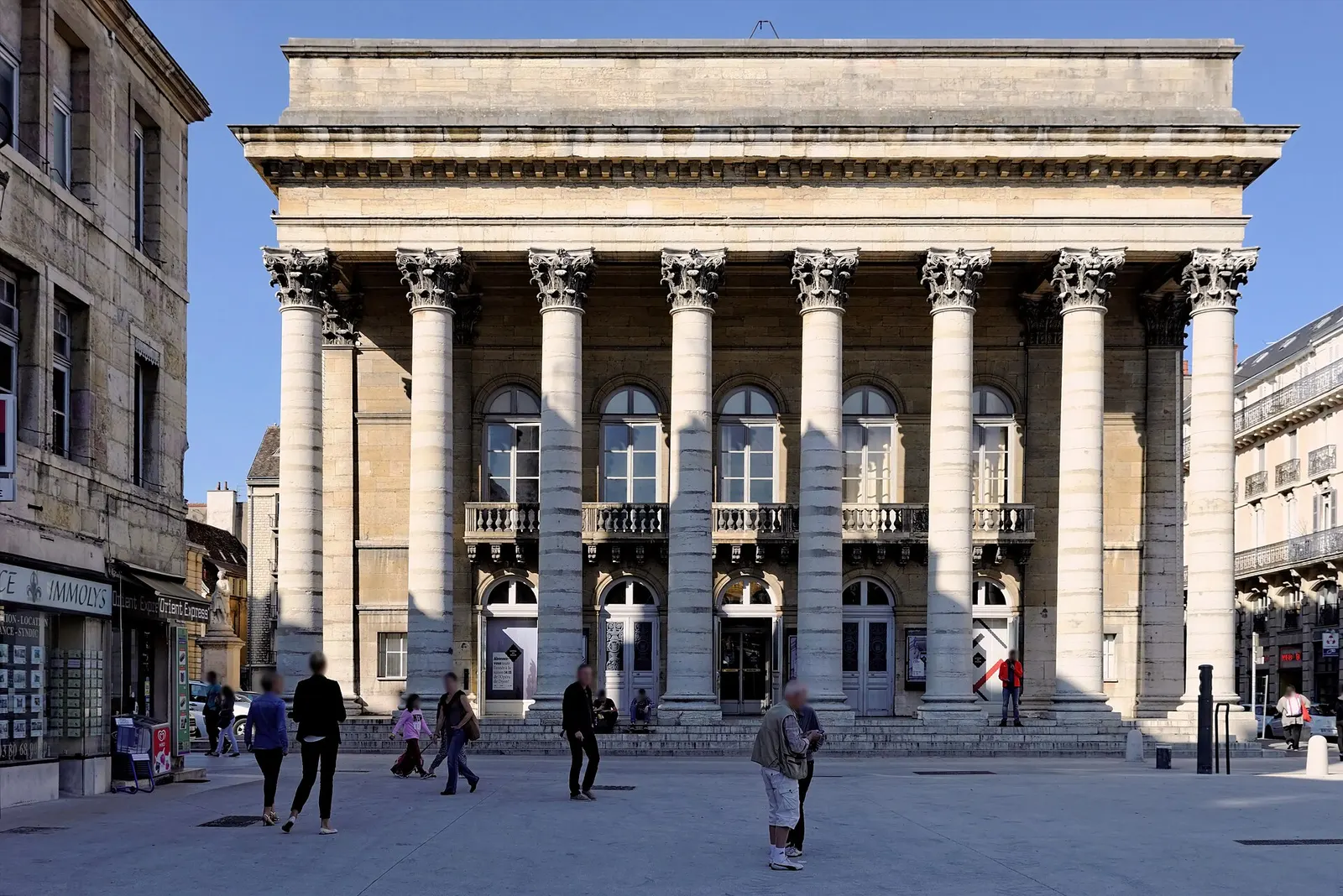
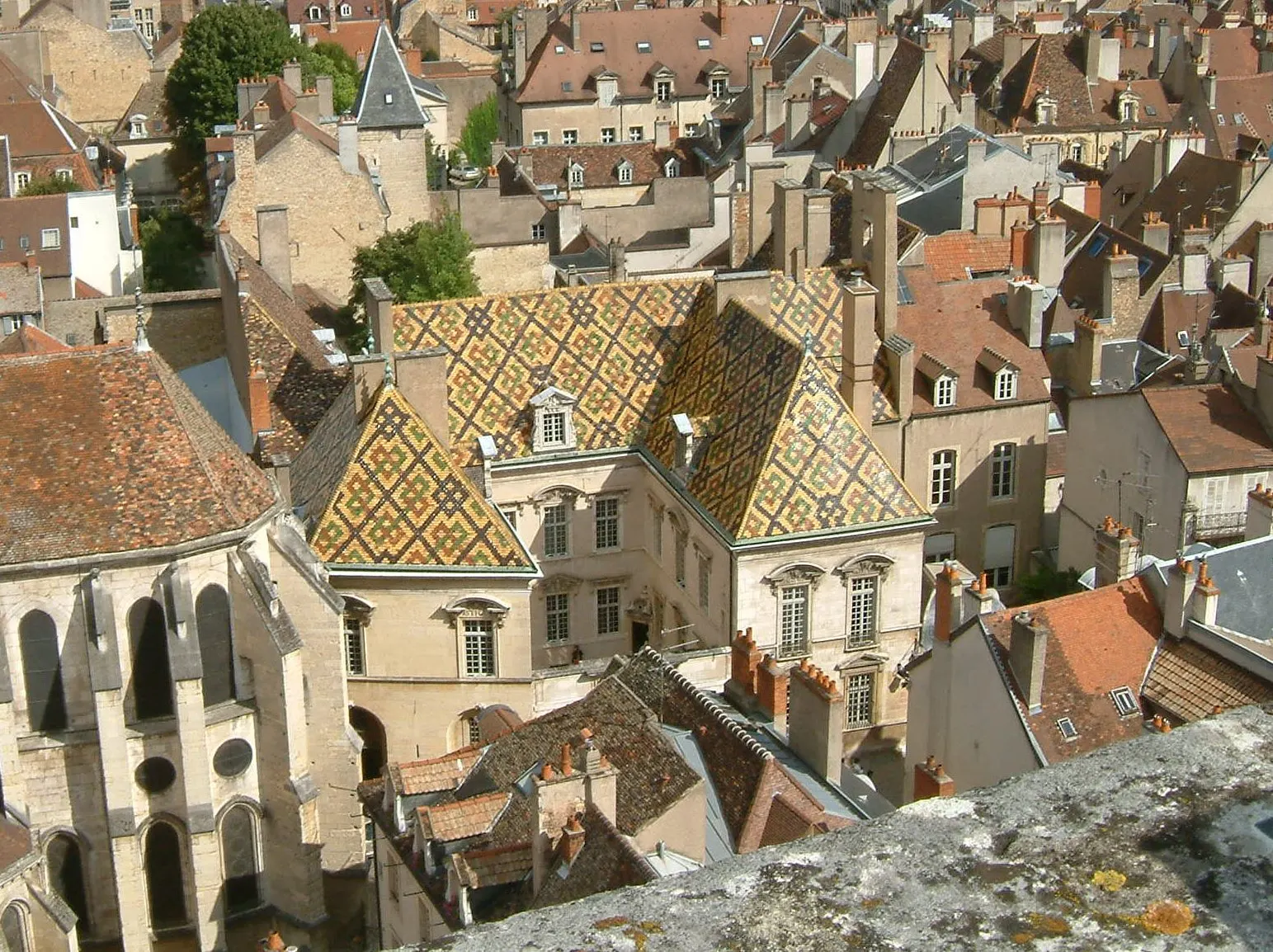
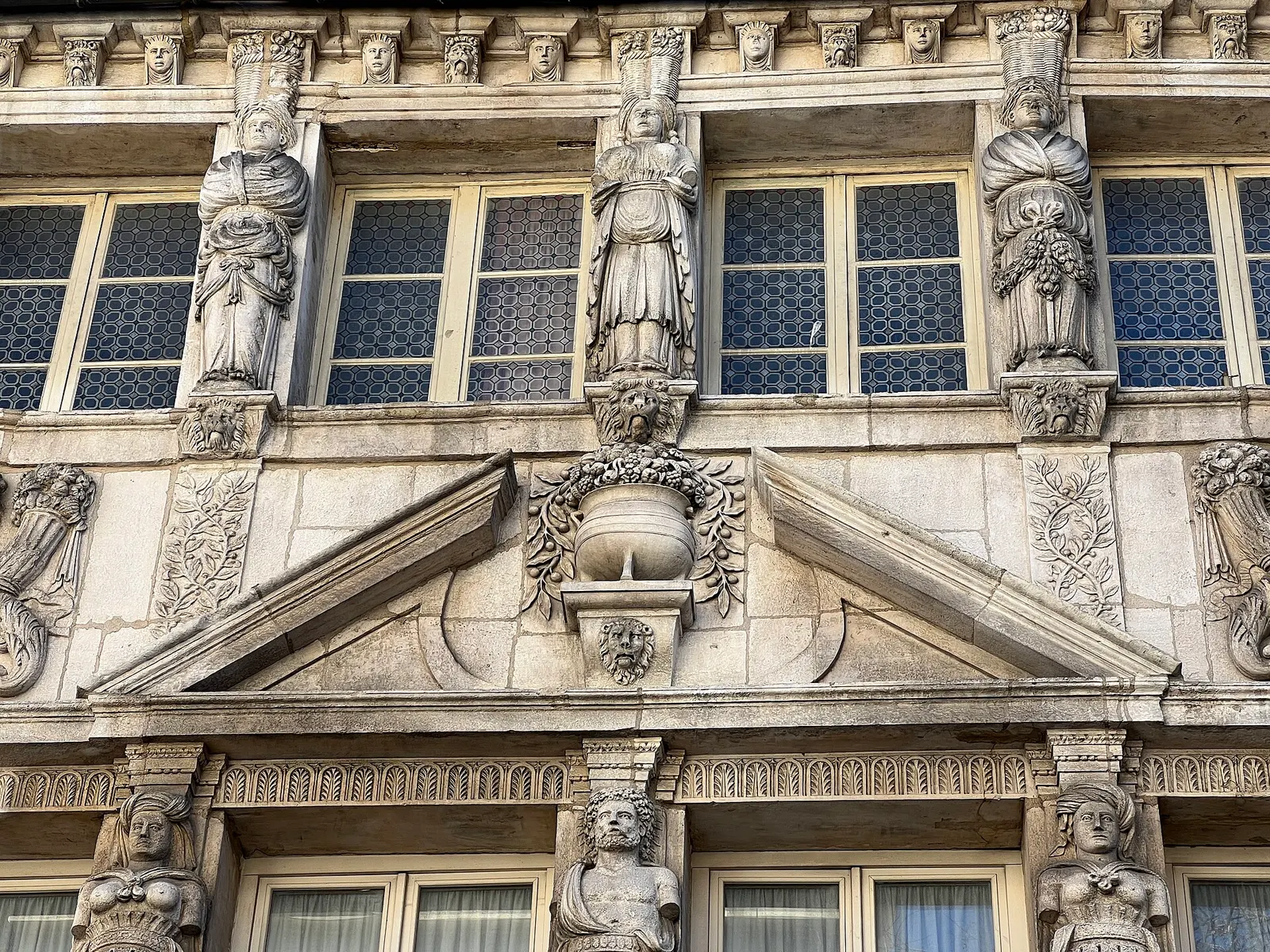
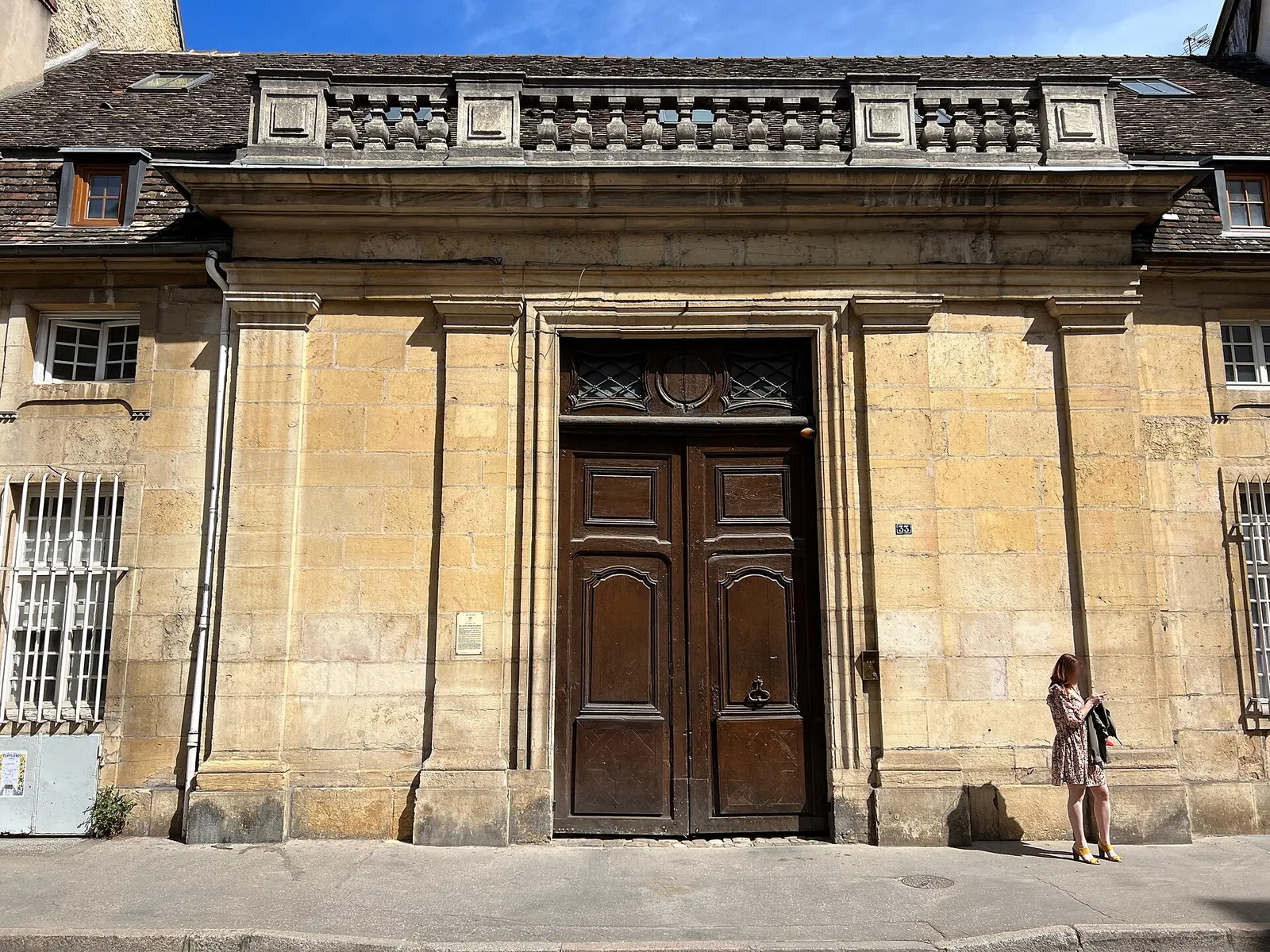
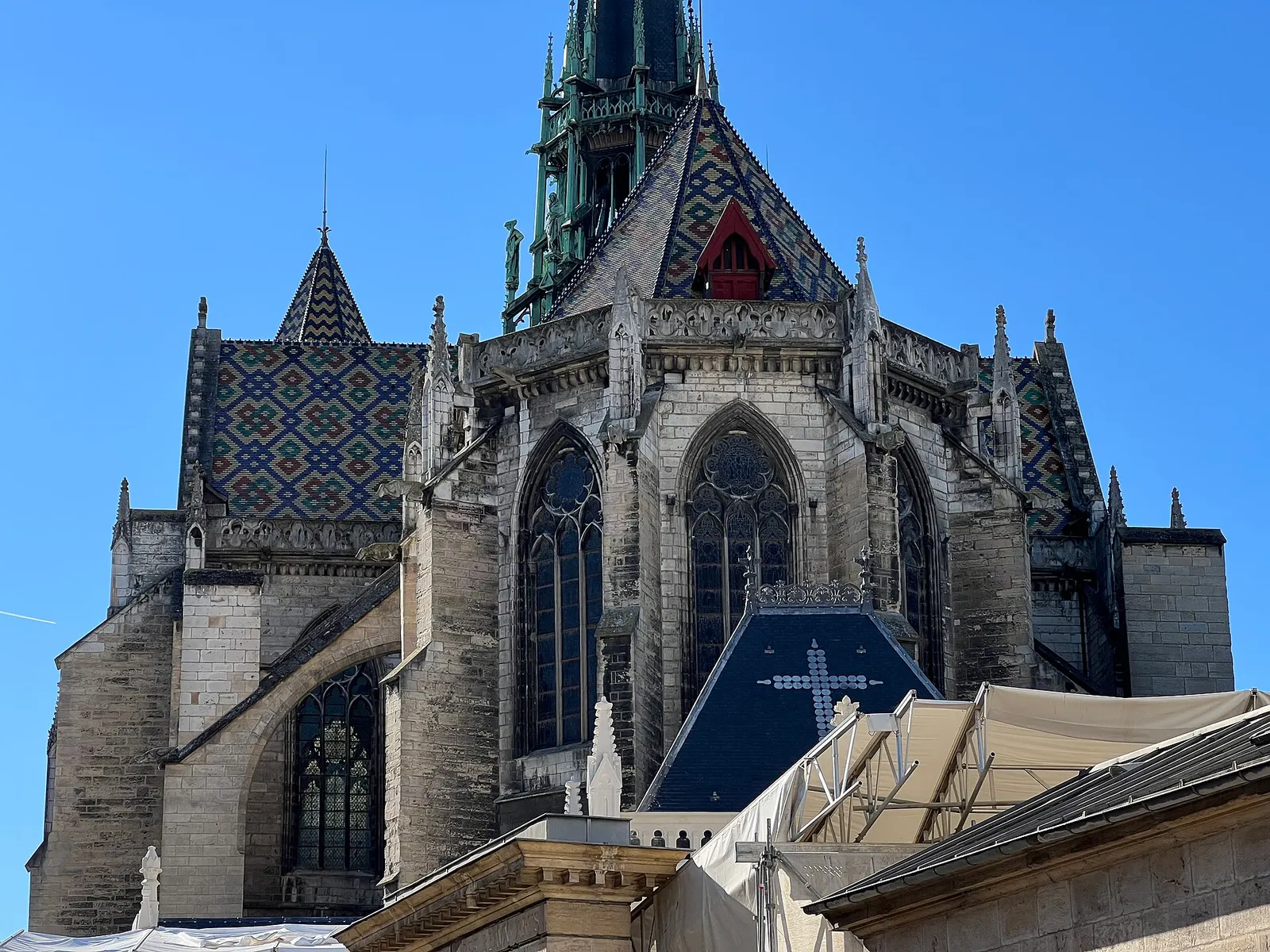
Dijon was the capital of the Dukes of Burgundy, and its old centre still shows that wealth in palaces, churches and half-timbered houses. It is also where the Route des Grands Crus begins. Since 2015 its historic centre has been part of the UNESCO World Heritage listing of the Climats of the Burgundy vineyard.
The wines
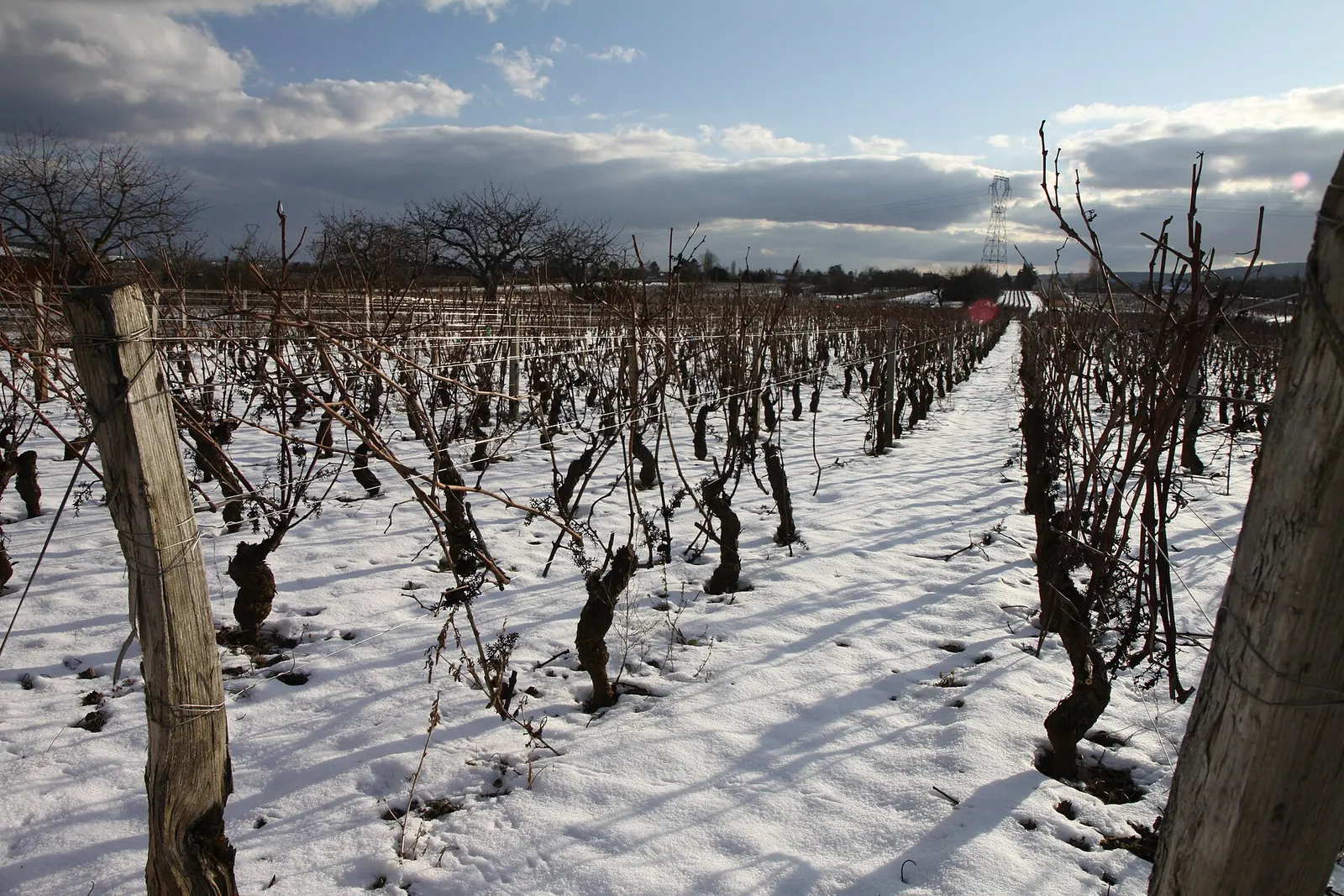
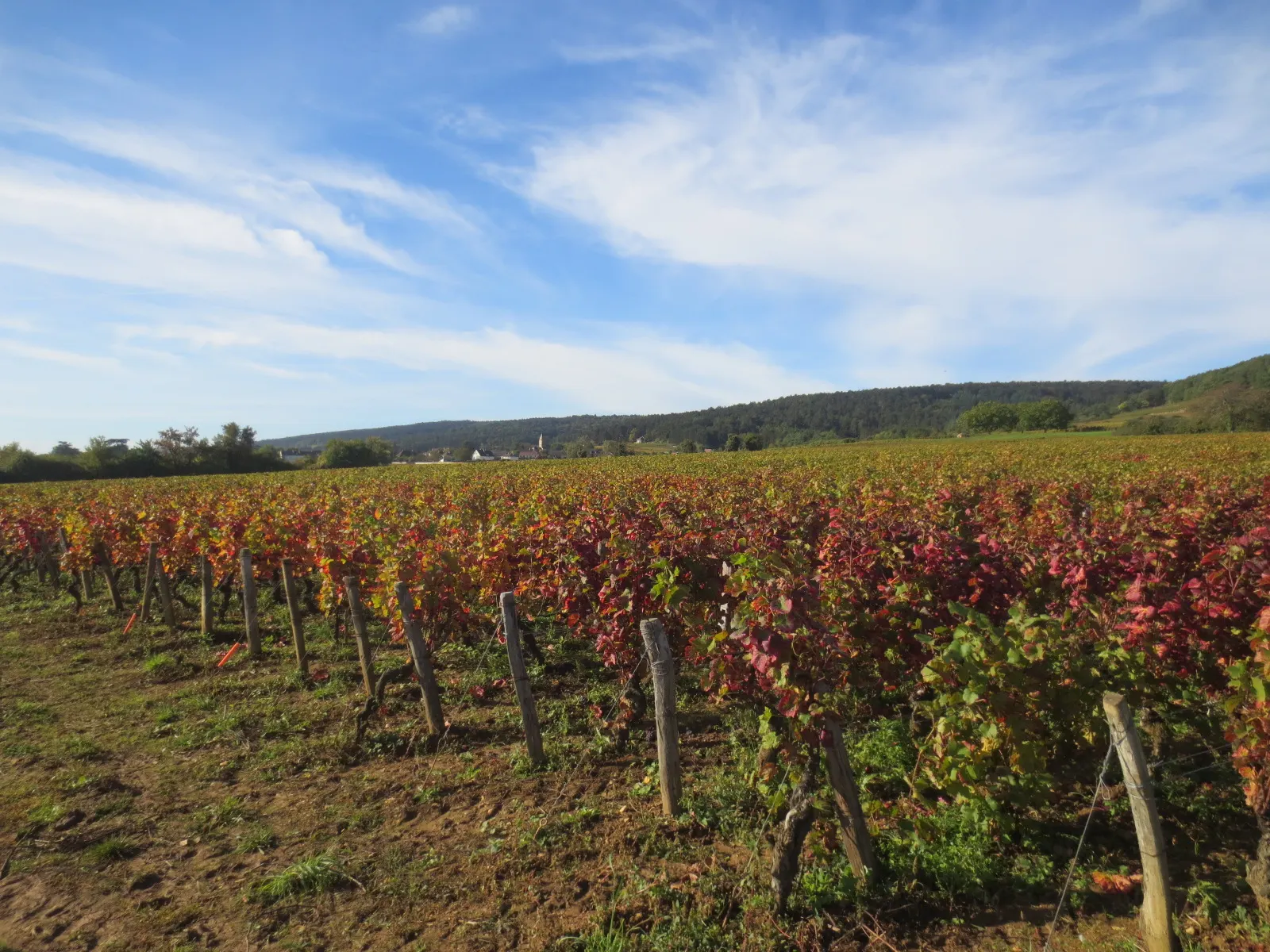
Dijon is not a village appellation in its own right, but it was once a real wine town. In the 19th century its vineyards covered about 1,200 hectares, before the city grew over them. A small east-facing hillside to the west survives as Bourgogne Montrecul, planted with Pinot Noir on limestone topped with gravel and red clay. It is one of the very few regional-level climats allowed to show its name on the label.
History
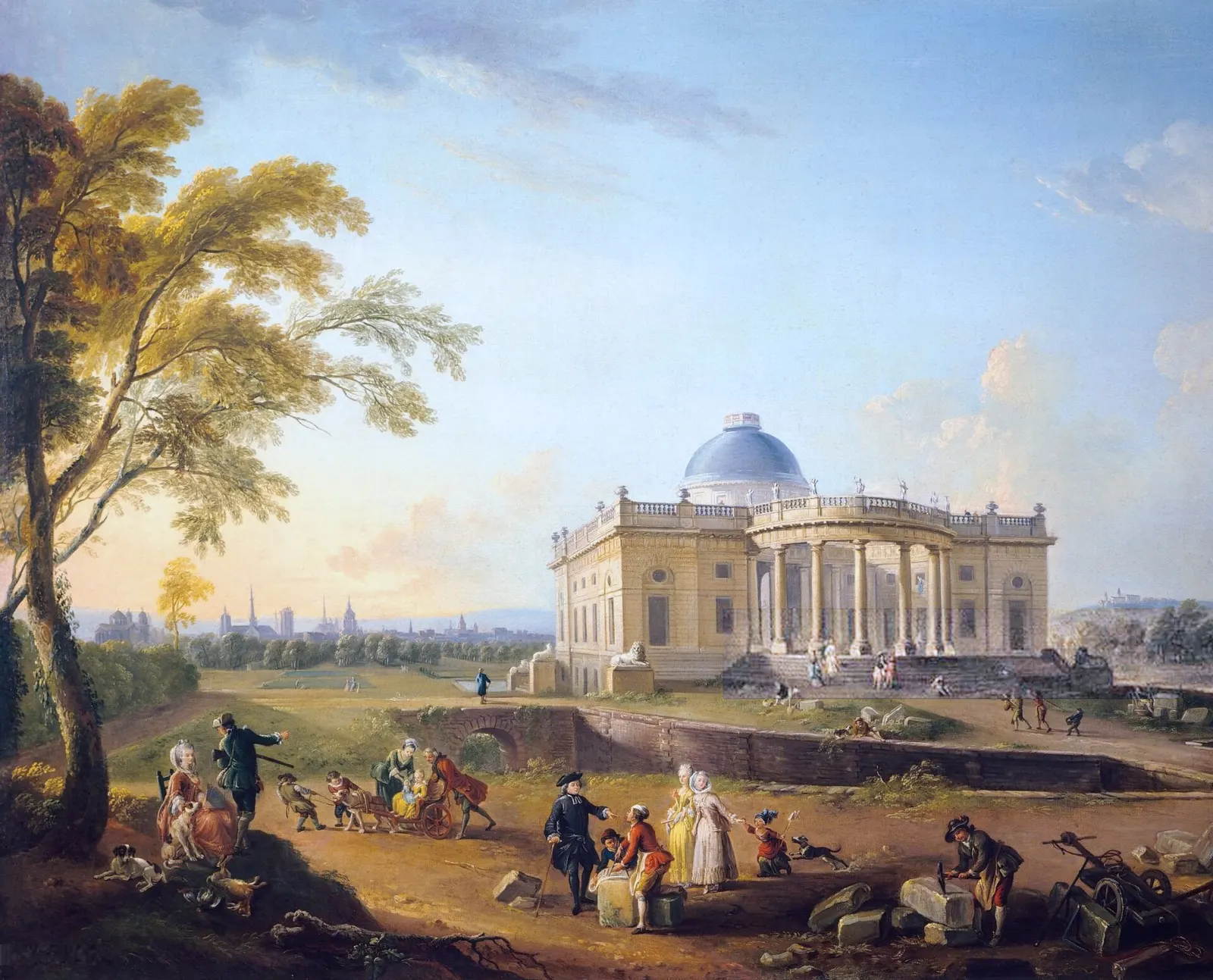
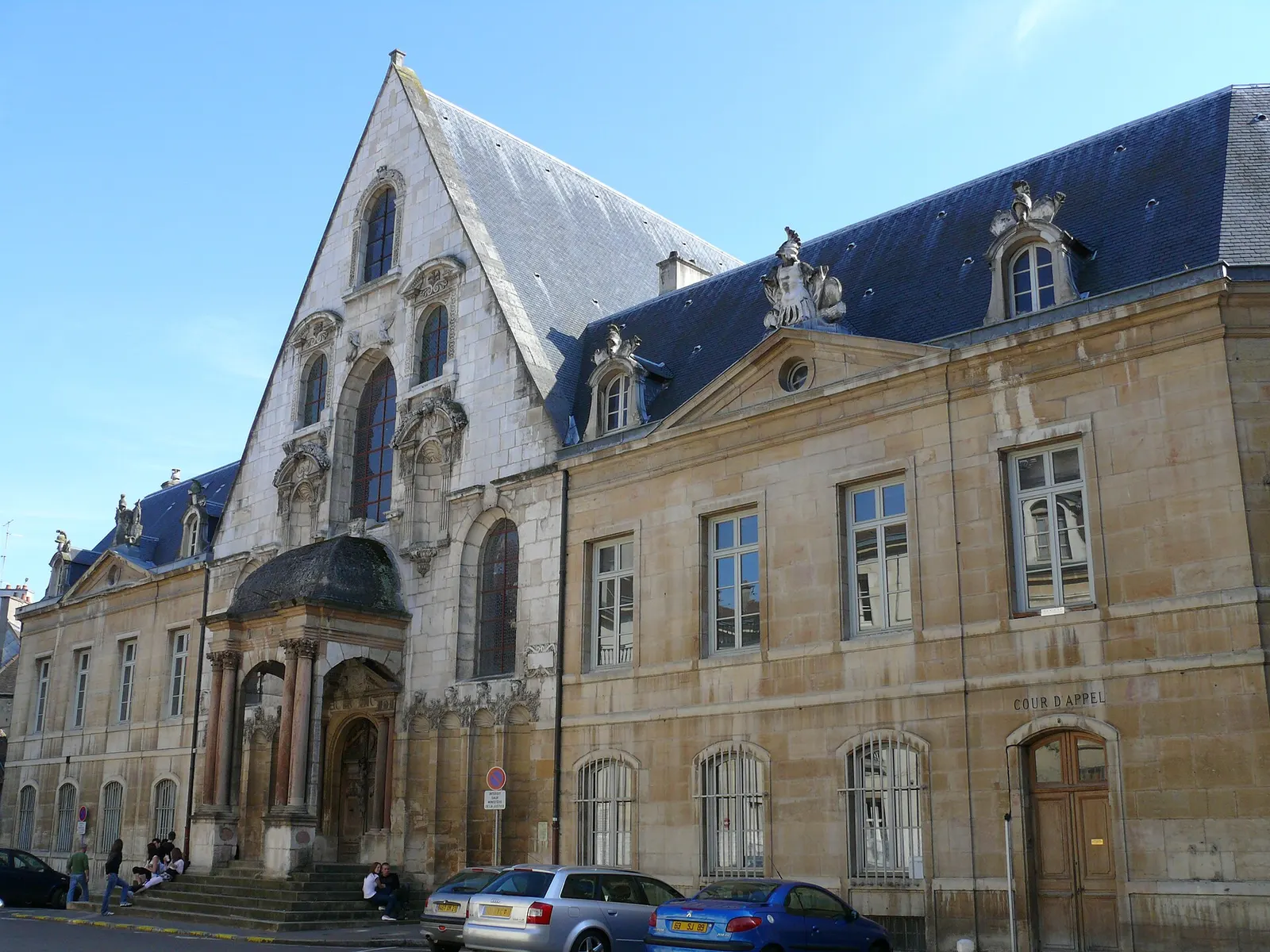
Dijon's great age came under the four Valois dukes, who ruled Burgundy from 1363 to 1477. Philip the Bold founded the Chartreuse de Champmol as the family's burial place. Philip the Good rebuilt the ducal palace and, in 1432, made its chapel the seat of the Order of the Golden Fleece. Their lands reached as far as the Low Countries. When Charles the Bold was killed at the battle of Nancy in 1477, Louis XI took the duchy for France.
The dukes also shaped the vineyard. In 1395 Philip the Bold issued an ordinance banning the Gamay grape, often called the first wine quality policy in history. Much later, the growing city covered most of its own vines. In 1937 the Route des Grands Crus was created from Dijon to Santenay, and in 2015 UNESCO listed the Climats of the Burgundy vineyard, 1,247 named plots, together with the historic centres of Dijon and Beaune.
What to see
Palace of the Dukes and Musée des Beaux-Arts
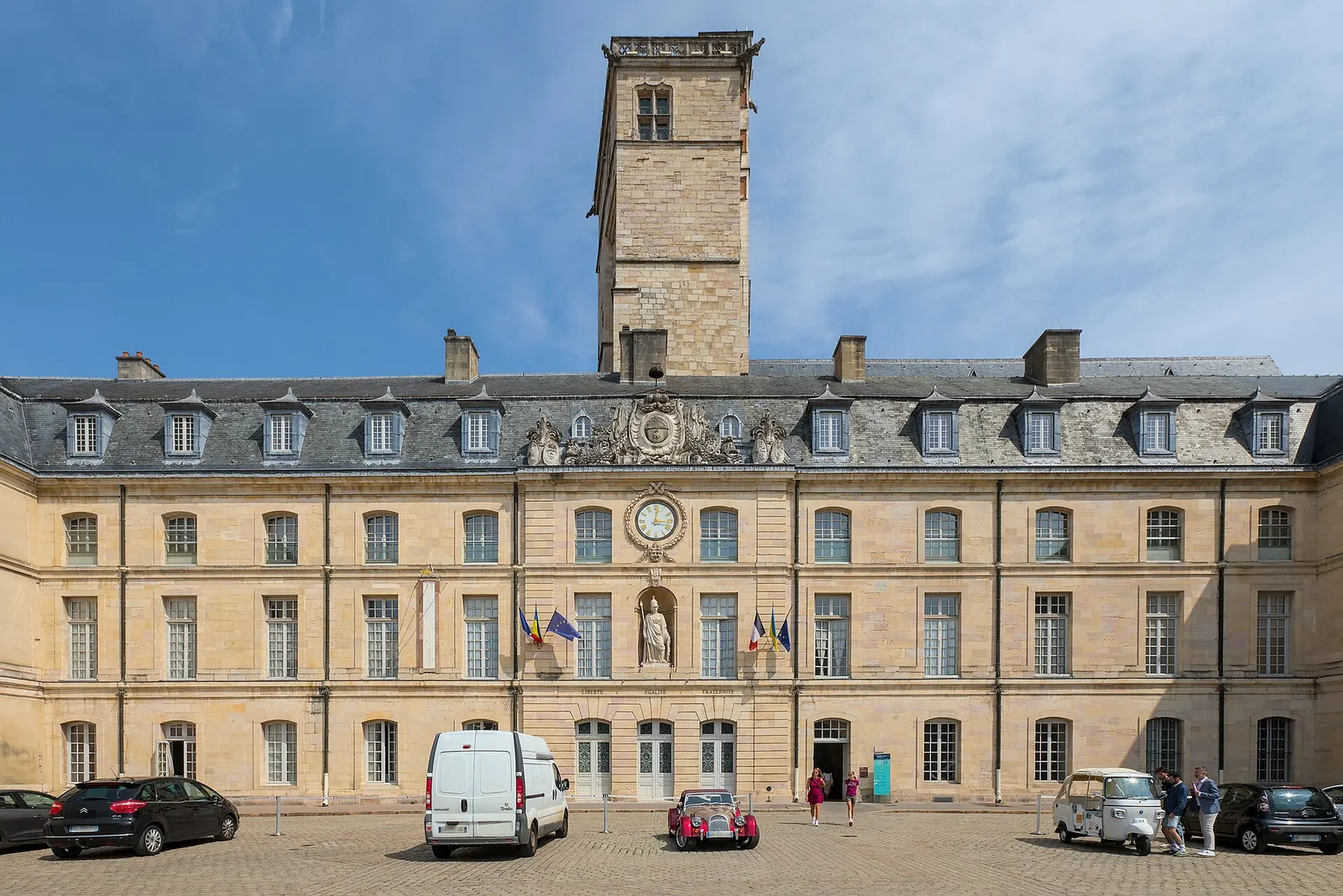
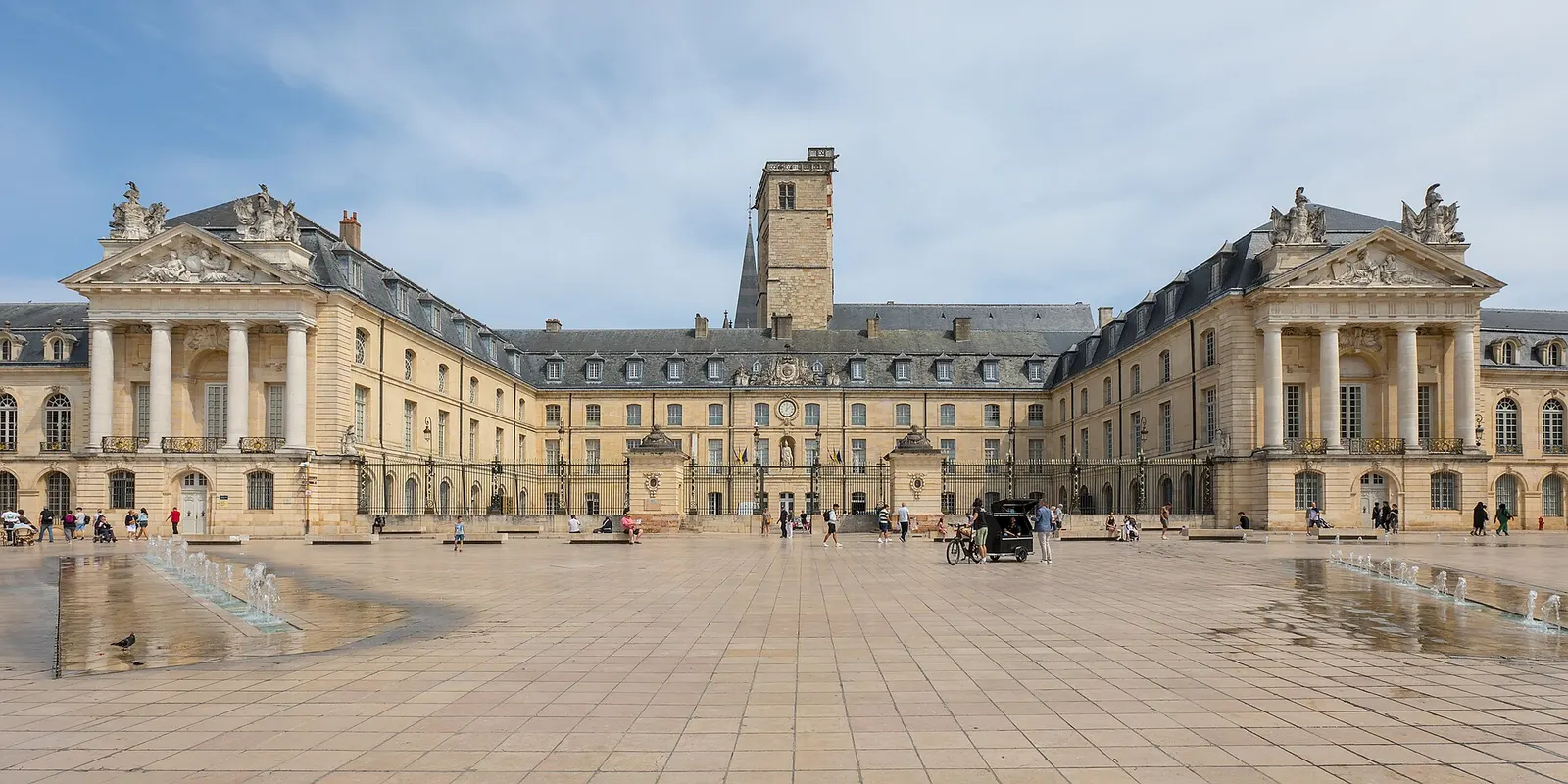
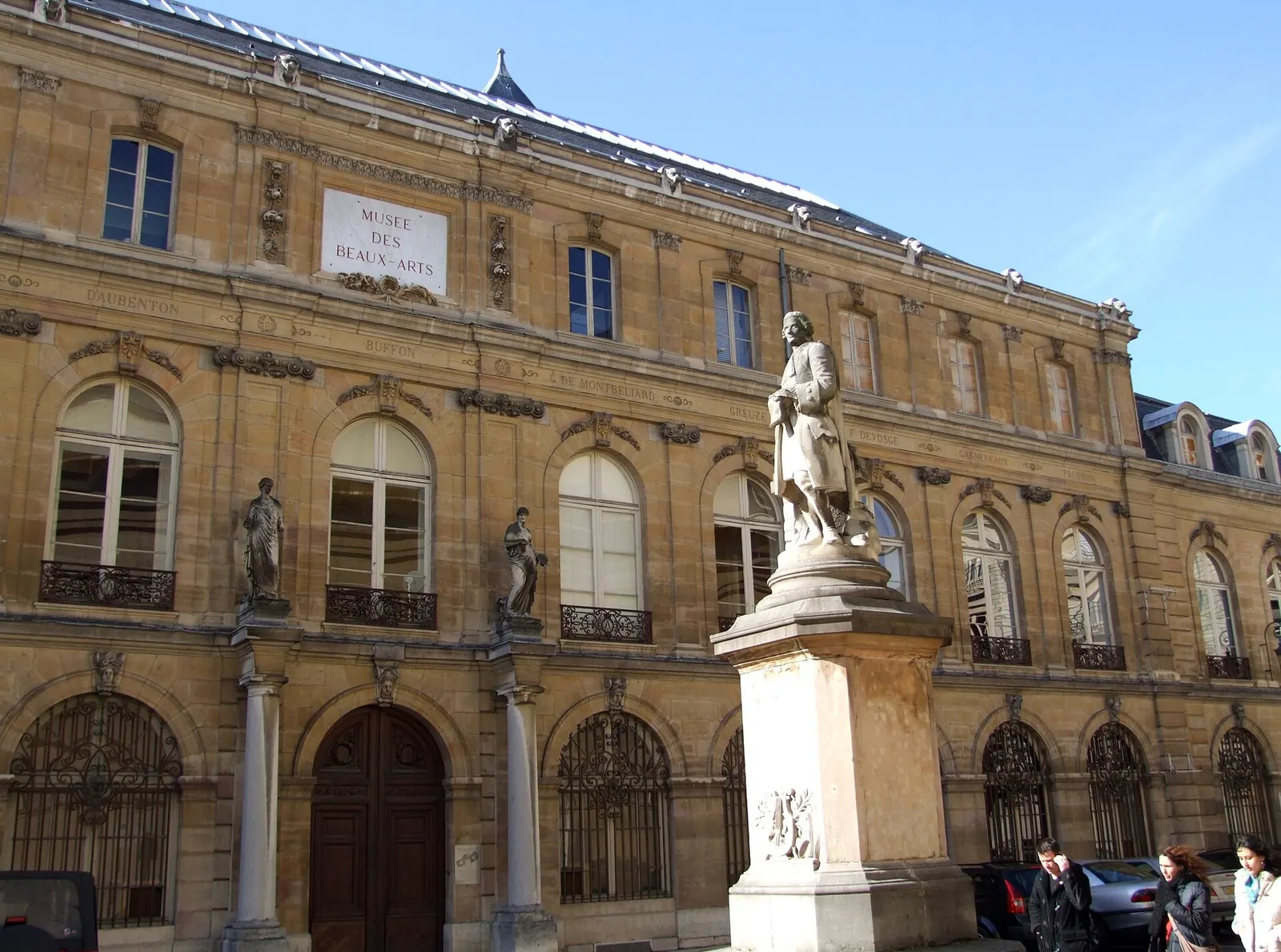
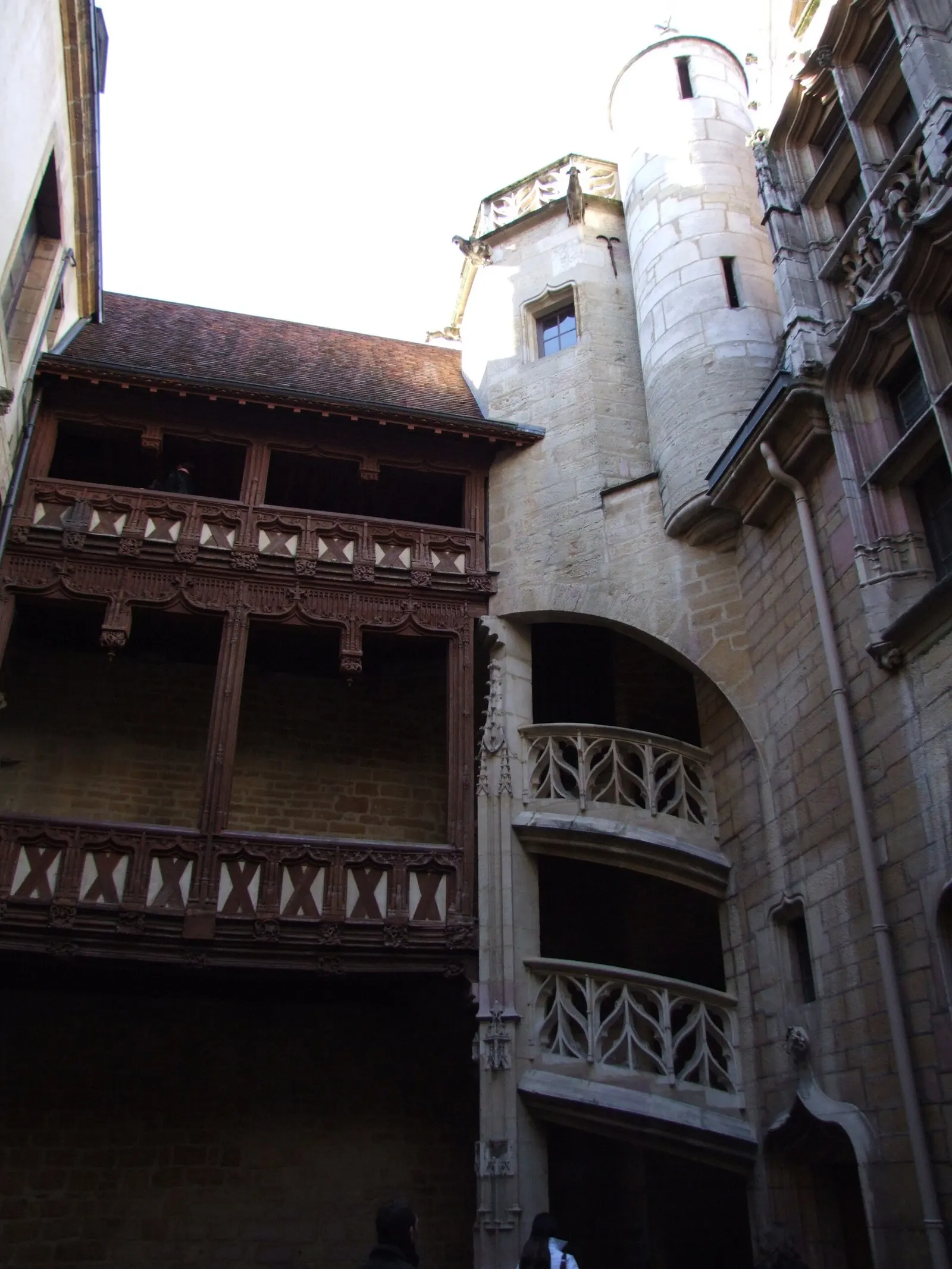
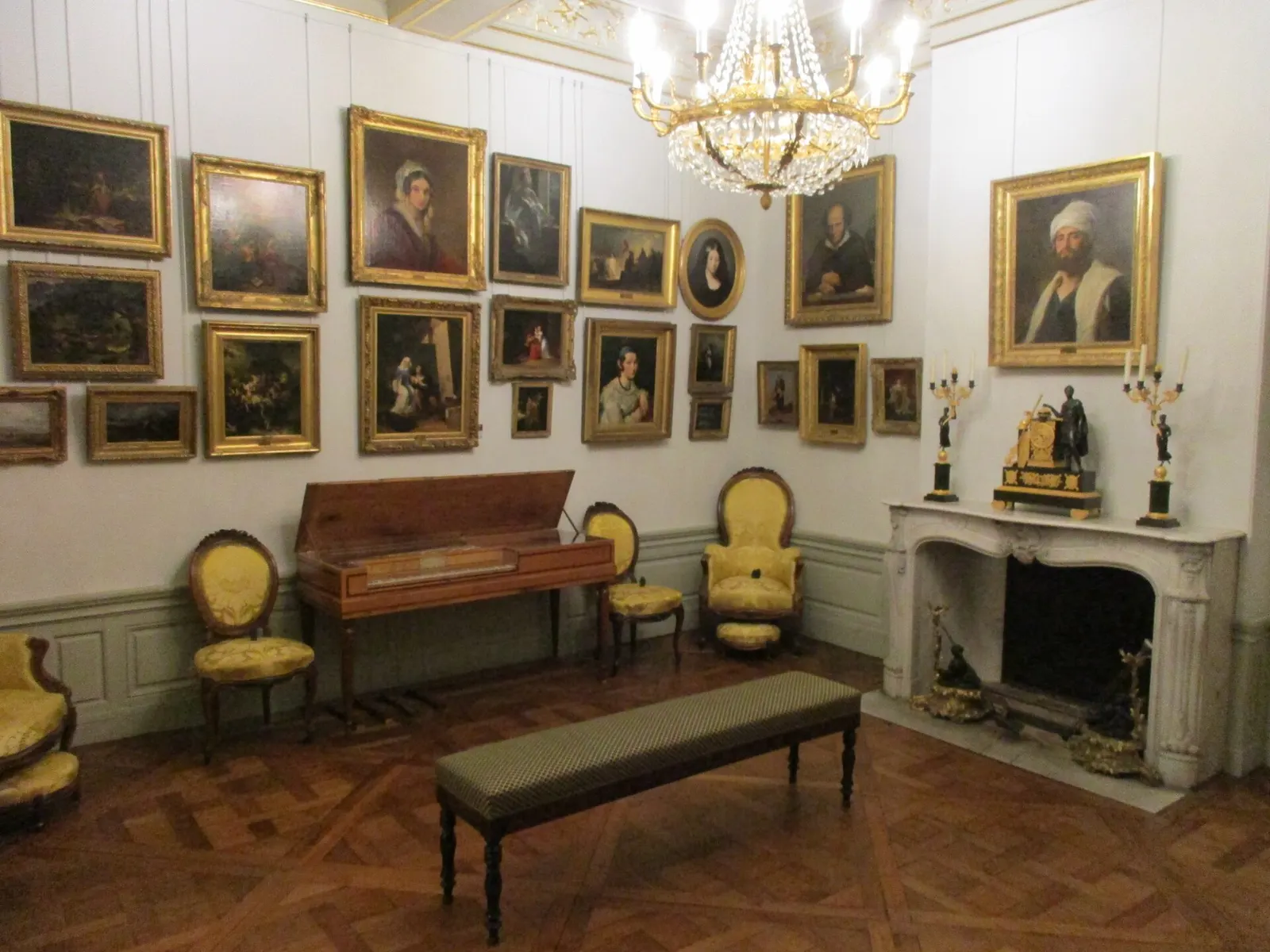
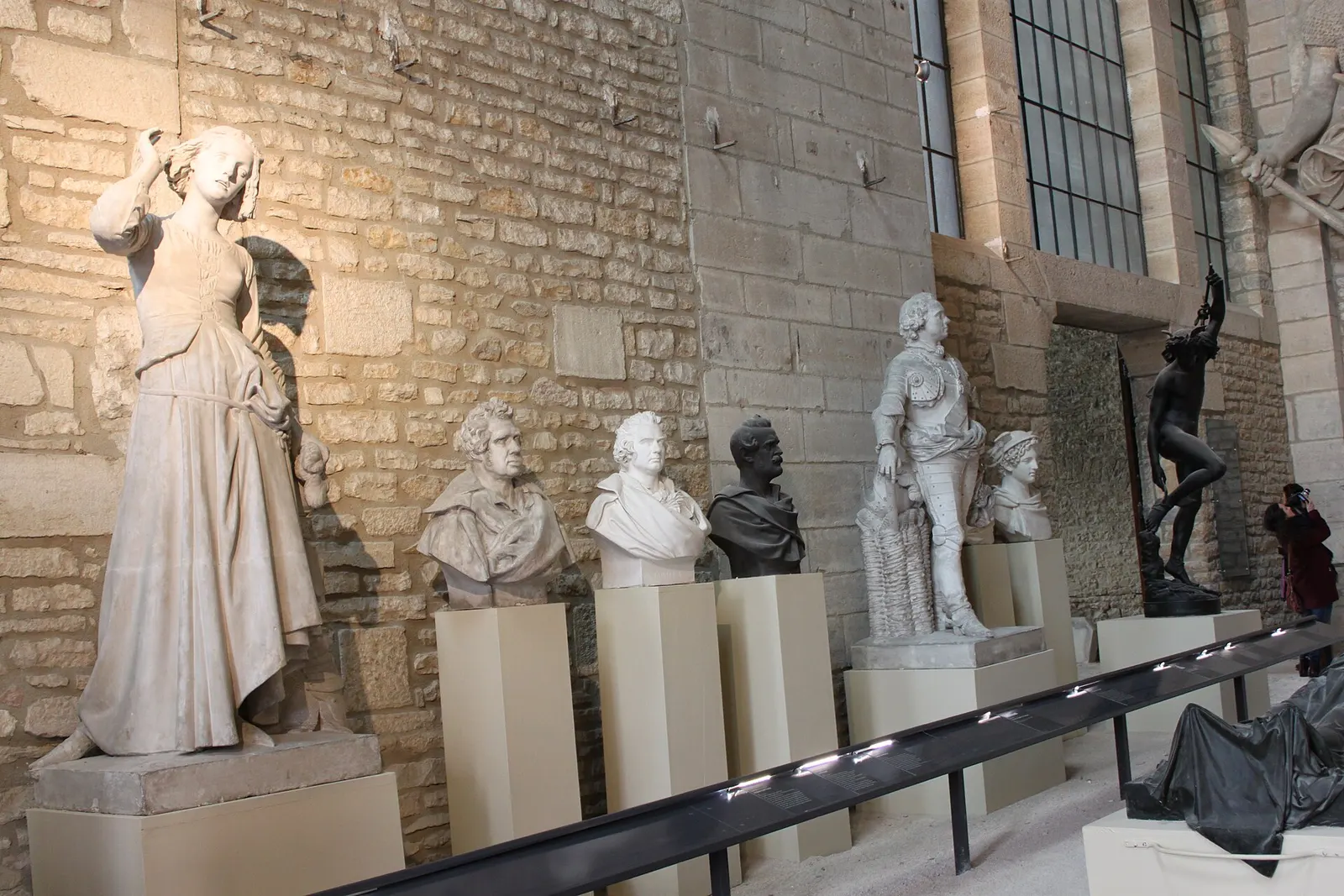
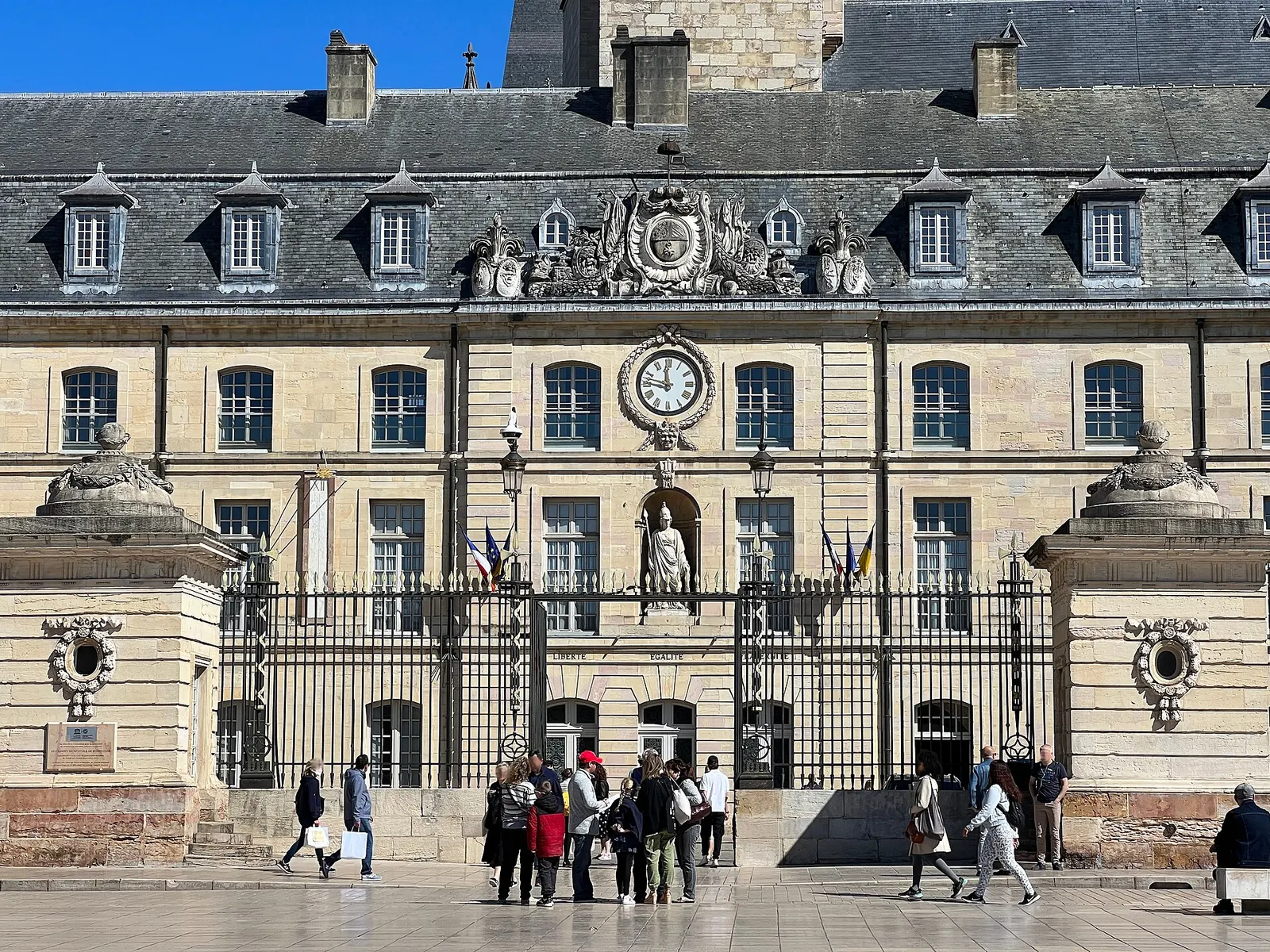
The former ducal palace now houses the town hall and the fine arts museum, home to the tombs of Philip the Bold and John the Fearless. Its 15th-century tower has 316 steps.
The Owl and the Owl Trail
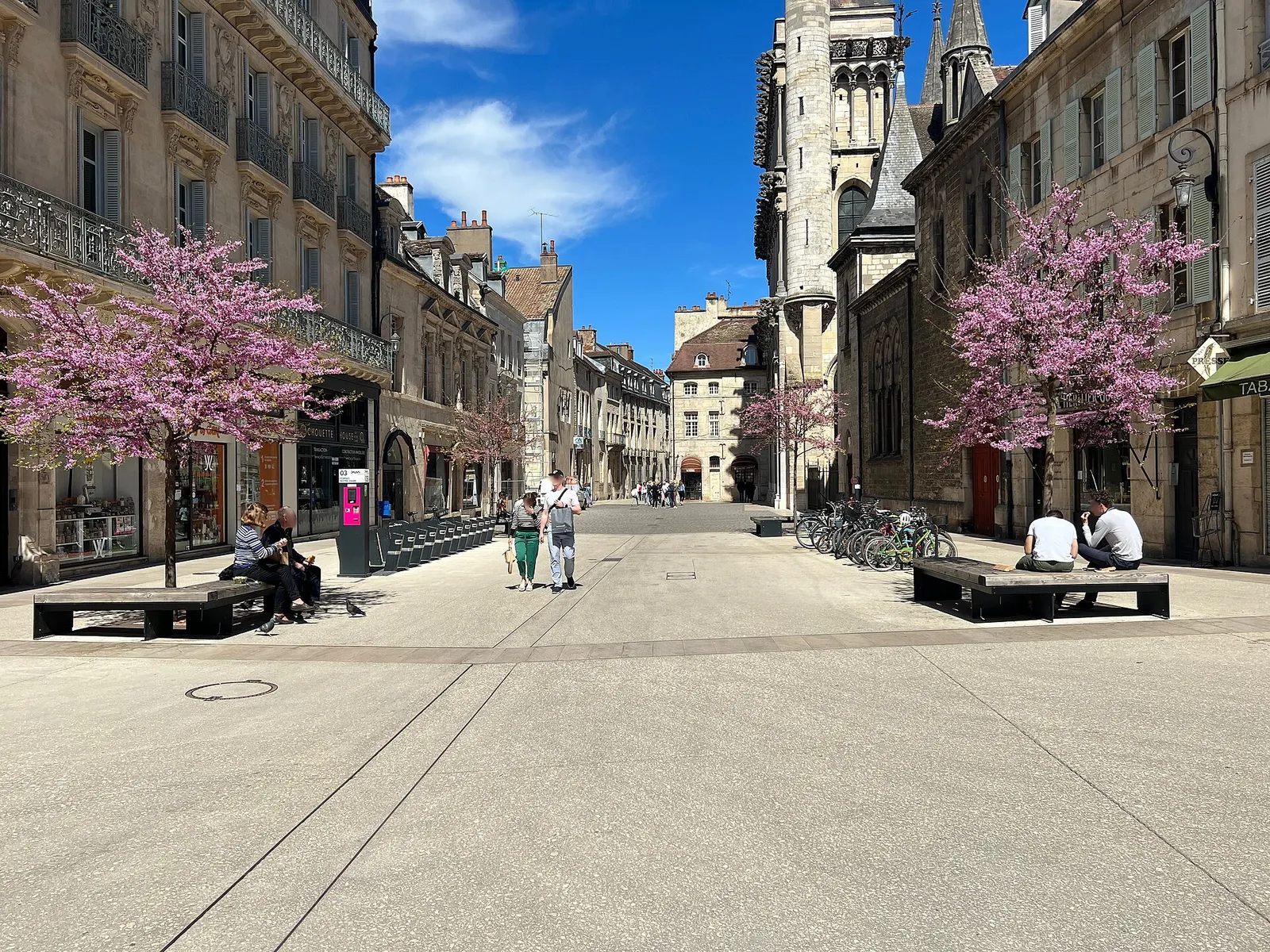
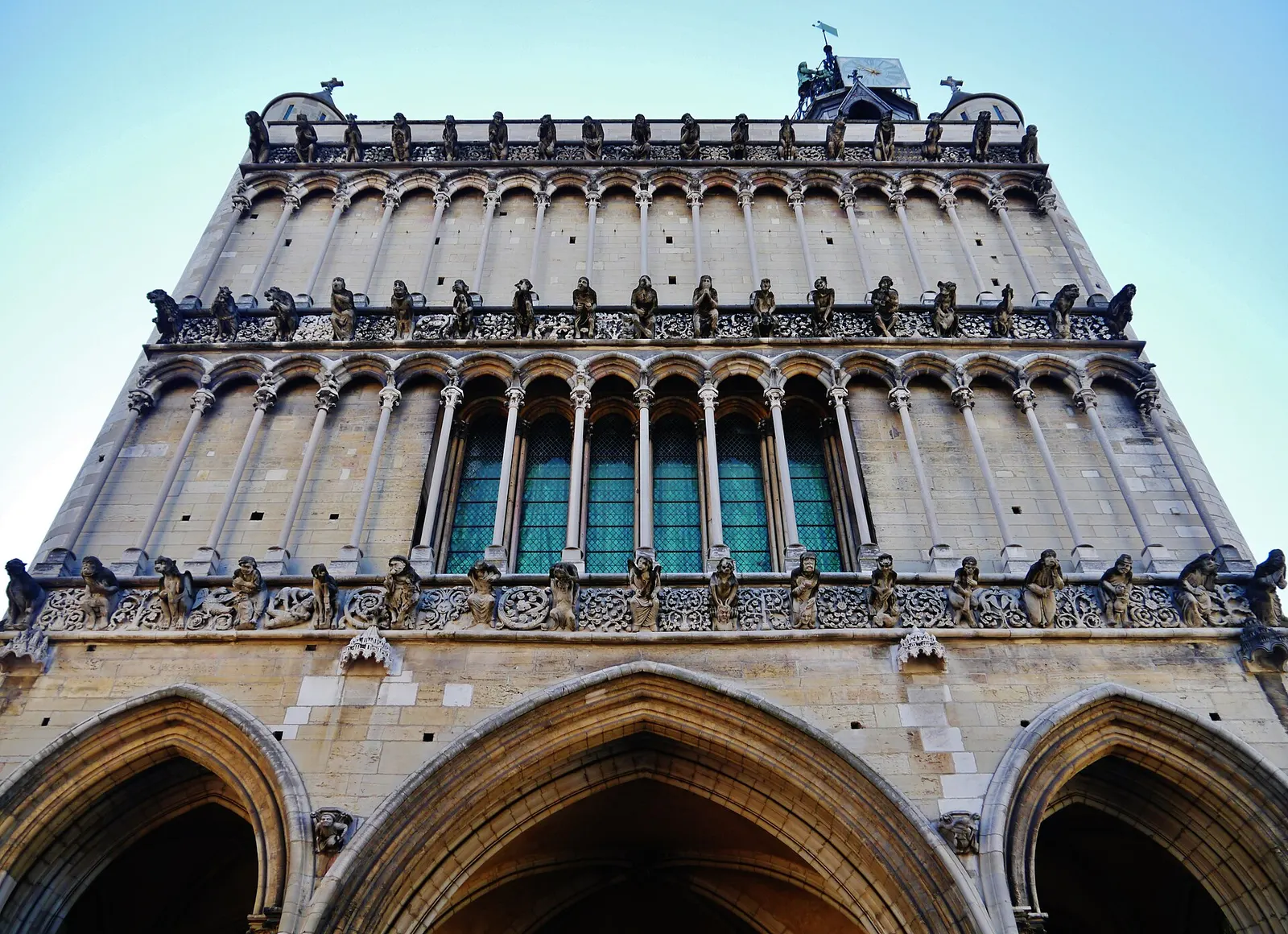
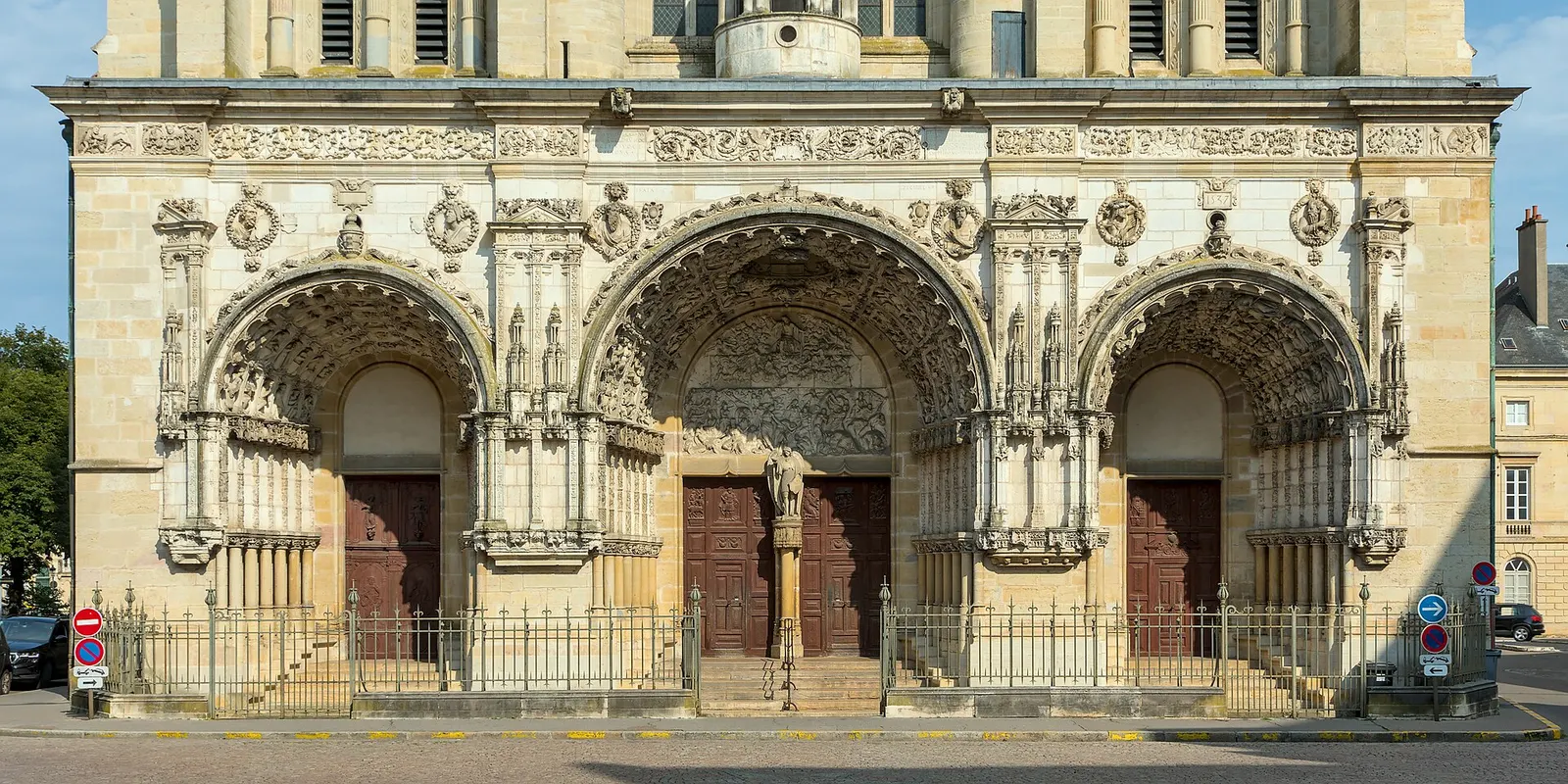
A small owl is carved on a buttress of Notre-Dame church. Stroke it with your left hand, the side of the heart, for luck. Bronze owl arrows mark a 22-step walking trail.
Les Halles
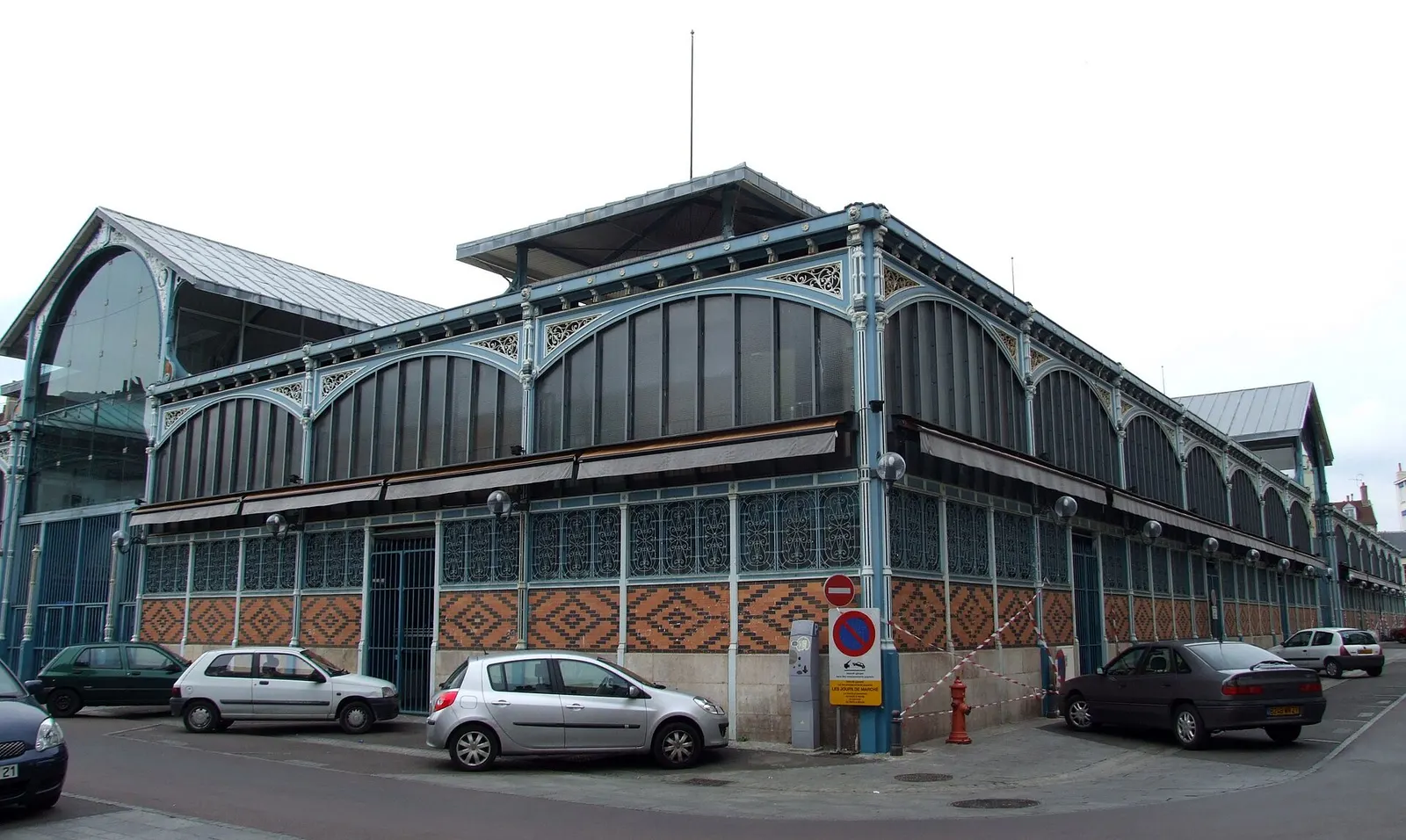
Dijon's iron-framed covered market was built between 1873 and 1875. It opens on Tuesday, Thursday, Friday and Saturday mornings, when stalls fill with meat, fish, cheese and seasonal produce.
Cité internationale de la gastronomie et du vin
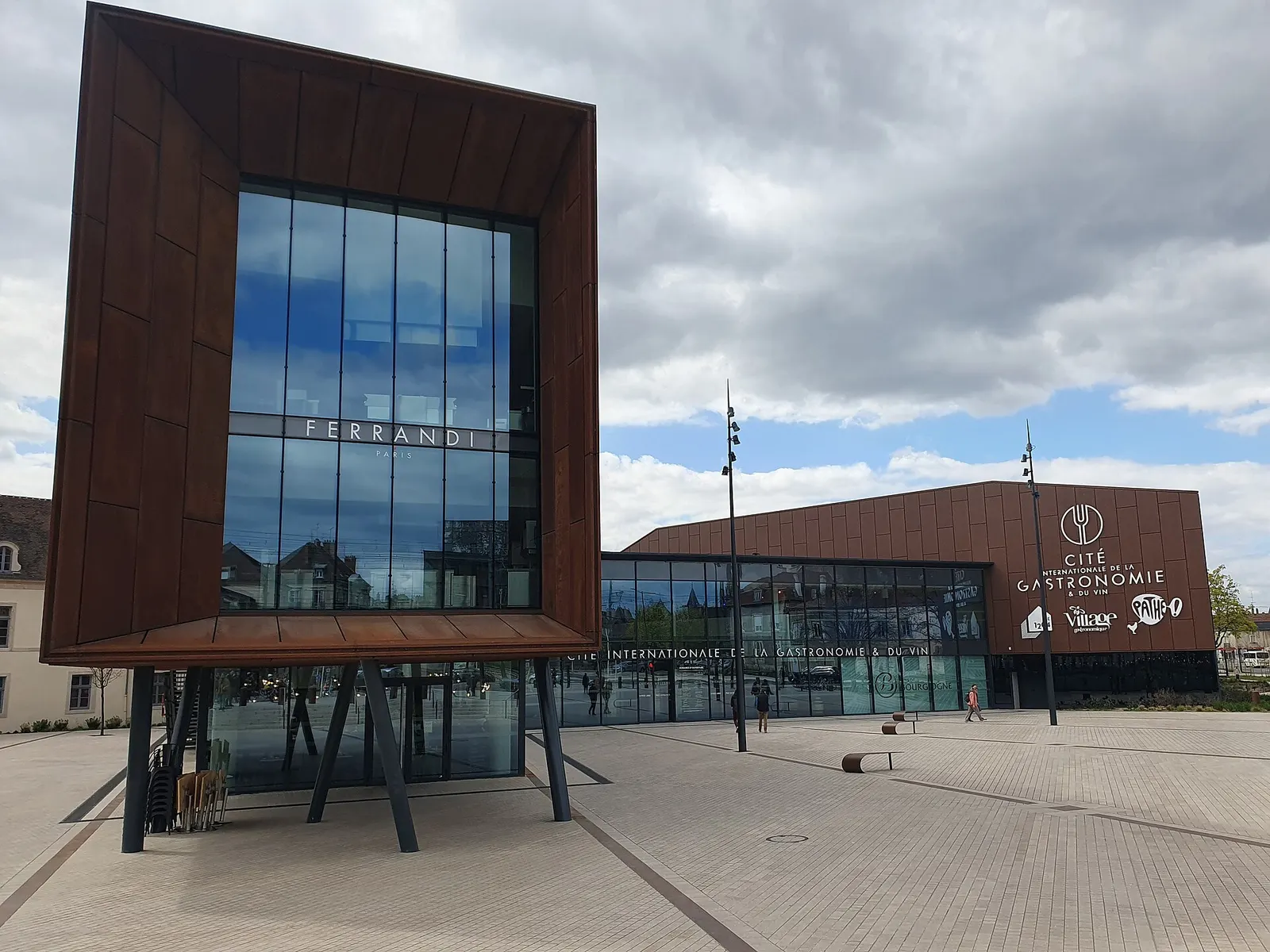
Opened in May 2022 in the former general hospital, founded in 1204, the Cité combines exhibitions, a food court, shops, cooking workshops and the École des Vins de Bourgogne for tastings and courses.
Tips for your visit
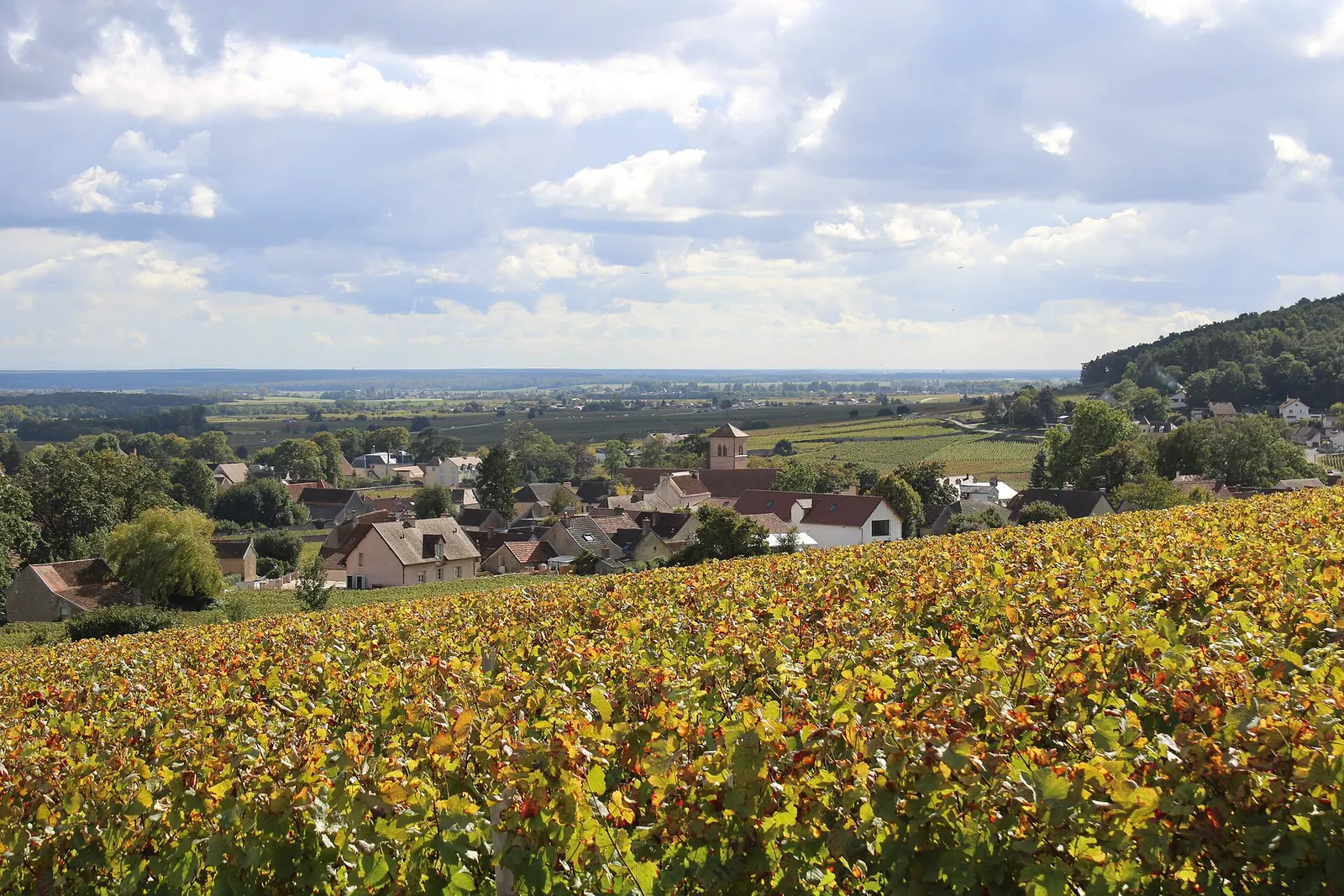
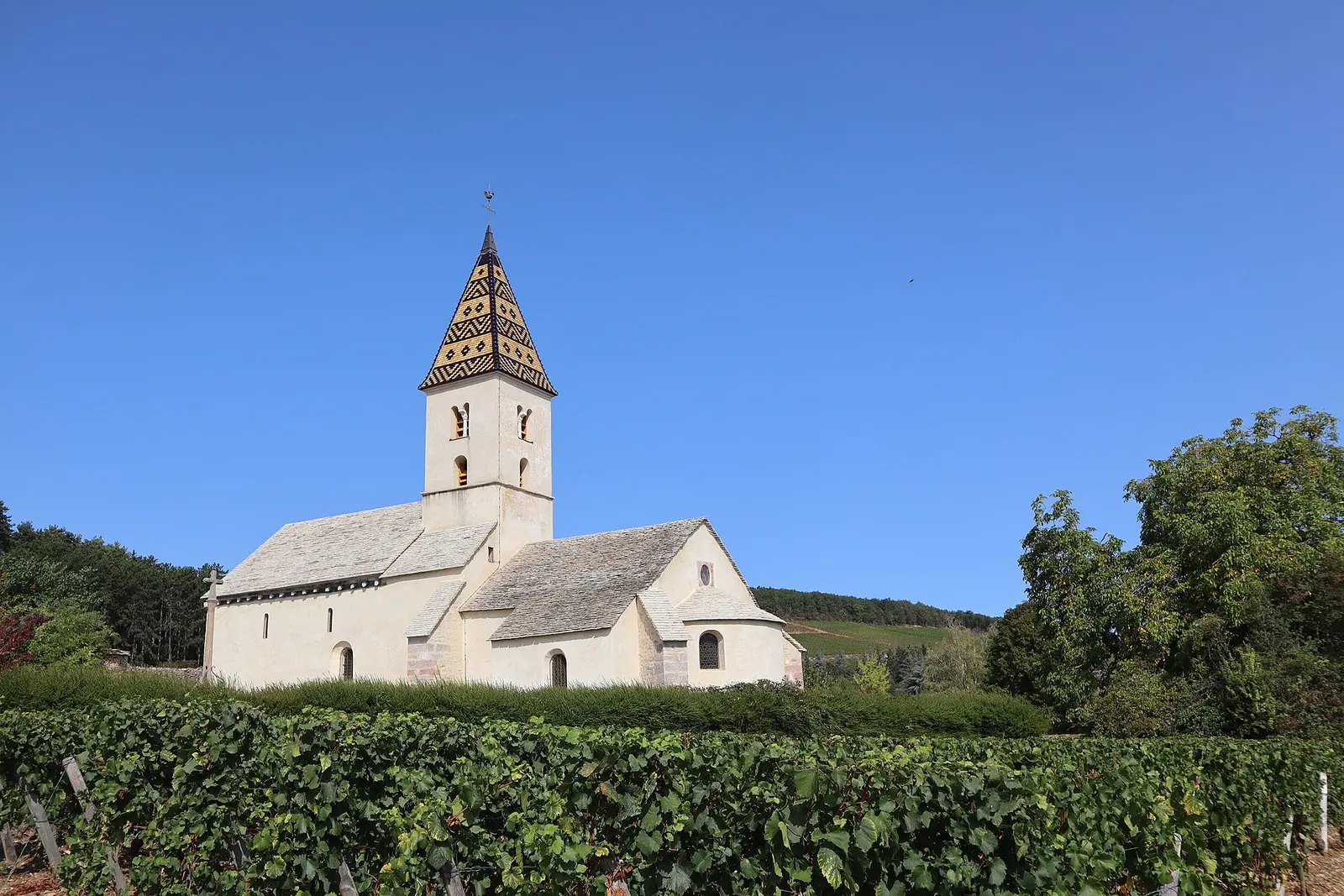
Allow half a day. Walk the Owl Trail in about an hour, then have lunch near Les Halles on a market morning. On the way back to Beaune, add Marsannay and Fixin, the first wine villages south of the city.
Around here
What to combine with Dijon on the same day, nearest first.
Marsannay-la-Côte
7 km awayFixin
10 km awayGevrey-Chambertin
12 km away
- Heritage site
Palace of the Dukes and Estates of Burgundy Palais des Ducs et des États de Bourgogne
1 km away - Heritage site
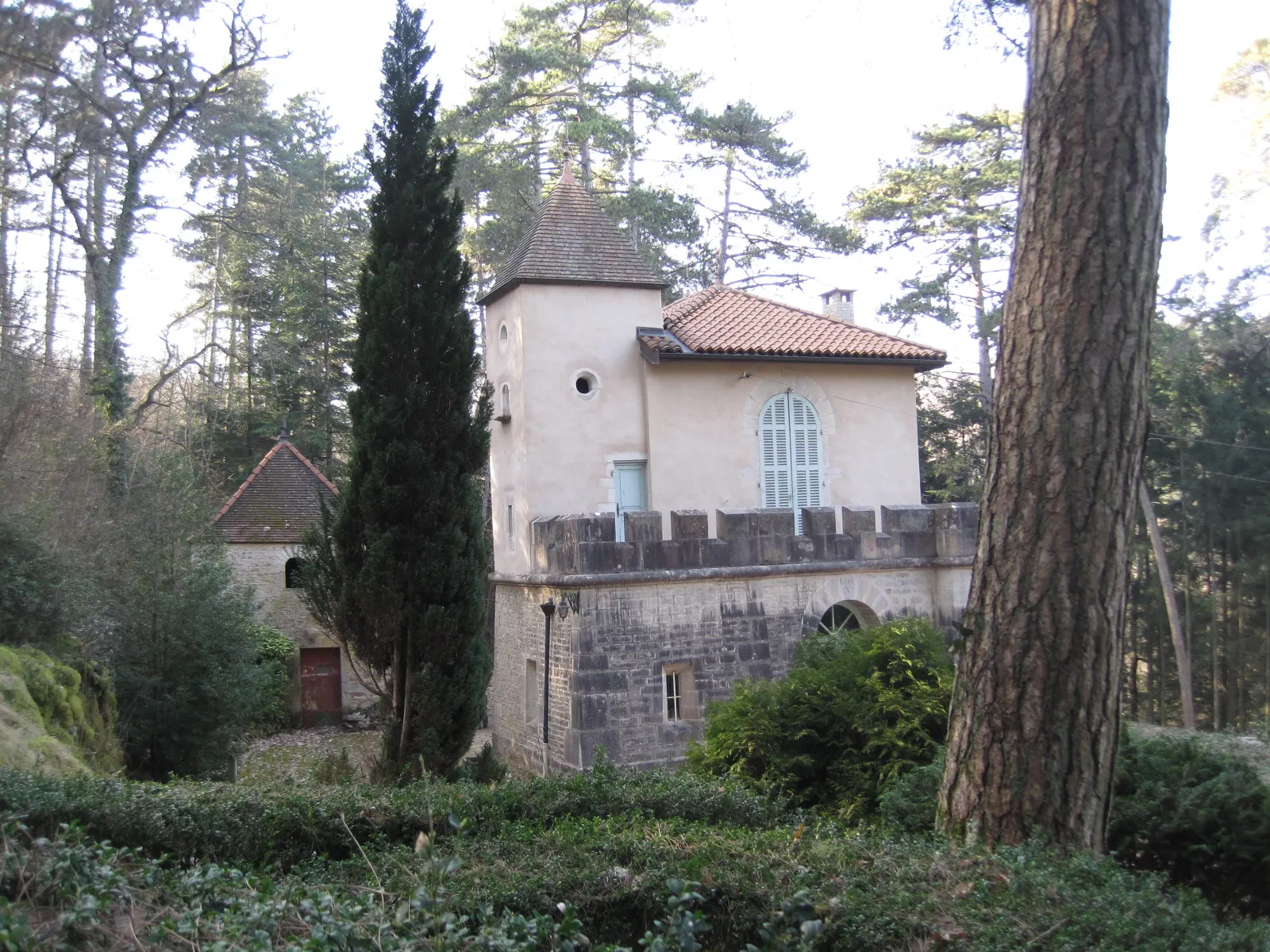
Champmol Charterhouse and the Well of Moses Chartreuse de Champmol et Puits de Moïse
2 km away
- Christmas
Les Fééries de Noël de Dijon
Usually from the last Saturday of November to the first Sunday of JanuaryDijon - Tradition
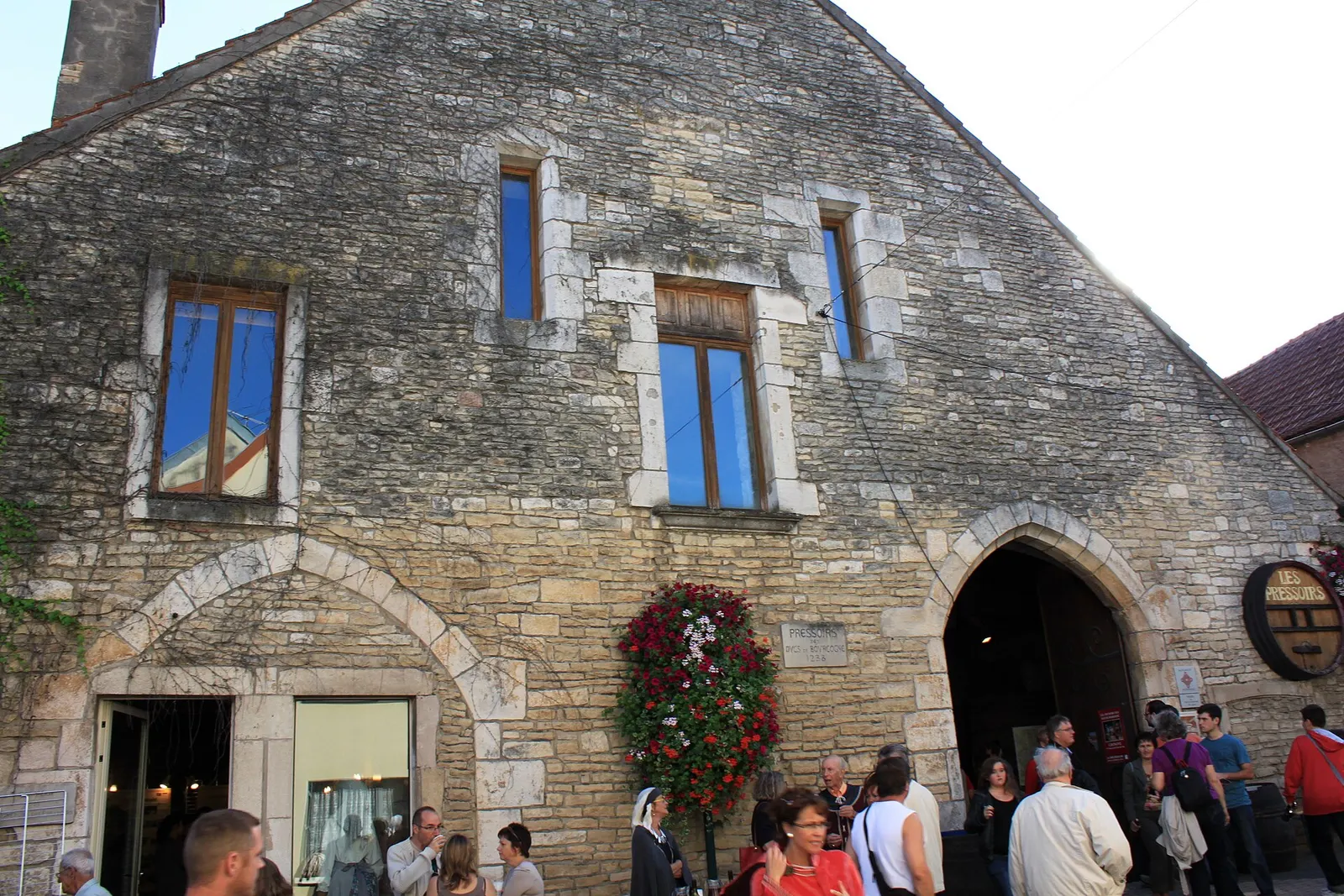
Fête de la Pressée
Usually the third weekend of September, during the European Heritage DaysChenôve
Questions
Dijon is about 40 min from Beaune by road (47 km). With a private driver, the trip from Beaune starts at €120 for the whole car, up to 4 guests.
Did you know? The kir, white Bourgogne Aligoté with crème de cassis, was once called blanc-cassis. It now carries the name of Canon Félix Kir, mayor of Dijon until his death in 1968.
Sources
Dijon with a private driver
Full-day wine tour from Beaune: €560 for the car, up to 4 guests