History
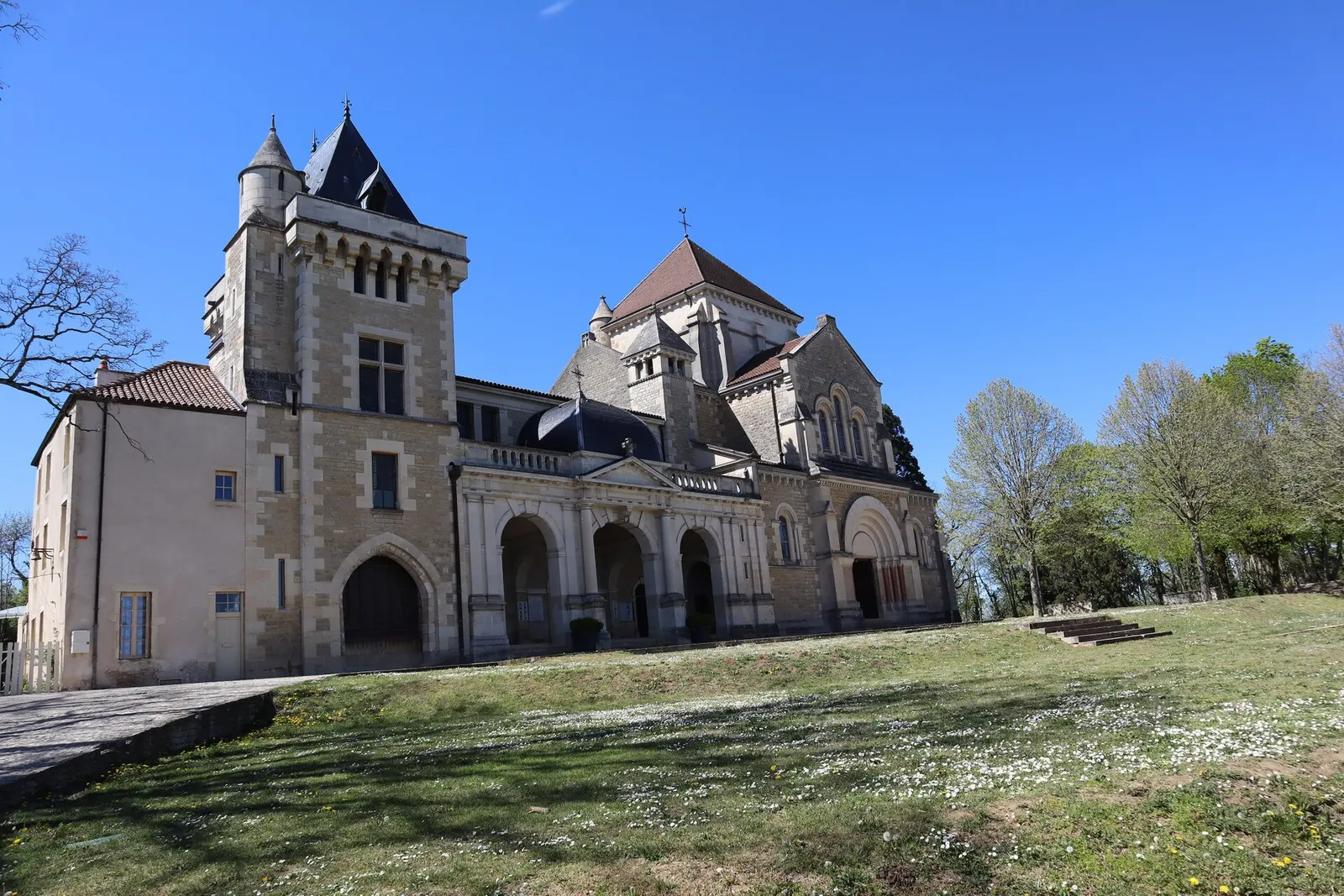
In the 11th century a castle was built on the hill to watch the road from Dijon to Châtillon-sur-Seine. Its lord, the knight Tescelin le Roux, married Aleth de Montbard, and their son Bernard was born here in 1090. He later became abbot of Clairvaux and the leading voice of the Cistercian order. The castle stayed with Tescelin's descendants until the 14th century.
In 1613 the Feuillant monks bought the castle, and from 1618 it became a royal monastery under the protection of Louis XIII, a great admirer of Saint Bernard. Two chapels bearing the arms of Louis XIII and Anne of Austria were added. After the Revolution the buildings stood abandoned until 1821, and the monastery was then taken apart stone by stone by private contractors.
In 1840 a canon bought the ruins and returned them to worship, and they were restored at the end of the century, taking on their present appearance. A basilica was built beside the castle in 1891 for the 800th anniversary of Bernard's birth. In 2024 the diocese of Dijon became owner of the whole site, and a restoration project with the Fondation du Patrimoine is due to start in October 2026 for about two years.
Architecture
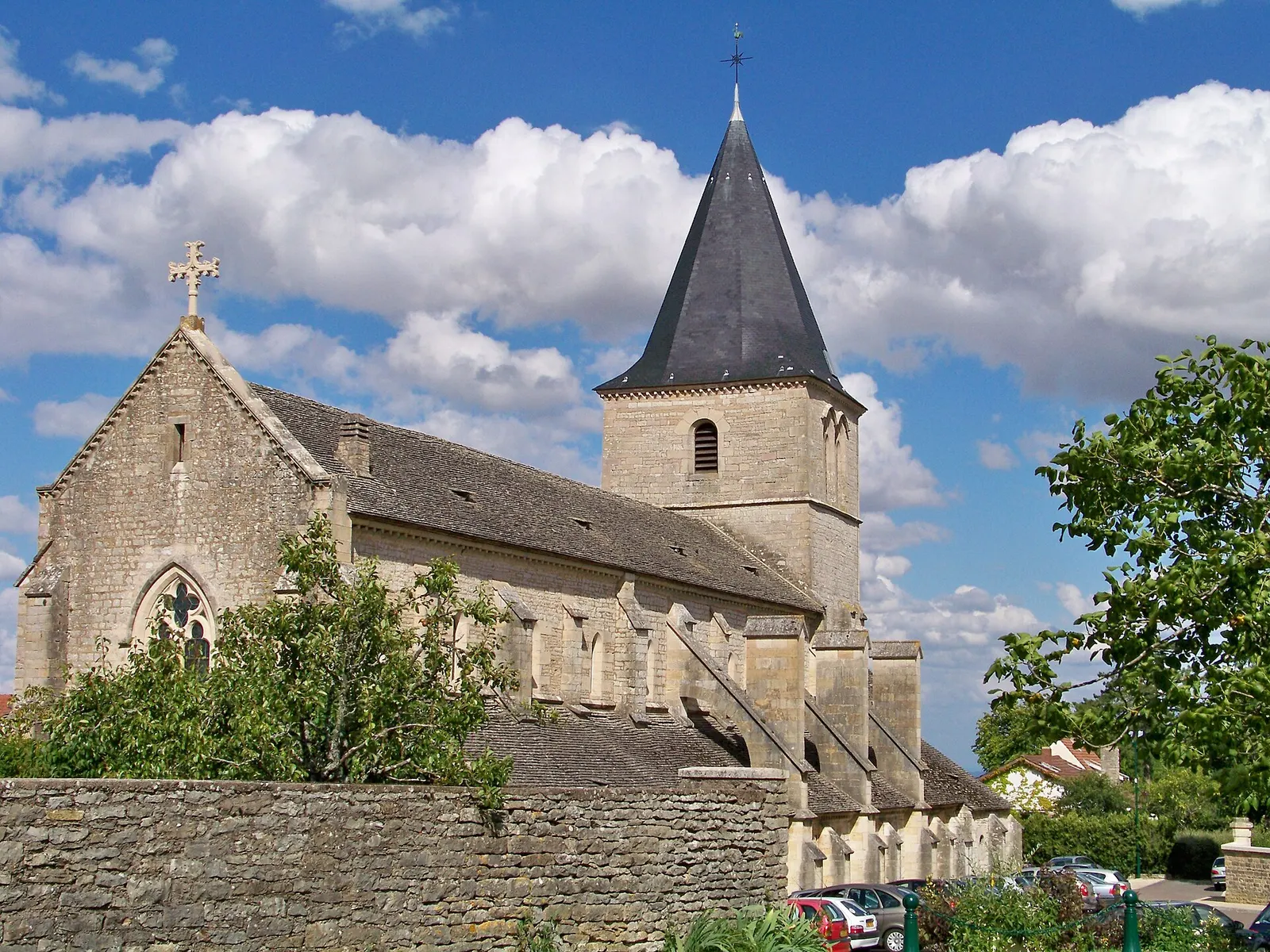
The listed parts include the old entrance tower of the castle, the basilica of Saint-Bernard and the building that links them, with its two 17th-century chapels and a 19th-century gallery. A 17th-century door from the Feuillant convent stands in the park. Together, the castle, the basilica and the village church of Saint-Bernard frame the Place des Feuillants at the top of the hill.