Dijon Archaeological Museum (Musée archéologique de Dijon)
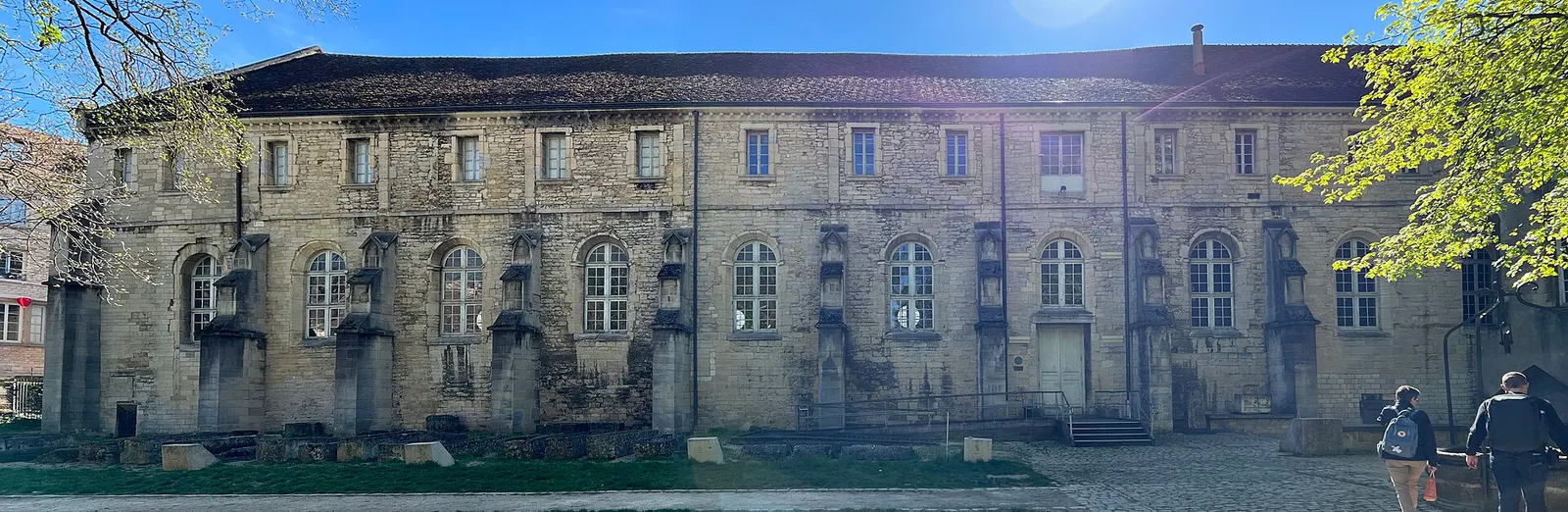
Offerings from the healing spring of the Seine and the bronze goddess Sequana, in an 11th-century abbey building.
- Museum
- 40 min from Beaune
- Allow 1 to 2 hours
- UNESCO World Heritage
At a glance
- Where
- Dijon · Côte-d'Or
- Official website
- musees.dijon.fr
About the place
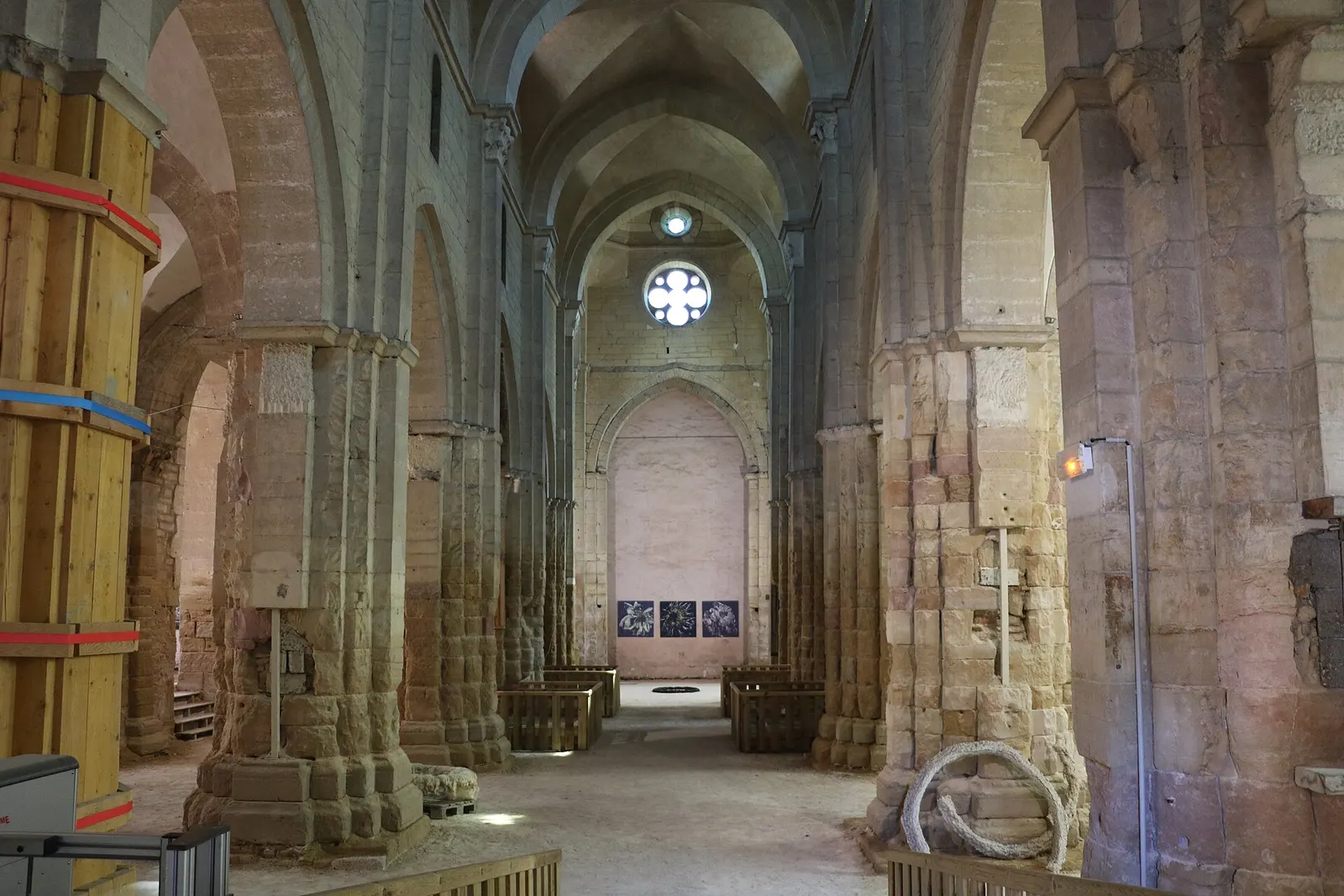
The Musée archéologique de Dijon puts you in the last monastic building of the abbey of Saint-Bénigne: you start at the top with prehistoric and Gallo-Roman Côte-d'Or, then go down to 11th-century vaulted rooms where wooden, stone and metal offerings from the healing sanctuary at the Sources of the Seine surround the little bronze goddess Sequana. One to two hours for history lovers, and a good rainy-day visit.
What you will see
The visit starts at the top, with the prehistory and Gallo-Roman history of Côte-d'Or. On the lowest floor, in the 11th-century rooms, are the wooden, metal and stone offerings left at the healing sanctuary of the Sources of the Seine and carved stelae such as the wine merchant. The Gothic dormitory, closed for works at the time of writing, displays medieval sculpture from Saint-Bénigne, Notre-Dame, the ducal Sainte-Chapelle and Champmol.
History
The building's oldest level dates from the 11th century, when it formed the east wing of the abbey cloister, with the chapter house and the monks' workroom. Above it, the monks' dormitory received Gothic rib vaults in the 13th century. In the 17th century the Maurist monks raised the cloister, added a floor of cells and built the broad staircase still in use today.
The museum presents collections first gathered by the Commission des Antiquités de la Côte-d'Or. It moved here in 1934, became a municipal museum in 1955 and gradually spread through the whole building. Its regional displays include the Bronze Age hoard of Blanot, finds from the Gallo-Roman sites of Mâlain and Selongey, and jewellery from Merovingian graves. Many of its medieval carvings were saved when religious buildings were dismantled during the Revolution.
Planning your visit
Tips for your visit
Entry is free. Pair it with the Cathédrale Saint-Bénigne next door and its round crypt of around the year 1000, then lunch at William Frachot across the street; Place Darcy and the Maille shop are a few minutes away. The Gothic dormitory with the medieval sculpture is closed for works. The building is not heated, so dress warmly in winter.
Getting there
From Beaune: 40 min by road (44 km), €120 one way for the car, up to 4 guests.
From Paris (Charles de Gaulle, Orly or your address): about 3 h 05 from central Paris, 3 h 35 from Charles de Gaulle; €750 for the car, and the same fare back for your flight.
From Lyon airport and the stations too: all fares Book this ride
Around here
What to combine with Dijon Archaeological Museum on the same day, nearest first.
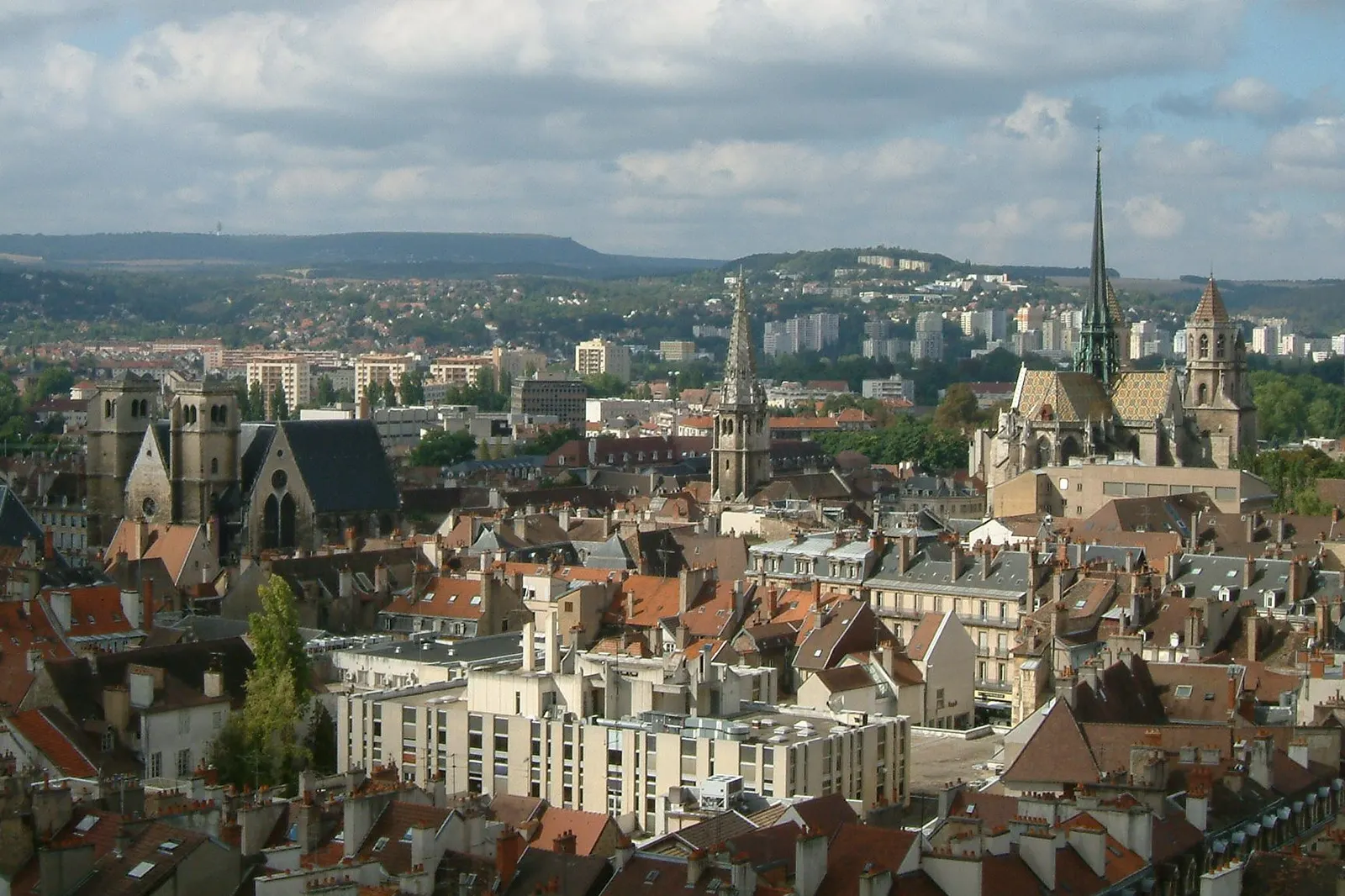
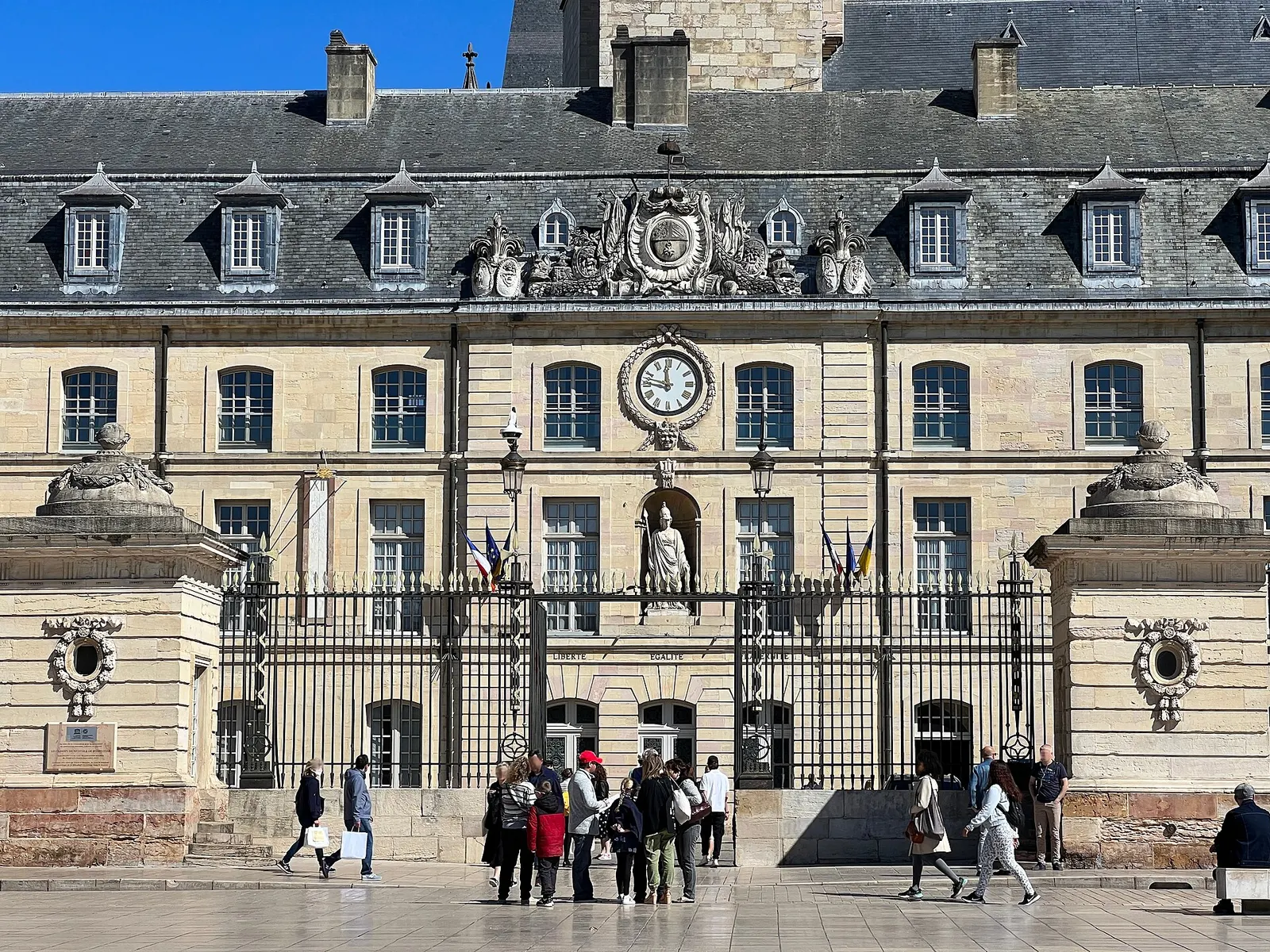
Dijon
The dukes' capital: the ducal palace, the Owl Trail, Les Halles, and the start of the Route des Grands Crus.
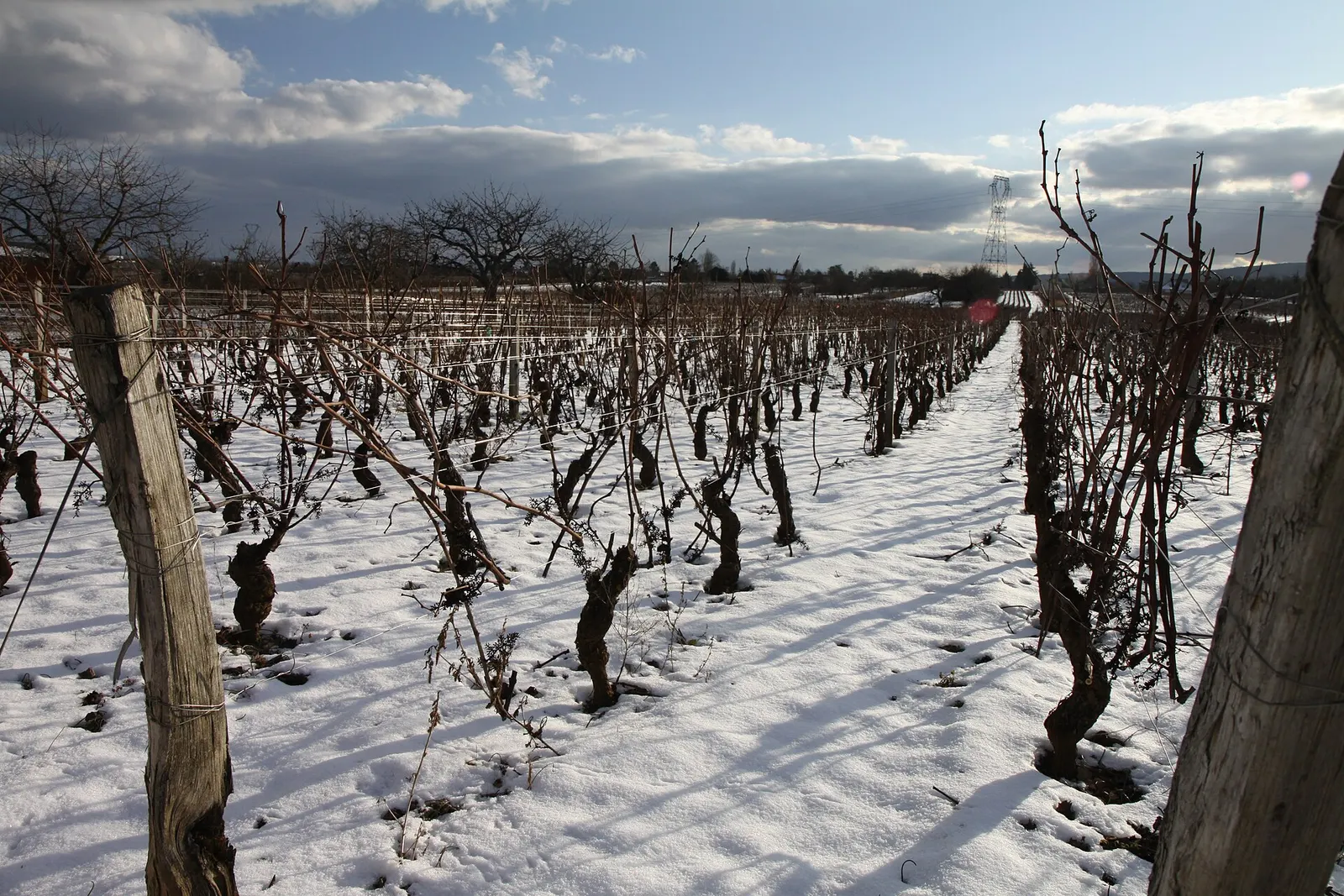
1 km awayMarsannay-la-Côte
Red, white and rosé under one village name, where the Côte de Nuits begins at the edge of Dijon.
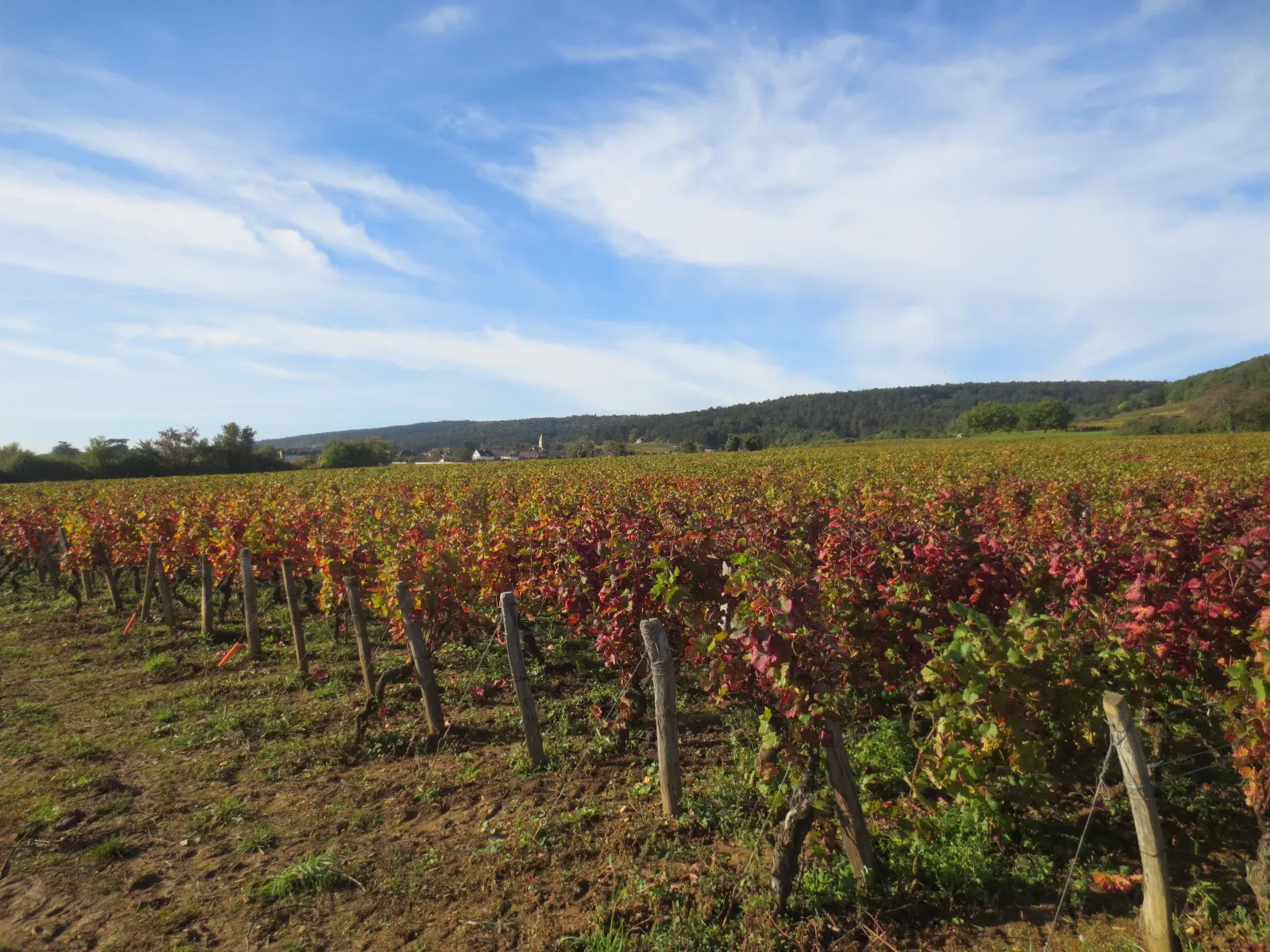
7 km awayFixin
Napoleon's bronze in a wooded park above the vines, a Romanesque church in Fixey and dark reds built to age.
10 km away
- Classical château
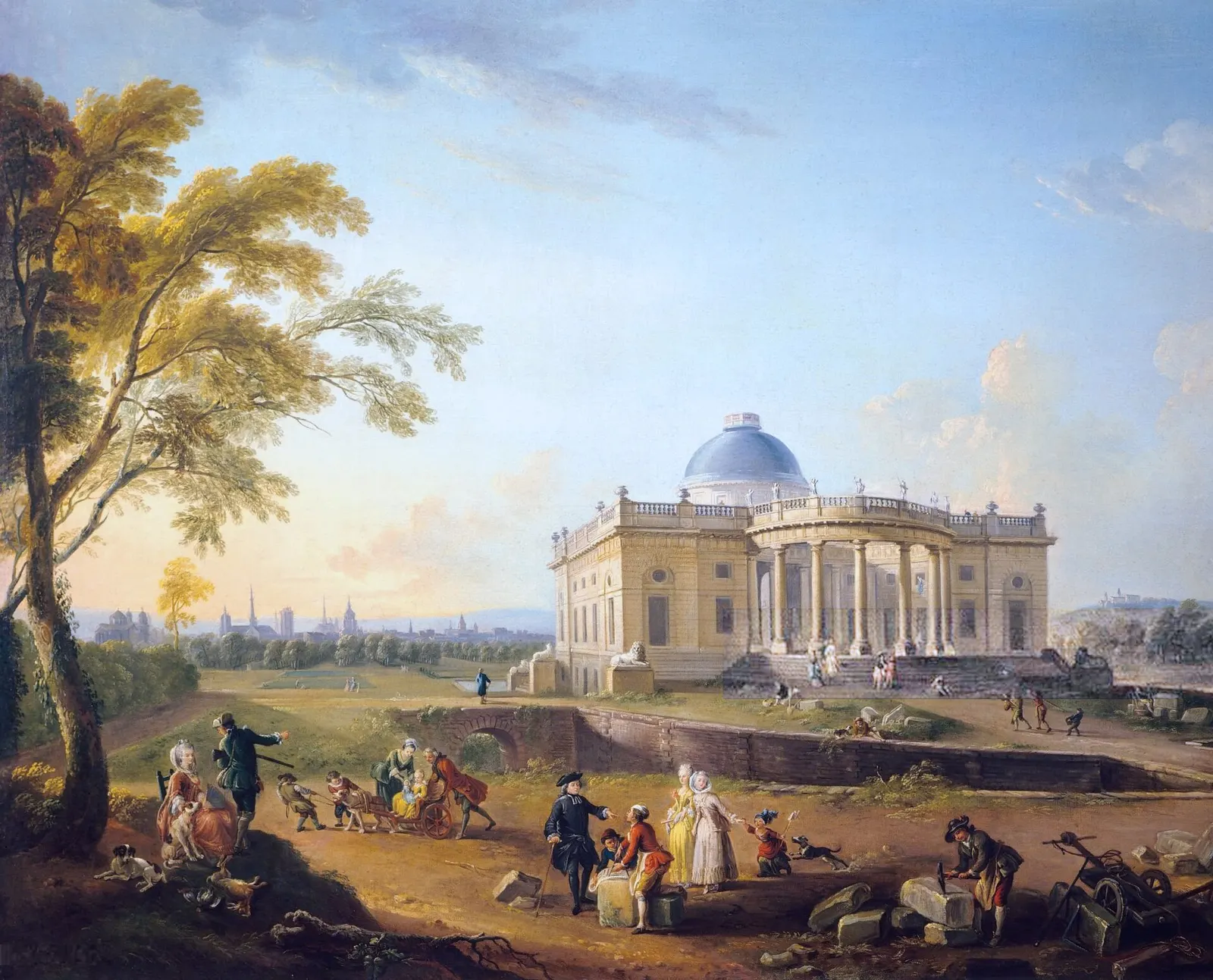
Château de Montmusard
The last wing of De Wailly's domed pleasure house, best seen through its painting in Dijon's fine-arts museum.
2 km away - Medieval fortress
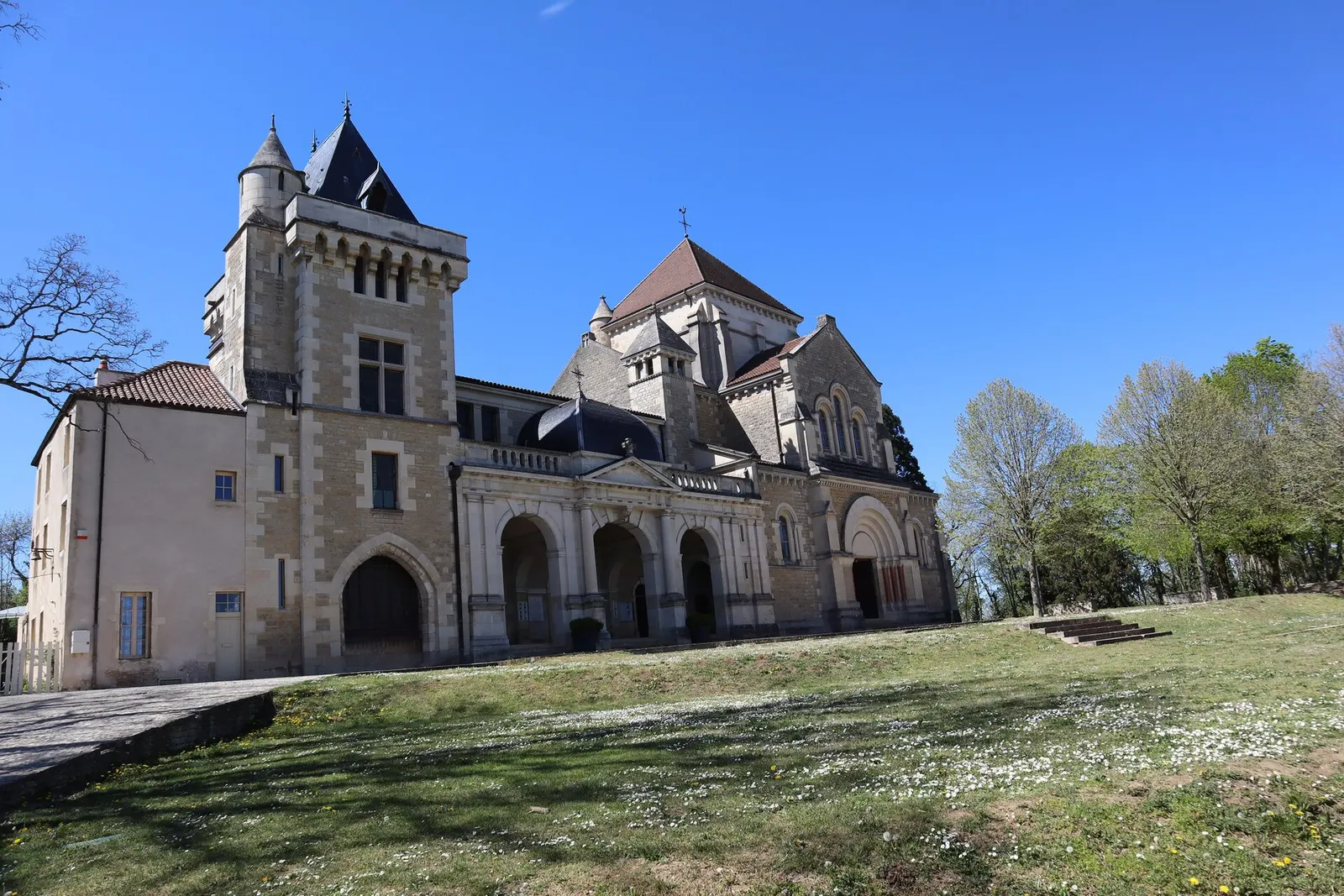
Château de Fontaine-lès-Dijon (Maison natale de saint Bernard)
Saint Bernard's birthplace on a hilltop above Dijon: royal chapels, a basilica and a view, under restoration.
3 km away - Wine château
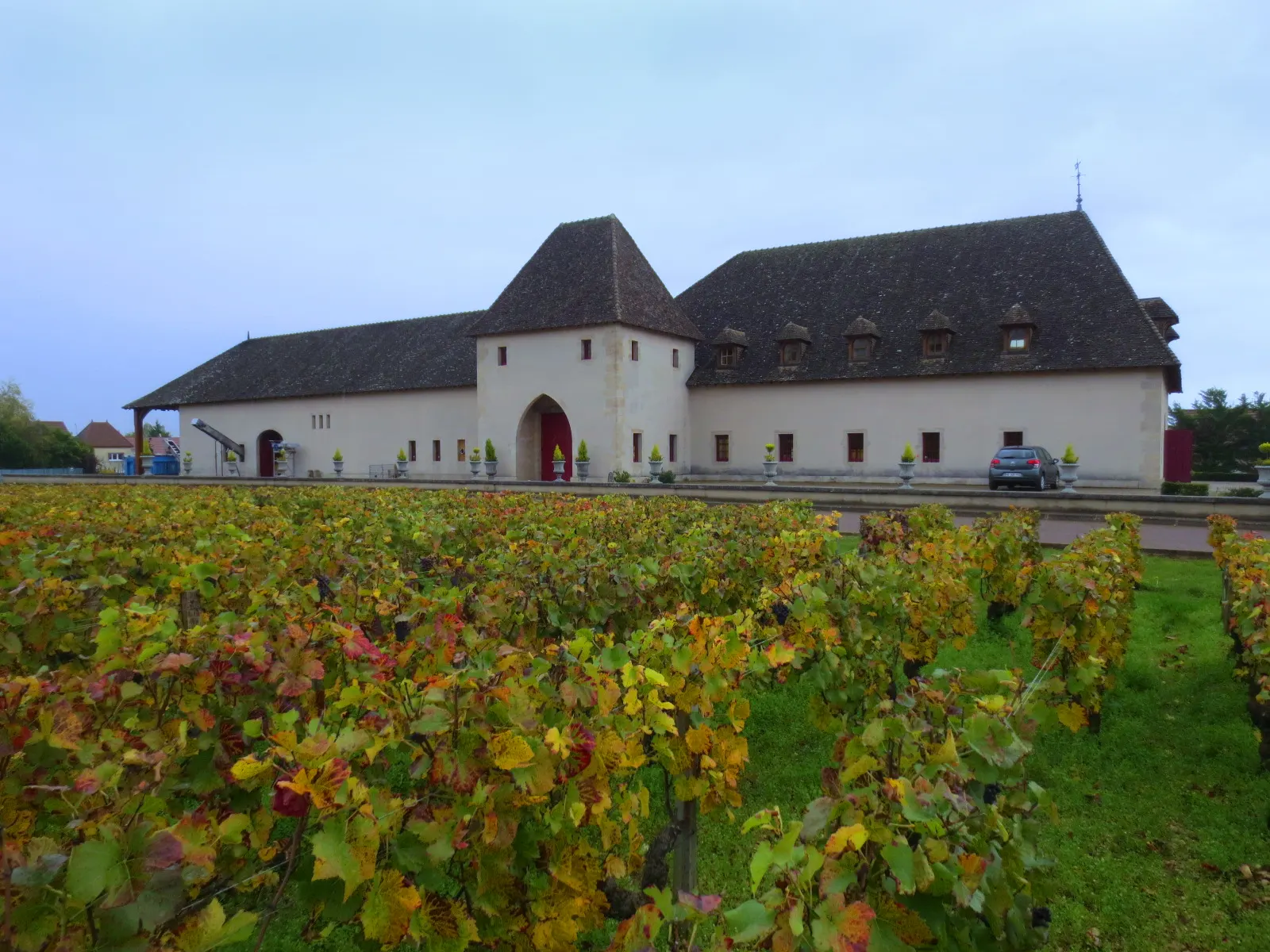
Château de Marsannay
A 1990 winery at the edge of Dijon: cellars of 500 barrels and plots from Chambertin to Échezeaux.
7 km away
- Abbey or church
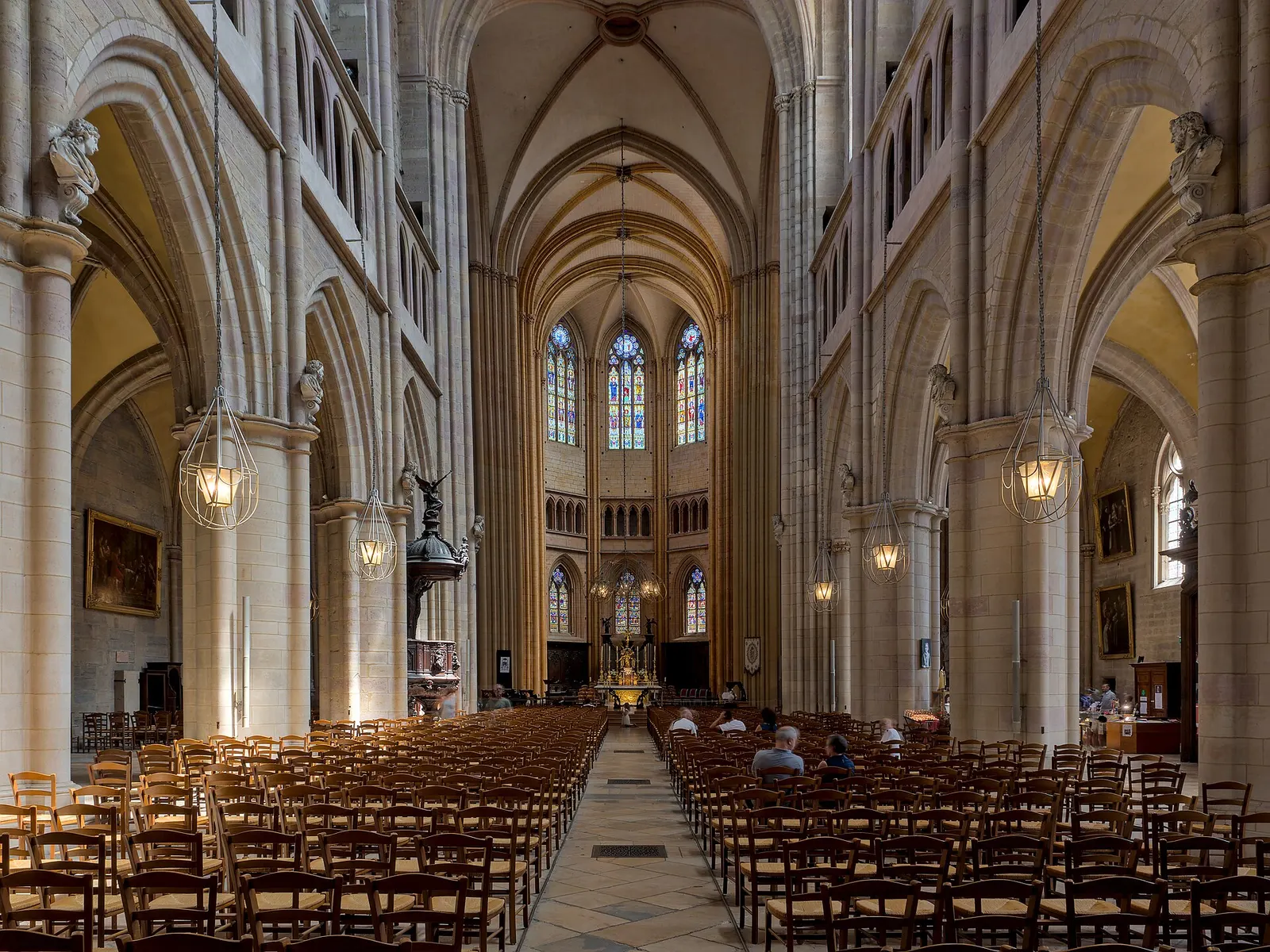
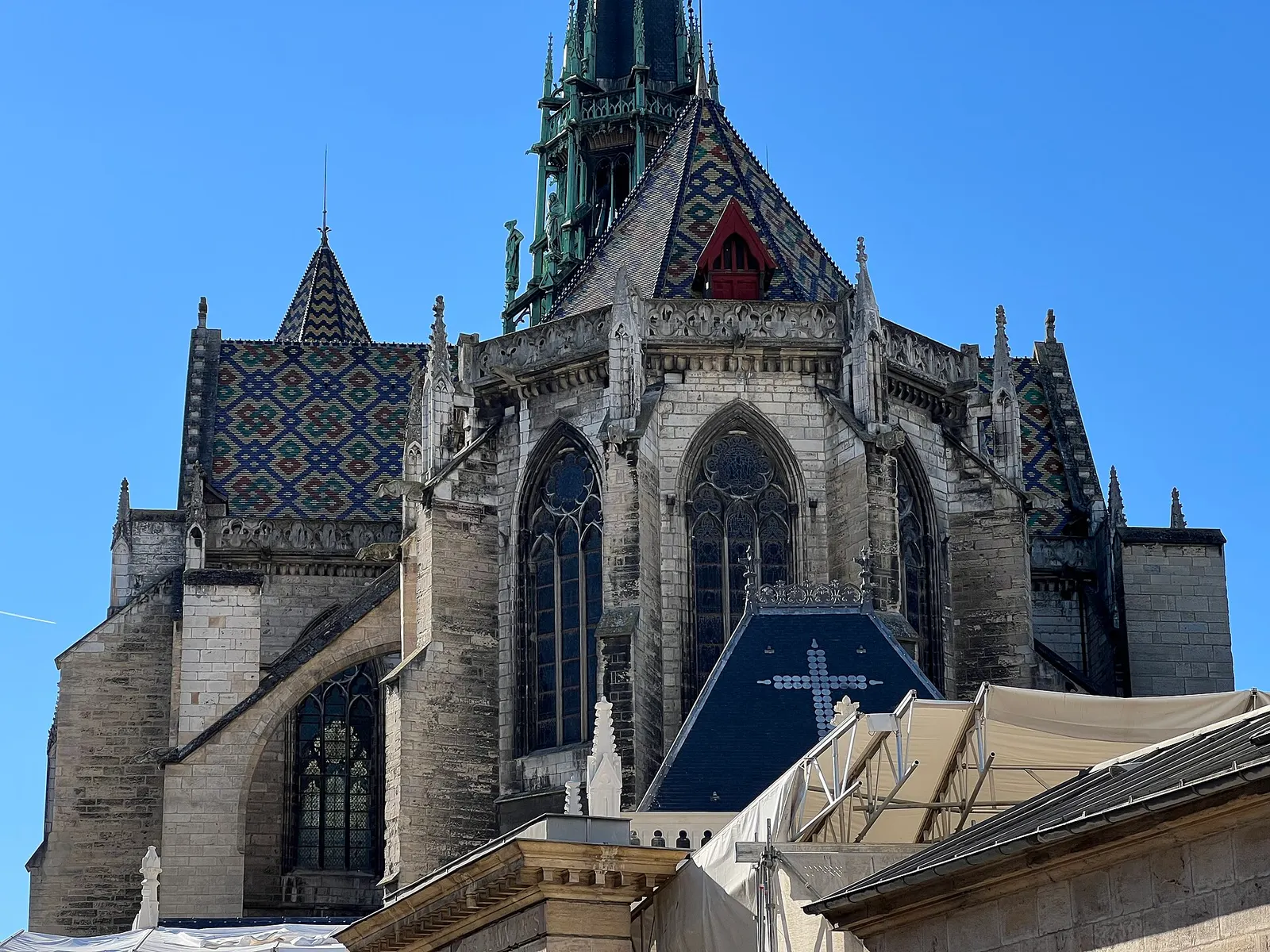
Saint-Bénigne Cathedral, Dijon Cathédrale Saint-Bénigne de Dijon
A Gothic abbey church turned cathedral, above a round crypt from around the year 1000.
1 km away - Heritage site
Saint-Philibert Church, Dijon Église Saint-Philibert
Dijon's only Romanesque church, once the winegrowers' parish, closed for restoration until around 2029.
1 km away - Food maker
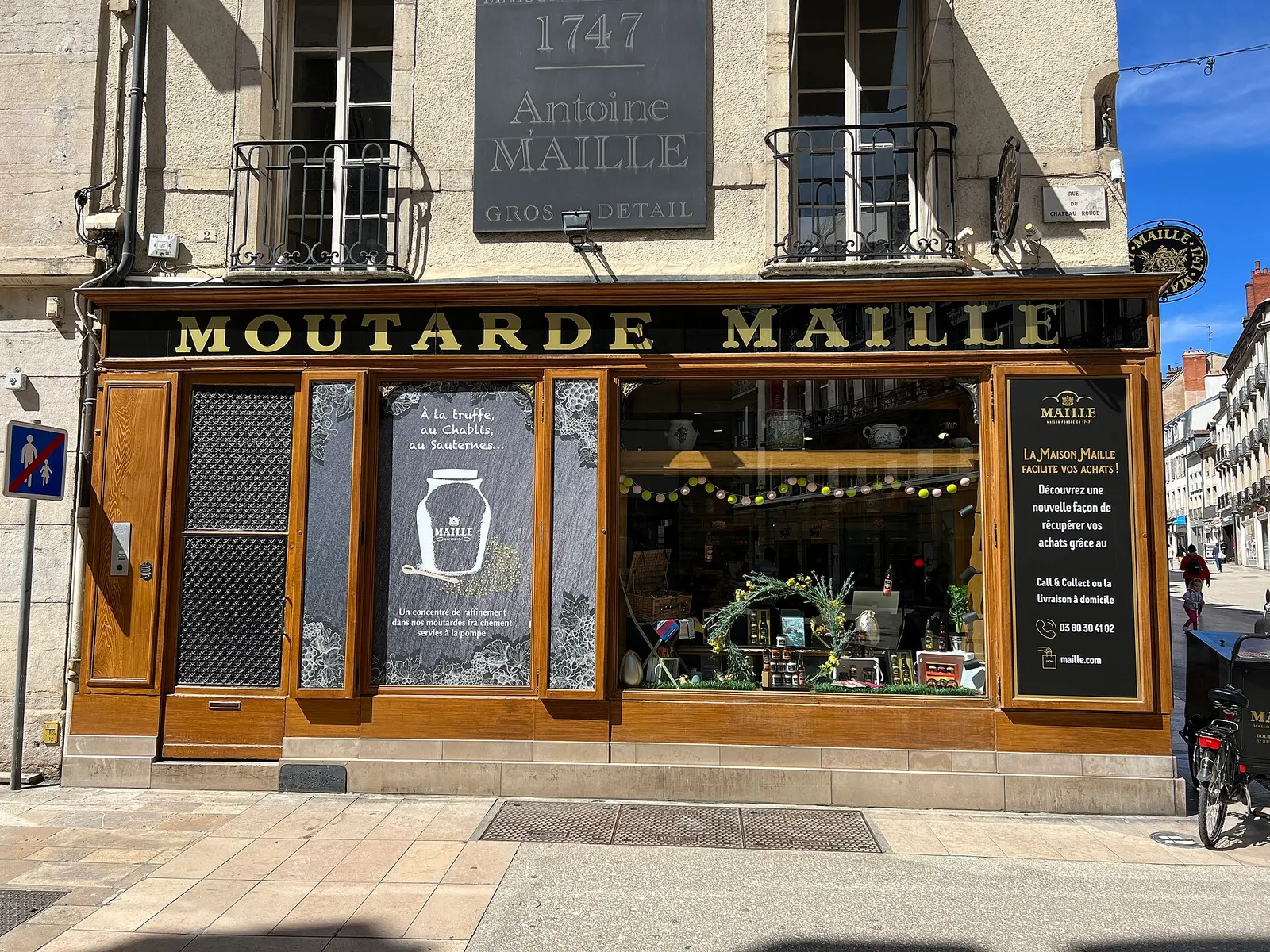
Boutique Maille
Fresh mustard pumped at the counter into a stoneware jar, in Maille's Dijon shop on rue de la Liberté.
1 km away
- Dijon
William Frachot
Dijon's two-star occasion: Burgundy's classic dishes taken apart and rebuilt, in a coaching inn of 1863
1 km away - Dijon
Loiseau des Ducs
Bernard Loiseau's sauces and fine Burgundy by the glass, under the vaults of a 16th-century mansion
1 km away - Dijon
La Maison des Cariatides
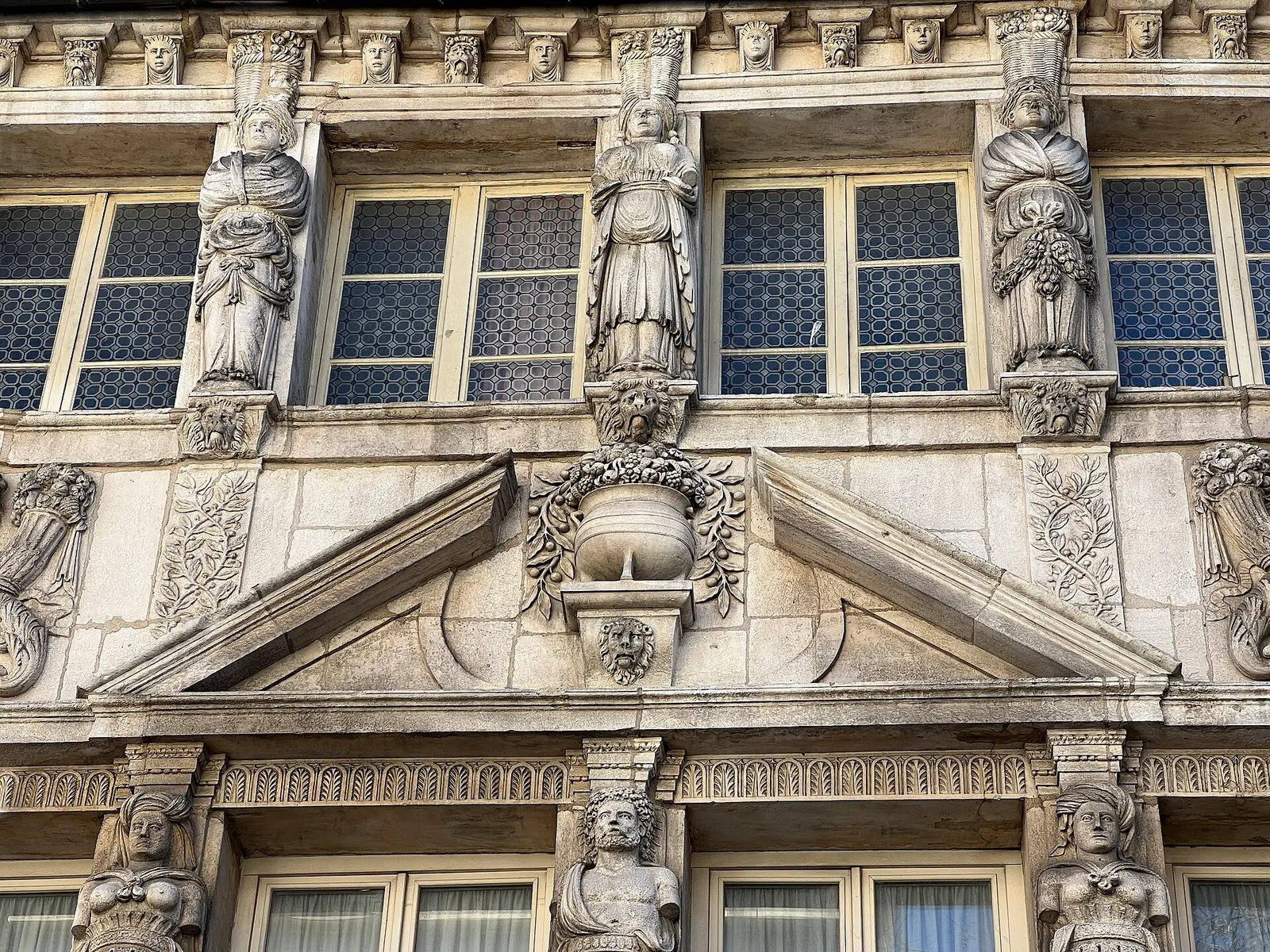
Carved caryatids on the façade, a Le Bristol chef couple inside: Burgundy with a Mediterranean accent
1 km away
- Christmas
Dijon Christmas market Les Fééries de Noël de Dijon
Usually from the last Saturday of November to the first Sunday of JanuaryDijon - Tradition
Fête de la Pressée
Usually the third weekend of September, during the European Heritage DaysChenôve - Wine festival
Salon des Vignerons Indépendants de Bourgogne et du Jura
Usually a weekend in OctoberDijon - Food & markets
Foire internationale et gastronomique de Dijon
Usually twelve days spanning late October and early November, around the 11 November holidayDijon
Questions
Dijon Archaeological Museum is about 40 min from Beaune by road (44 km). The fares for the car are under “Getting there”, above.
Did you know? This is the only known bronze statuette of Sequana, goddess of the Seine. She stands in a boat whose prow is a duck's head, and was found in 1933 at the river's source.
Sources
Dijon Archaeological Museum with a private driver
A fixed fare for the car · 1–4 guests · tolls and parking included