What you will see
The route runs through time. Early rooms show finds from local digs, such as the Molle-Pierre cave and the Saint-Étienne necropolis, along with Egyptian objects. Then come Flemish and Dutch paintings of the 16th and 17th centuries and French art of the 18th century. A large section is devoted to Félix Ziem, known for his Orientalist scenes and views of Venice. Modern pieces include works by Le Corbusier and Paul Day.
History
The collections began in 1850, when the curator of the town library, Jules Pautet, started gathering works of art and archaeological finds. The museum opened to the public in 1853 in the former Ursuline convent, now the town hall, and moved in 1871 into the convent's old chapel. After the Second World War, the curator René André reorganised it into three sections: fine arts, archaeology and local history.
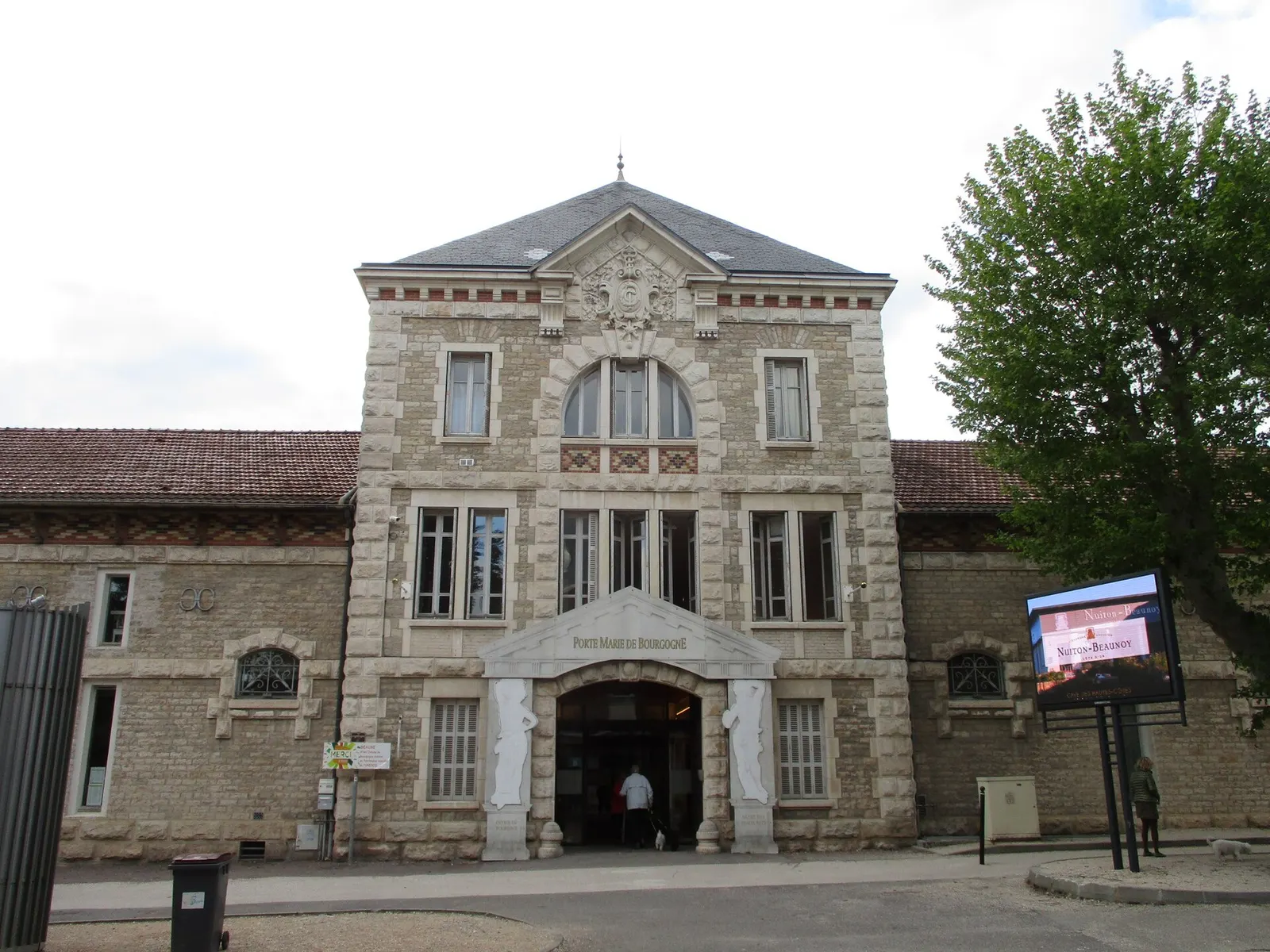
In 2002 the museum moved to the Porte Marie de Bourgogne, a former wine merchant's building bought by the town in 1996. A renovation in 2017 added exhibition and teaching space. The permanent collections returned to the spotlight in September 2026, with well-known works shown alongside pieces recently acquired, restored or rarely displayed. The collections also give a large place to local artists, such as the painters Hippolyte Michaud and Émile Goussery.