What you will see
Start in the Salle des Gardes, the dukes' banqueting hall with its monumental fireplace, where the two tombs stand. Walk slowly around them to study the mourners, each hooded figure different. Nearby are the gilded altarpieces carved by Jacques de Baerze and painted by Melchior Broederlam for Champmol. The route then runs from Italian and Flemish painting to a marble polar bear by François Pompon and modern works. The vaulted ducal kitchens of the 1430s are part of the visit.
History
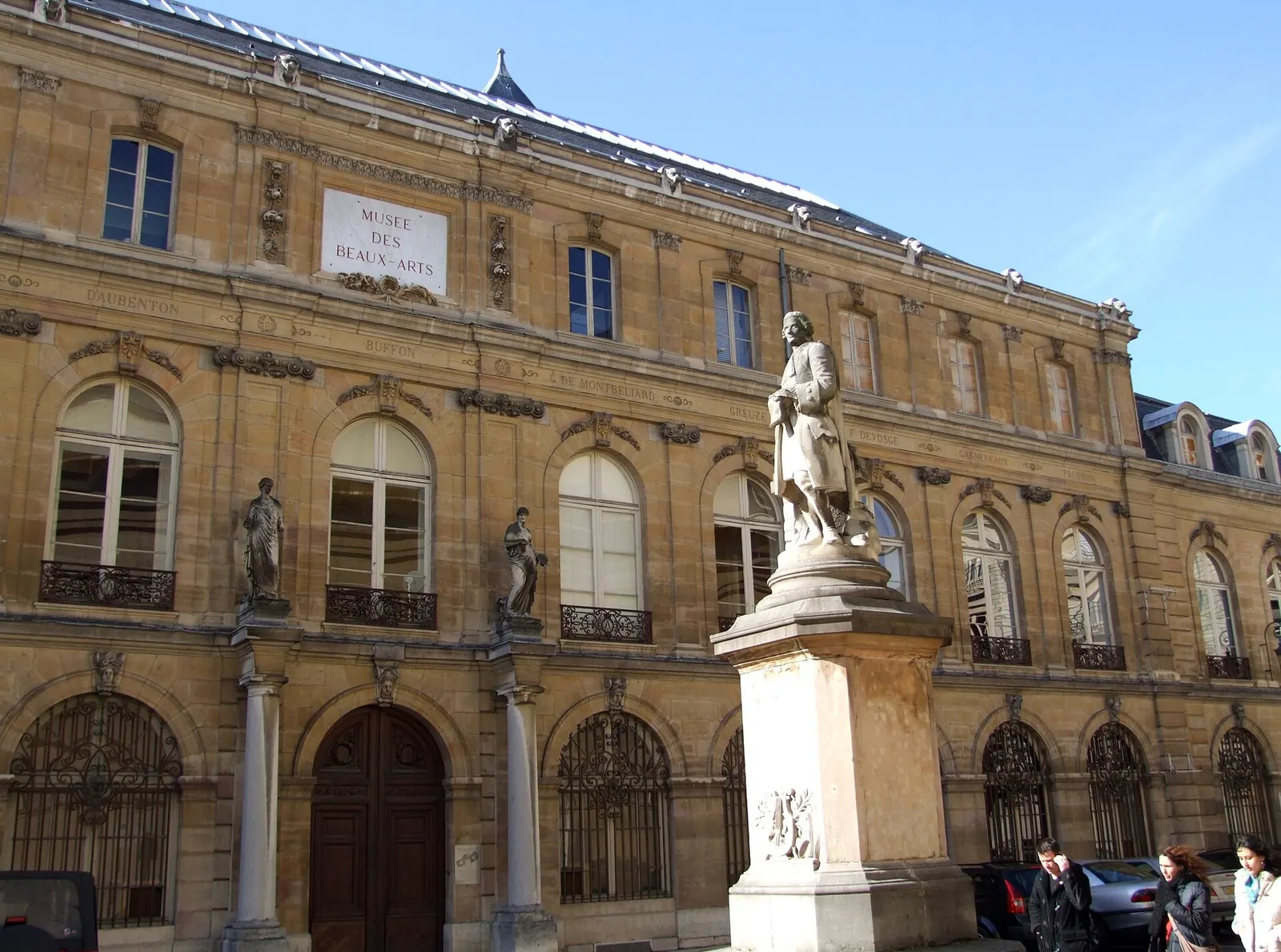
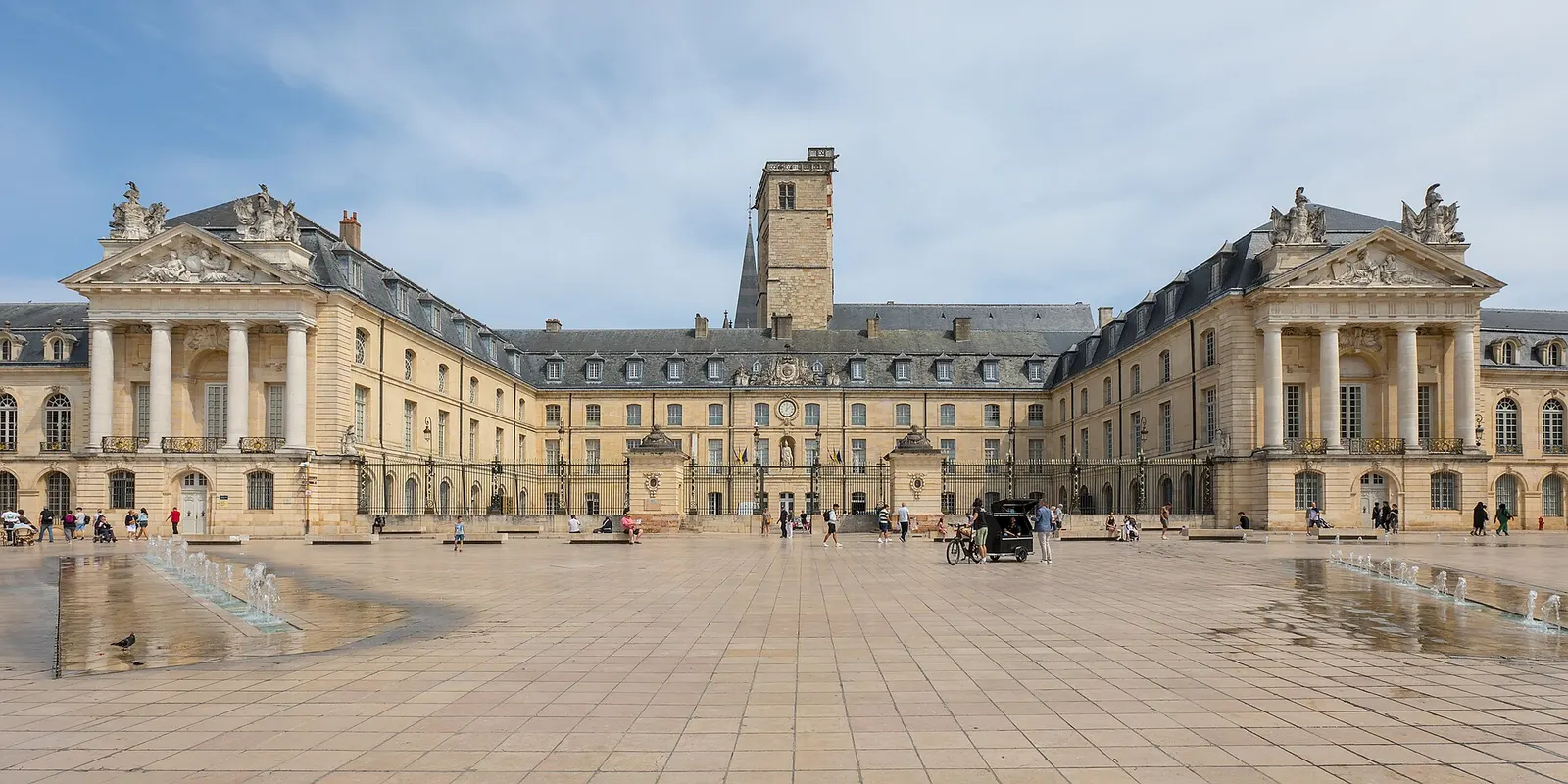
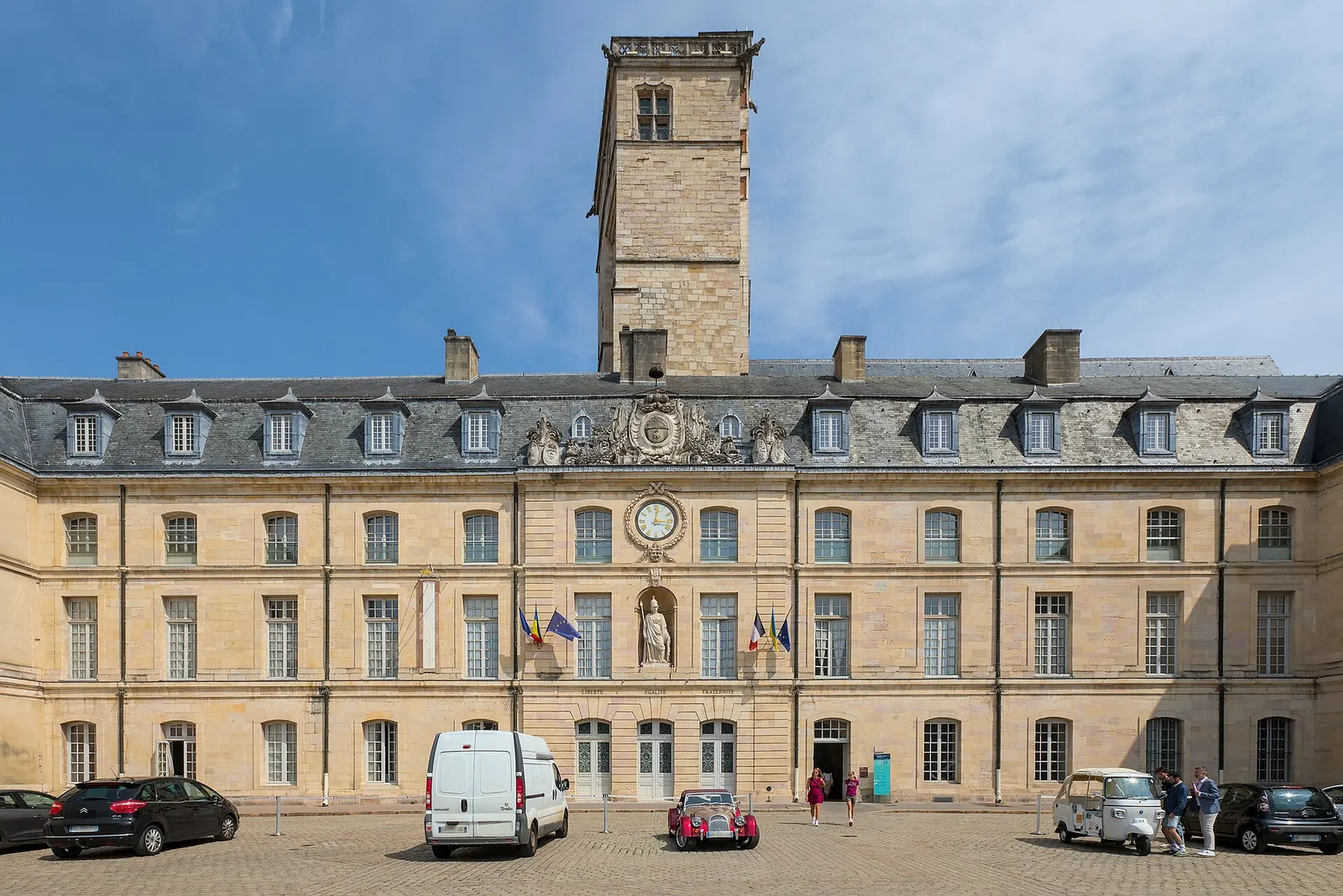
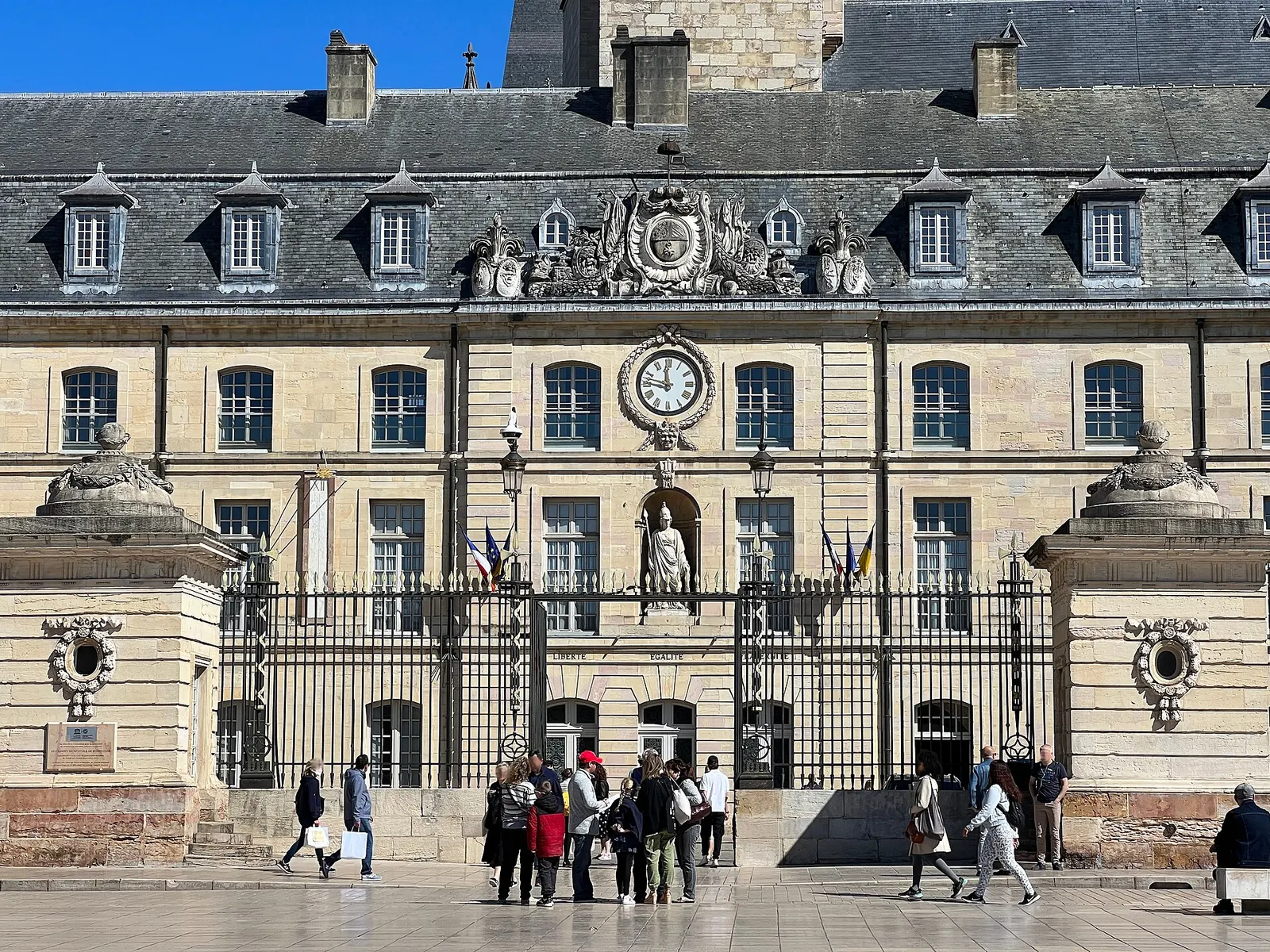
The museum grew out of a free drawing school founded in the 1760s at the suggestion of the sculptor François Devosge. The Estates of Burgundy built an east wing of the palace for the school and its models, and the collections opened to the public in 1799. Between 1804 and 1812 the state sent 72 paintings from the central museum of the arts in Paris, the future Louvre.
The ducal tombs came from the Chartreuse de Champmol, the monastery Philip the Bold founded outside Dijon as his family's burial place. Damaged during the Revolution, they were restored and installed in the palace's great hall in 1827. Philip the Bold's tomb was begun by Jean de Marville, taken up by Claus Sluter and finished by Claus de Werve around 1410. The tomb of John the Fearless and Margaret of Bavaria followed between 1443 and 1470.
A long renovation began in 2006. The Middle Ages and Renaissance galleries reopened in 2013, and the whole museum reopened in May 2019, with about 1,500 works shown in 50 rooms. The collections now number more than 140,000 works, from ancient Egypt to contemporary art, including the large Granville donation of modern paintings. Attendance soared after the reopening, reaching about 315,000 visitors in 2019.