Book

Hospices de Beaune (Hôtel-Dieu), Hôtel-Dieu des Hospices Civils de Beaune

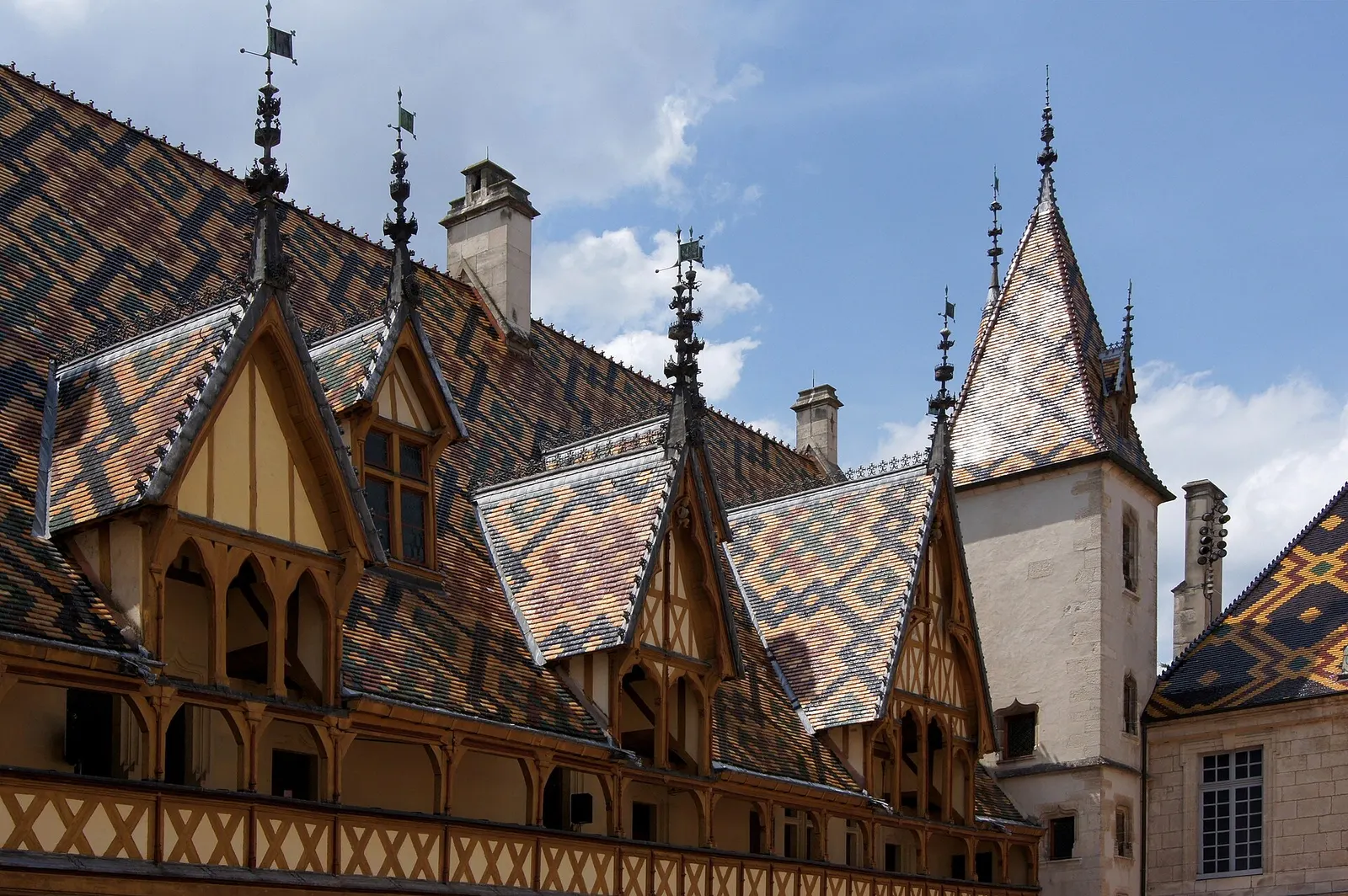
Beaune's 15th-century hospital for the poor, crowned by its famous roofs of glazed, patterned tiles.

  • Museum
  • In Beaune itself
  • Open all year
  • Allow 1.5 to 2 hours

€290for a half-day wine tour starting here, up to 4 guests

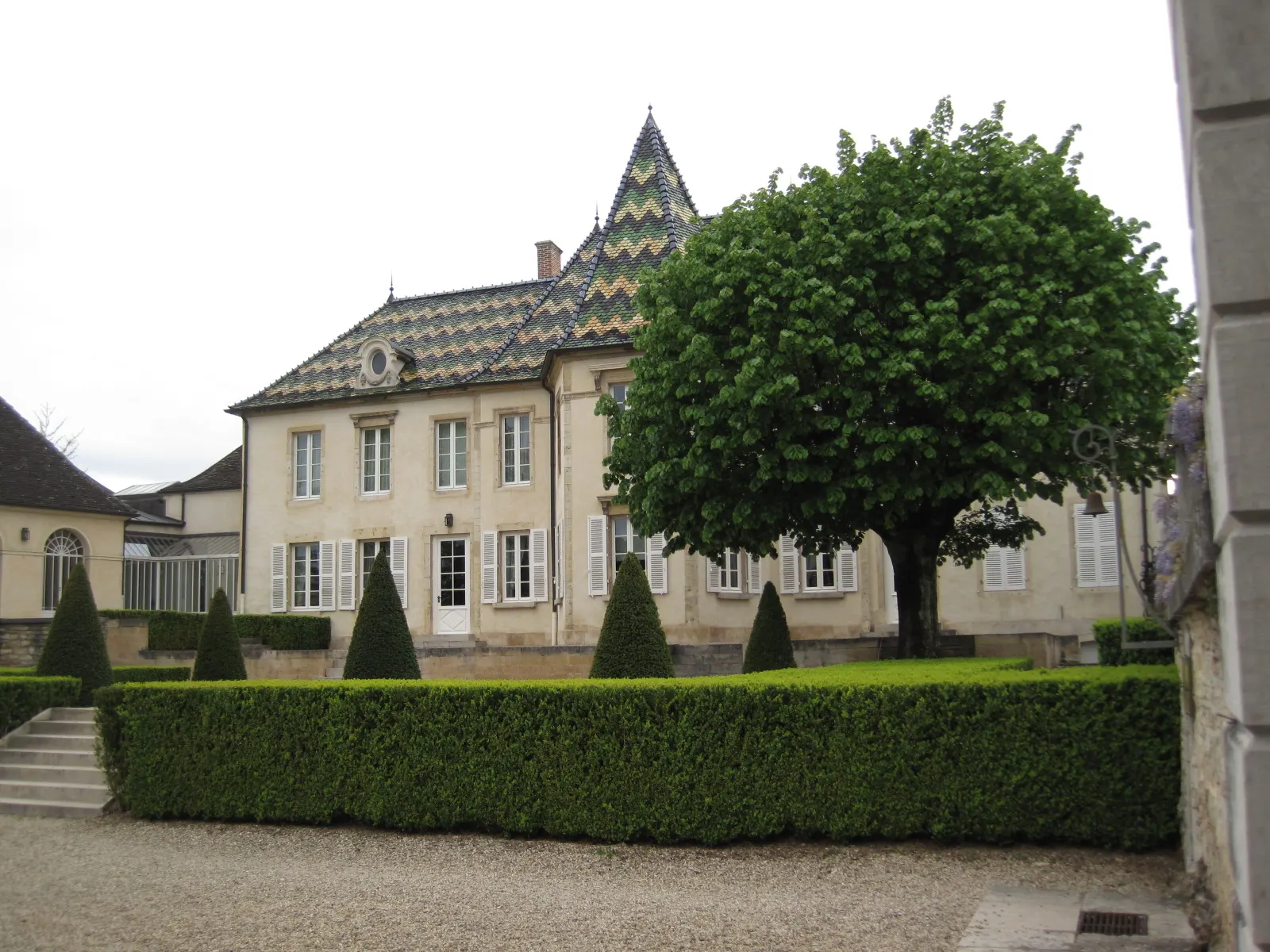
The glazed tile roofs of the Hôtel-Dieu in Beaune
Photo: Jebulon, Public domain

At a glance

Location In Beaune
See it on the full map

Getting there

Coming by train or plane? Transfers from stations and airports →

About the place

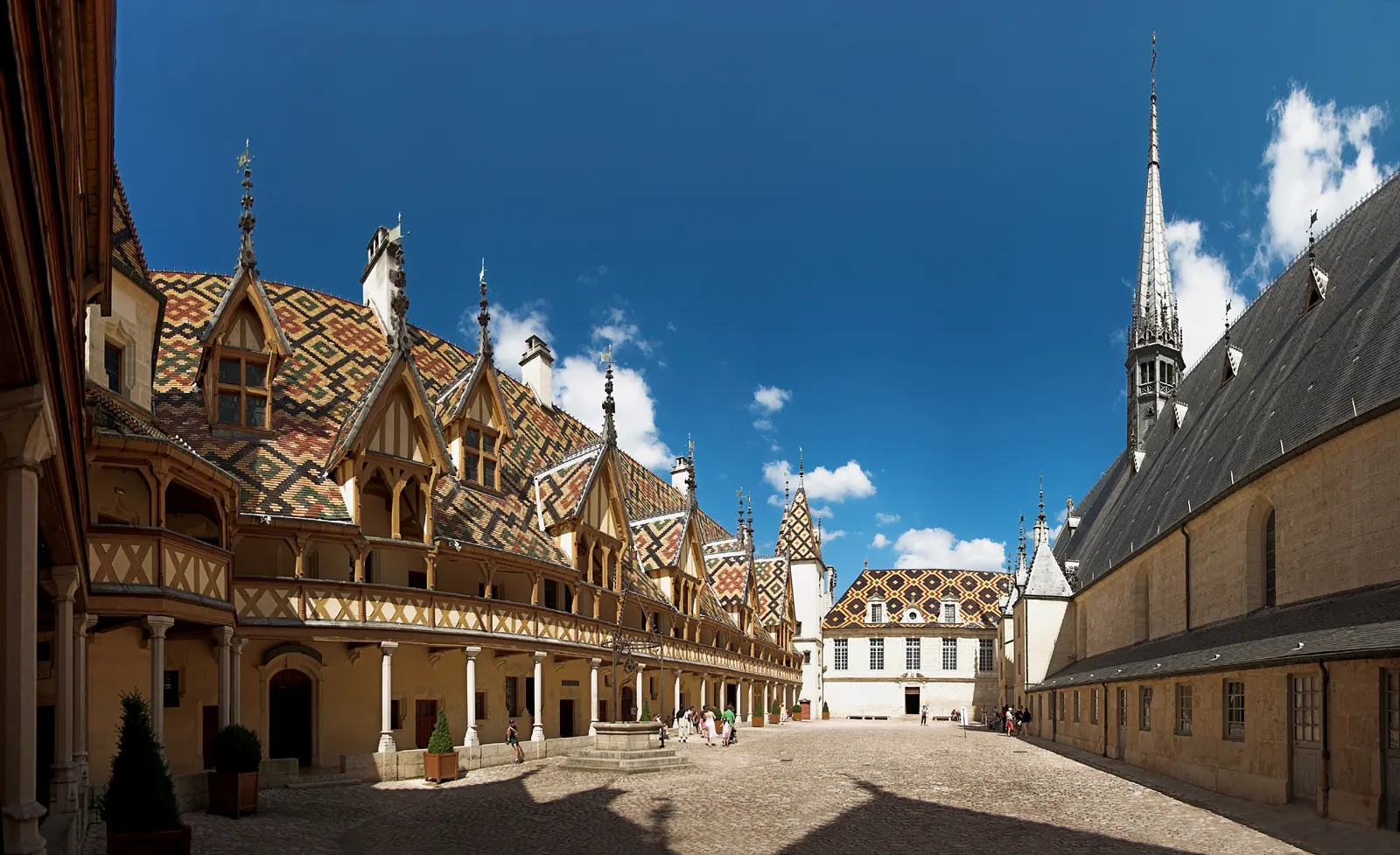
The Hôtel-Dieu is the building most people picture when they think of Beaune. It was founded in 1443 as a hospital for the poor and cared for patients until the early 1970s. Today it is a museum, with its great ward, pharmacy, kitchen and a courtyard framed by multicoloured glazed roofs.

What you will see

The visit follows the old hospital room by room. You start in the Cour d'Honneur under the patterned roofs, then enter the Grande Salle des Pôvres, 50 metres long, where painted dragons appear to spit out the cross-beams. Further on come the Saint-Hugues room with its 17th-century murals, the kitchen with a roasting spit of 1698, and the pharmacy with 130 faience pots dated 1782. Tapestries woven in Tournai and Brussels hang in the Salle Saint-Louis.

History

Nicolas Rolin, chancellor to Duke Philip the Good of Burgundy, founded the hospital in 1443 with his wife Guigone de Salins. It was the time of the Hundred Years' War, and the museum notes that poverty and famine then touched three quarters of Beaune's people. Rolin wanted a palace for the poor. The great ward, the Grande Salle des Pôvres, was inaugurated in 1452, and the care of the sick was entrusted to a community of nursing sisters.

The hospital kept working for more than five centuries. Services moved gradually to the new Philippe le Bon hospital from 1971, and the whole site was given over to visitors in 1988. It has been listed as a historic monument since 1862. The great ward was restored from 1875 by Maurice Ouradou, son-in-law of Viollet-le-Duc, who recreated its medieval-style furniture, including the rows of beds you see today.

Wine has always helped to fund the hospital. Over the centuries, benefactors gave vineyards to the Hospices. The estate now covers about 60 hectares, and its wines are sold at a charity auction each November. Rolin also commissioned the Last Judgment altarpiece from the Flemish painter Rogier van der Weyden. Made of nine oak panels and painted around 1445 to 1450, it once stood on the altar of the chapel in the great ward.
Planning your visit

Opening hours and tickets

Opening hours
  • 1 April to 15 November: every day, 9:00 to 19:30
  • 16 November to 31 March: every day, 9:00 to 12:30 and 14:00 to 18:30
Admission
Adults €12.50, reduced €9.50
Booking
Not needed

Ticket sales stop one hour before closing, and on 1 January and 25 December the Hôtel-Dieu opens from 14:00 to 18:30 only.

Checked on on the official site⁠.

Tips for your visit

Allow one and a half to two hours. Mornings and late afternoons are usually calmer, and booking online saves queuing in high season. The Last Judgment altarpiece is part of a long study and restoration programme, so check what is on show. Afterwards, cross to the covered market opposite.

Around here

What to combine with Hospices de Beaune (Hôtel-Dieu) on the same day, nearest first.

Questions

For the visit, allow 1.5 to 2 hours.

Did you know? When Louis XIV visited in 1658, he was shocked that men and women were nursed side by side in the Saint-Nicolas ward. He granted the hospital 500 livres a year so they could be separated.

Sources

From Hospices de Beaune (Hôtel-Dieu) into the vineyards

Half-day wine tour from Beaune: €290 for the car, up to 4 guests

Book